
Feeding a selective child every day is probably one of the most difficult issues parents encounter. Whether it’s in a rush during breakfast, hungry after school, or arguing at the dinner table, finding foods that not only contain nutrients but also get eaten by kids is tough. Healthy meal prep ideas for picky eaters provide an answer through healthy options that are familiar to children and do not require any effort every day.
Many parents also struggle with planning balanced dinners that kids will actually eat. If you also need more simple family meal inspiration, you can explore these easy dinner ideas for picky eaters on Cooking Nations. In the following guide, we present 35 useful and nutritious meal-prepping solutions that involve breakfast, lunch, dinner, and snack ideas that are practical for busy families and enjoyable for picky eaters.
| In This Guide You Will Find | |
|---|---|
| Healthy breakfast meal prep ideas | Easy make-ahead breakfasts picky eaters enjoy |
| Kid-friendly lunch recipes | School lunch ideas that stay fresh and tasty |
| Easy dinner meal prep ideas | Simple family dinners for busy weekdays |
| Healthy snack ideas | Grab-and-go snacks for picky kids |
| Freezer-friendly meals | Meals you can store and reheat later |
| High-protein foods for kids | Protein-rich meal prep options for growth |
| Vegetarian meal prep ideas | Meat-free recipes kids will actually eat |
| Tips for introducing new foods | Practical ways to reduce picky eating |
| Meal prep storage tips | Best ways to store meals and snacks |
| Common meal prep mistakes | What parents should avoid during prep |
| 7-day meal prep plan | A complete weekly meal schedule |
| FAQ answers for parents | Solutions to common picky eater problems |
But meal planning is much more than an activity designed to save time. For parents with picky eaters, this habit alters the relationship that their children develop towards food altogether, as children will find consistency and thus security at the dining table, thanks to the planning done by their parents.
Picky eaters typically have an adverse reaction towards unfamiliar foods when these are suddenly offered without prior preparation or build-up. Cooking food beforehand eliminates the stress of cooking food right there and then. There is also no need to serve food that may be foreign to the kid because of a lack of time and options.
Consistency is an important factor when it comes to the acceptance of foods in young kids. Many studies conducted on pediatric nutrition indicate that when kids are repeatedly exposed to a particular food, even when they do not eat it each time, there will be an increase in the chance of them accepting the food at some point. When foods are regularly prepared each week, kids can be repeatedly introduced to many different foods without much pressure.
On a hectic weekday, the easiest option is often not the healthiest one. When nutritious meals are already made and ready to heat, parents do not have to choose between speed and quality. Meal prep for busy parents bridges this gap by putting wholesome food within arm’s reach every day of the week, regardless of how little time is available.
Purchasing supplies in large quantities throughout the week cuts down on unnecessary shopping trips and the possibility of excess supplies lying around. Proper portioning, planning, and preparation before the cooking period leaves fewer instances where you will be left guessing about the ingredients. This helps in dealing with the grocery budget and feeding the kids appropriately.
Choosing the right foods to include in a prep session is the foundation of success. Not every healthy food will work for every child, but there are categories that tend to perform well across most picky palates.
Proteins are essential for proper growth, mental development, and energy production in kids. Some examples of food items that are very easy to cook in bulk quantity and which will be acceptable by kids in their traditional forms include eggs, chicken, ground turkey, Greek yogurt, and mild white fish. The eggs can be prepared in the form of egg muffins, while the chicken can be chopped and mixed with rice or pasta.
Not all carbohydrates are equal. For healthy kids’ meal prep, whole grain pasta, brown rice, oats, sweet potatoes, and quinoa provide sustained energy and fiber without the sugar spikes that come from refined foods. These options are neutral in flavor and pair well with sauces, cheese, and other ingredients that children already enjoy, making them easy to incorporate into accepted meals.
Vegetable consumption in picky eaters proves difficult for parents when trying to feed their children properly. It all comes down to presentation and inclusion. The trick with vegetables is to include them without them being noticed. This can mean blending vegetables into sauce form, grating carrots for muffin recipes, or even mixing spinach with some cheese in a pocket. Children usually accept fruit better than vegetables, making them a good choice as a natural sugar in breakfast foods or even as stand-alone snacks.
Cheese, yogurt, cottage cheese, and dairy sauces are all great choices for picky eaters and very good sources of calcium and protein. Dairy products can form the basis for many meal-prep recipes such as yogurt parfaits and cheese dishes, which can provide nutrition in a form that most kids will love.
Especially young children tend to respond favorably to finger foods that allow them to feel a sense of empowerment regarding their eating habits. This is especially true of selective feeders who are likely to have a negative reaction to being force-fed. Foods such as mini-muffins, nuggets, bites, patties, and snacks are perfect finger foods.
Breakfast is often the most rushed meal of the day. Having prep-ready morning options means children start the day with real food rather than a quick package of something with little nutritional value. These healthy breakfast ideas for picky eaters can all be made ahead and stored in the fridge or freezer.
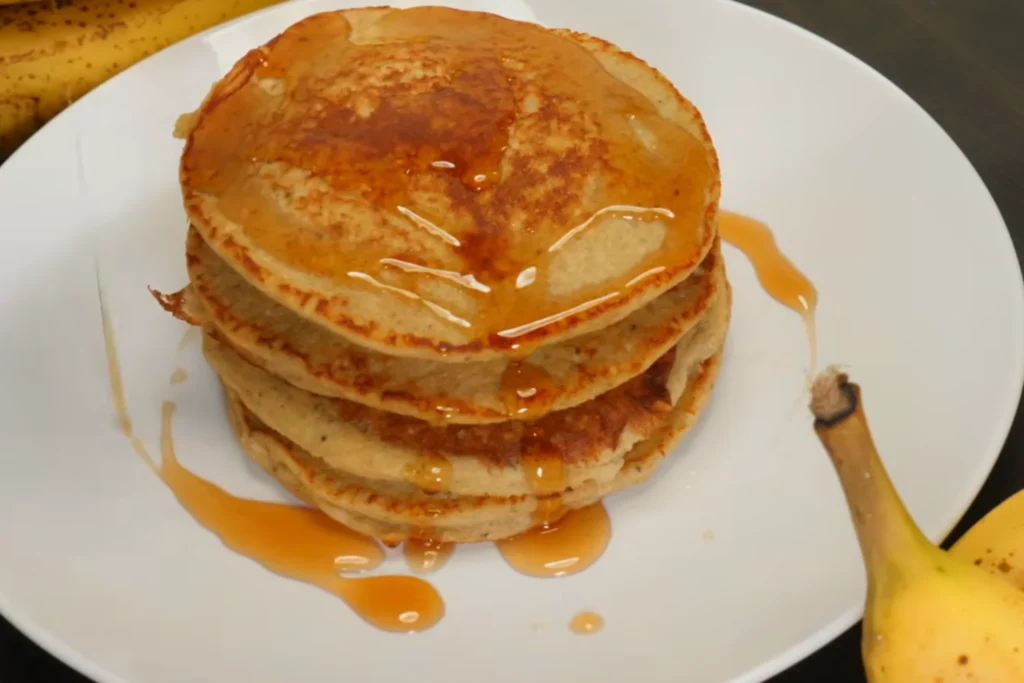
Banana oat pancakes can be an easy choice for those parents who are very busy taking care of their little ones but don’t want to give up nutritious food. These pancakes are soft, tasty, and consist of very easy-to-make ingredients that we all have at home. Different from the pancakes full of refined flour and sugar, these pancakes include only ripe bananas and oats in order to create something tasty and healthy.
The pancakes are soft and lightweight, making them particularly suitable for the kids who are not fond of heavy food. Due to the fact that bananas contain natural sugar, the kids won’t require additional syrup for the pancakes. Moreover, these pancakes are very convenient in terms of preparing them beforehand since they can be frozen and reheated quickly.
1 ripe banana
1 cup rolled oats
2 eggs
1 teaspoon baking powder
1 teaspoon vanilla extract
1 pinch cinnamon
2 to 3 tablespoons milk
Blend the oats in a blender until they are crushed into a flour-like consistency. Next, add the mashed bananas, eggs, baking soda, vanilla extract, cinnamon, and milk to the blender. Blend again until the batter is well mixed and smooth.
Grease a non-stick frying pan over medium heat with some butter or oil. Pour batter into the frying pan in small amounts and cook for two minutes or until bubbles start forming on the batter. Turn the pancakes over to cook the other side until golden brown.
Let the pancakes cool down a little bit before serving. To prepare them for storage, separate each pancake with a layer of parchment paper and put them in an airtight container or freezer bag.
These pancakes stay fresh in the refrigerator for up to four days. They can also be frozen for up to two months. Reheat them in a toaster, microwave, or warm skillet before serving.
If you use ripe bananas in cooking pancakes, the taste is going to be even sweeter, and the texture will be even softer, which will be more preferable to your kid. In case your kid likes to have something chocolate-flavored, you may add several small pieces of chocolate to give pancakes additional taste without adding excessive sugar.
Bananas and oat pancakes have a similar flavor compared to regular pancakes but contain additional nutrients such as fiber, proteins, and sugars naturally. These pancakes are easy to grasp and chew and are therefore not challenging for picky eaters to eat. Additionally, parents like making a whole batch before the week begins, giving them ready pancakes for the entire week.
If you want to watch the full practical recipe step by step, you can watch this YouTube tutorial:
Banana Oat Pancakes Recipe Video

Egg muffin cups are one of the most practical breakfast options for busy mornings, especially when feeding picky eaters. They are soft, cheesy, easy to hold, and packed with protein that helps kids stay full longer during school or activities. Since they are baked in muffin tins, each portion is perfectly sized for children and simple to store for meal prep throughout the week.
One of the best things about egg muffin cups is how customizable they are. Parents can make different flavors in the same batch using ingredients their children already enjoy. Some kids prefer cheese only, while others may like small pieces of chicken, turkey, or finely chopped vegetables mixed into the eggs.
6 large eggs
1/4 cup milk
1/2 cup shredded cheese
1/4 cup finely diced bell peppers
1/4 cup cooked chicken or turkey pieces
Salt to taste
Black pepper to taste
Butter or oil for greasing muffin tray
Preheat the oven to 350°F and lightly grease a muffin tin so the egg cups do not stick during baking.
Crack the eggs into a large bowl and whisk them until smooth. Add milk, salt, and black pepper, then mix again until fully combined. Stir in shredded cheese, diced vegetables, and cooked chicken or turkey pieces.
Pour the mixture evenly into the muffin cups, filling each one about three quarters full because the eggs will rise slightly while baking.
Bake for around 18 to 22 minutes until the tops are firm and lightly golden. Remove from the oven and allow them to cool for a few minutes before taking them out of the tray.
Serve warm or allow them to cool completely before storing for meal prep.
Egg muffin cups can be stored in an airtight container in the refrigerator for up to five days. Reheat them in the microwave for about 20 to 30 seconds before serving. They can also be frozen and reheated later for quick breakfasts.
Using finely chopped vegetables helps them blend into the eggs without creating large textures that some children dislike. Cheese also makes the flavor milder and more familiar for selective eaters. Silicone muffin trays work especially well because the egg cups release easily and keep their shape.
Kids enjoy egg muffin cups because they are soft, cheesy, and easy to eat with their hands. The small size feels fun and snack-like rather than a large breakfast plate. Parents love them because they are nutritious, high in protein, and easy to prepare ahead for several days.
If you want to watch the complete practical recipe step by step, you can watch this video tutorial:
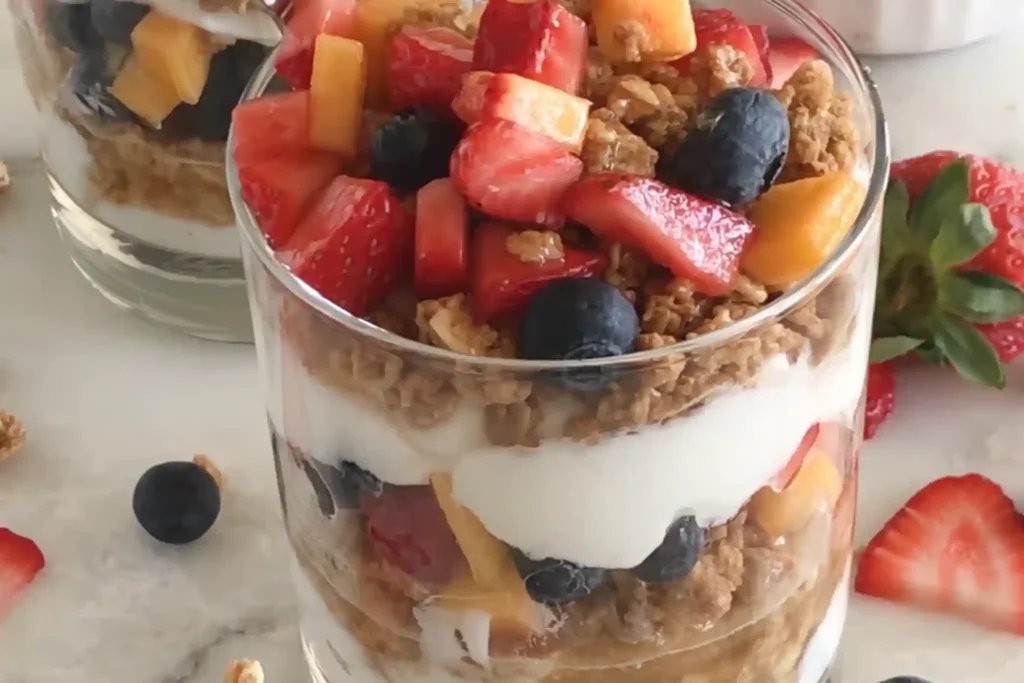
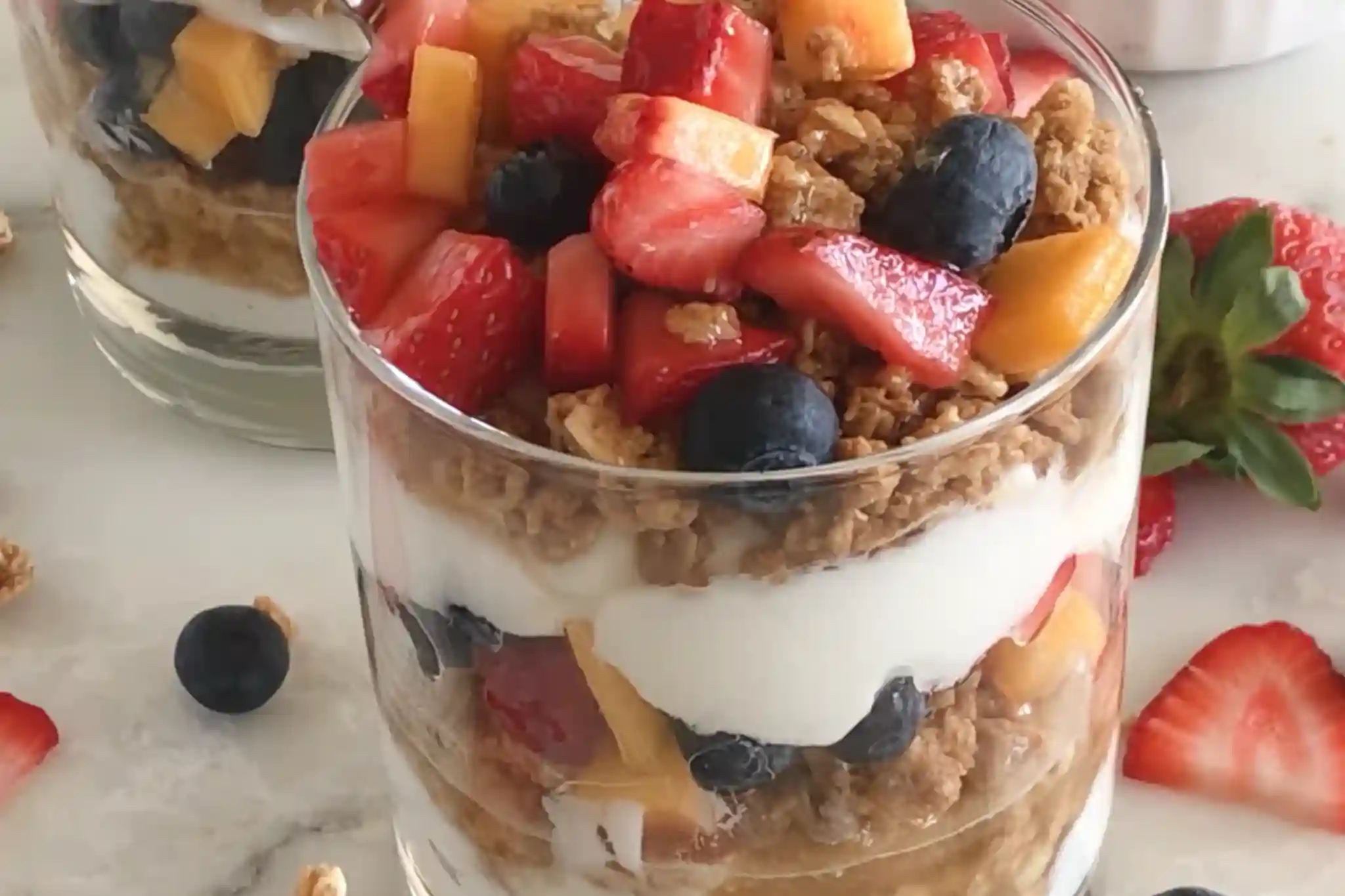
Yogurt berry parfaits are one of the easiest breakfast options for families looking for healthy meal prep ideas for picky eaters. They are creamy, naturally sweet, colorful, and packed with nutrients that help children stay full and energized throughout the morning. Since the ingredients are soft and easy to customize, these parfaits are usually accepted even by children who are selective about textures and flavors.
One of the best things about yogurt berry parfaits is how flexible they are. Parents can use different fruits, yogurts, and toppings depending on what their children enjoy most. Some kids may prefer strawberries and bananas, while others enjoy blueberries with crunchy granola layered on top.
2 cups plain or vanilla Greek yogurt
1 cup fresh strawberries sliced
1/2 cup blueberries
1/2 cup raspberries or blackberries
1/2 cup granola
1 tablespoon honey optional
Small mason jars or meal prep cups
Start by washing and preparing all the berries. Slice larger fruits like strawberries into smaller bite sized pieces so they are easier for children to eat.
Take a jar or meal prep cup and add a layer of Greek yogurt at the bottom. Add a small layer of mixed berries over the yogurt, then sprinkle a little granola on top.
Repeat the layers until the container is full. Finish with a few berries and a small amount of granola on top for extra texture and color.
If you prefer a sweeter flavor, drizzle a little honey between the layers before sealing the jars.
Place the parfaits in the refrigerator until ready to serve.
Yogurt berry parfaits can be stored in the refrigerator for up to three days. For the best texture, keep the granola separate and add it just before serving so it stays crunchy.
Children who dislike mixed textures may prefer each ingredient packed separately so they can build their own parfait. Using sweeter fruits like strawberries or bananas can also help picky eaters enjoy plain Greek yogurt more easily.
Kids enjoy yogurt berry parfaits because they taste naturally sweet and look colorful and fun. The creamy yogurt, juicy berries, and crunchy granola create different textures that make breakfast feel more exciting while still being healthy and filling.
If you want to watch the complete practical recipe step by step, you can watch this video tutorial:
Yogurt Berry Parfaits Recipe Video
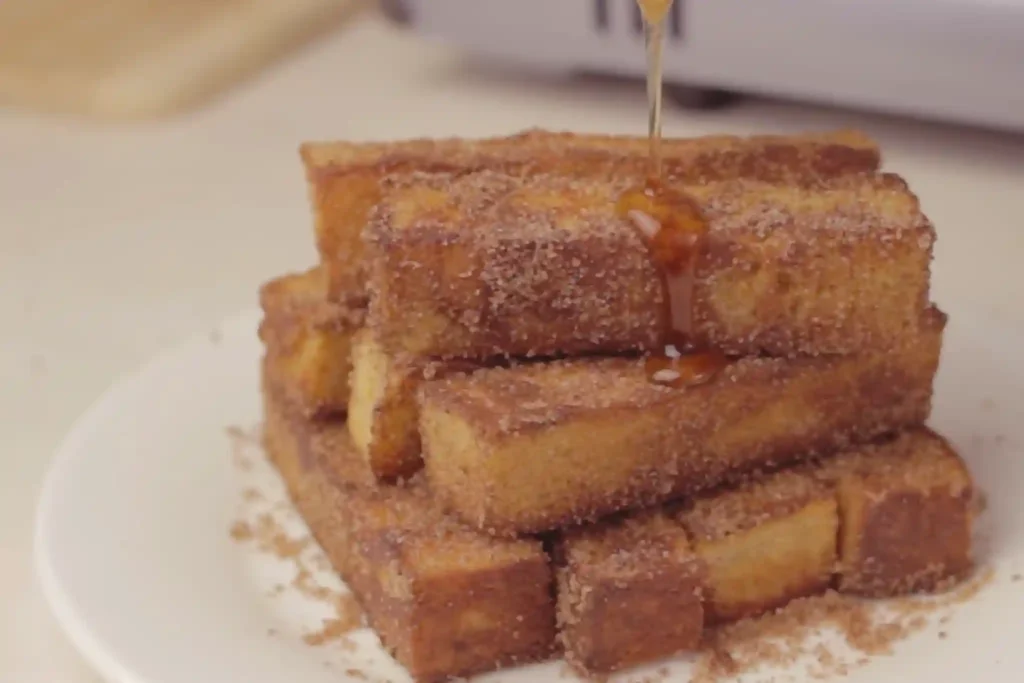
Mini French toast sticks are one of the most kid-friendly breakfast options for busy mornings. They are soft on the inside, lightly crispy on the outside, and naturally sweet with a touch of cinnamon flavor that children enjoy. Since they are cut into small finger-sized pieces, kids can easily hold and dip them without making a mess, which makes them especially helpful for picky eaters and toddlers.
These French toast sticks are made by dipping bread strips into a simple egg and milk mixture before cooking them until golden brown. They feel fun and snack like for children while still providing protein, calcium, and carbohydrates for energy during the day. Parents also love them because they freeze well and reheat quickly whenever breakfast is needed fast.
6 slices thick bread
2 large eggs
1/2 cup milk
1 teaspoon cinnamon
1 teaspoon vanilla extract
1 tablespoon butter
Maple syrup or yogurt for serving
Start by cutting each bread slice into thick strips so they resemble sticks that are easy for children to hold.
In a mixing bowl, whisk together the eggs, milk, cinnamon, and vanilla extract until smooth and fully combined.
Dip each bread stick into the egg mixture for a few seconds so it absorbs the liquid without becoming too soft.
Heat a pan over medium heat and melt the butter. Place the bread sticks into the pan and cook for about two to three minutes on each side until golden brown and lightly crispy.
Remove the French toast sticks from the pan and allow them to cool slightly before serving.
Serve warm with a small side of maple syrup, honey, or yogurt for dipping.
Mini French toast sticks can be stored in the refrigerator for up to four days in an airtight container. They also freeze very well for meal prep. Reheat them in a toaster, oven, or air fryer for the best texture.
Using soft bread like brioche or sandwich bread makes the texture more appealing for selective eaters. A light sprinkle of cinnamon adds flavor without making the recipe too strong. Cutting them into smaller pieces also helps children feel more comfortable trying them.
Kids enjoy mini French toast sticks because they are sweet, soft, easy to dip, and fun to eat with their hands. The small stick shape feels different from regular toast and makes breakfast more exciting while still being simple and familiar.
If you want to watch the complete practical recipe step by step, you can watch this video tutorial:
Mini French Toast Sticks Recipe Video
Adding canned pumpkin puree to a basic waffle batter boosts fiber and vitamin A without significantly changing the flavor or texture most children expect from a waffle. Pumpkin waffles freeze flat and can be reheated directly in a toaster. The warm spice notes from cinnamon and nutmeg make these taste like a treat, not a health food.
Corn pancakes made with whole-grain flour and blended corn kernels have a naturally mild sweetness that many children enjoy. They are slightly heartier than regular pancakes and hold up well in the fridge for several days. Served with a small amount of butter or a smear of cream cheese, they make a satisfying breakfast that is easy to prepare in large batches.
Muffins made with whole wheat flour, grated apple, and cinnamon are a classic prep-friendly breakfast. The grated apple disappears into the batter during baking, adding moisture and natural sweetness. These muffins store in an airtight container for up to four days at room temperature or can be frozen for longer storage. They are portable, mess-free, and consistently accepted by picky eaters.
A whole wheat tortilla spread with natural peanut butter and wrapped around a banana is one of the simplest make-ahead breakfasts. Cut into rounds, the wraps resemble bite-sized rolls that are visually appealing to children. For nut-free households, sunflower seed butter works as an effective substitute. These are best assembled the night before and stored in the refrigerator.
Overnight oats are made by combining rolled oats with milk or a milk alternative and leaving them to soak overnight in the refrigerator. By morning, they have softened into a creamy, ready-to-eat porridge. Adding mashed banana, a spoonful of peanut butter, or a handful of berries boosts flavor and nutrition. They can be prepped in bulk across several jars for the entire week.
Thick slices of whole grain bread topped with cottage cheese and a sliced strawberry or a drizzle of honey make a quick, high-protein breakfast with minimal prep. The cottage cheese can be blended smooth for children who are sensitive to curds. Prepared components can be refrigerated separately and assembled in under a minute on busy mornings.
Lunch is often eaten away from home, at school or daycare, which means it needs to be practical, portable, and acceptable to a child eating without parental guidance. These healthy lunch ideas for picky eaters are designed to travel well and remain appealing after several hours.
Cooked brown rice topped with shredded or diced chicken and a mild sauce is a reliably accepted combination for many children. The rice absorbs flavor without overwhelming texture-sensitive children, and chicken is a familiar protein that most picky eaters will eat when prepared simply. Portioned into containers with a small side of corn or peas, chicken rice bowls are a complete, balanced lunch.
Pasta mixed with finely blended vegetables, olive oil, and a light tomato or cheese sauce can be portioned into small cups or containers. The key is blending the sauce thoroughly so that vegetables are fully incorporated and undetectable. Using shaped pasta like stars, animals, or spirals adds a visual element that many children find appealing.
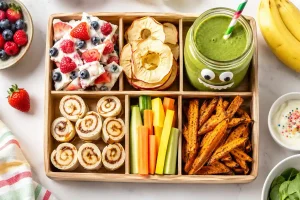
Bento boxes work particularly well for picky eaters because they separate different foods and allow children to eat each item independently. A well-assembled bento might include whole grain crackers, a portion of cheese, sliced cucumber, a few grapes, and a small serving of hummus. The variety means a child who refuses one component still has other items to eat, reducing the chance of coming home hungry.
Whole wheat tortillas rolled with sliced turkey, cream cheese, and a thin layer of shredded lettuce or spinach create a portable, sliceable lunch. The rolling conceals the vegetables within the wrap, and the cream cheese binds everything together while adding a mild, acceptable flavor. Cut into rounds before packing, turkey pinwheels are easy to eat and hold up well in a lunchbox.
Roasted chickpeas tossed with a small amount of olive oil and mild spice, then wrapped in a tortilla with shredded cheese and a simple sauce, make a plant-based lunch that is satisfying and crunchy. For children who resist beans, the crispy texture of roasted chickpeas often makes them more acceptable than their soft, cooked counterparts. These wraps can be prepped and refrigerated for two days without losing structure.
Homemade macaroni and cheese made with a sauce base of pureed butternut squash or cauliflower delivers the creamy, cheesy experience children expect while adding vegetable nutrition without detectability. The orange color of squash-based sauce closely resembles standard cheese sauce. Portioned into containers, this is one of the most consistently kid-approved meals in any prep rotation.
Using a nori sheet, cooked rice, and simple fillings like cream cheese and cucumber or avocado and cooked chicken, homemade sushi rolls can be assembled ahead of time and cut into bite-sized rounds. The visual novelty of sushi is often enough to make picky eaters curious and willing to try. These work best when prepared the day before and stored in the fridge.
Whole wheat tortillas filled with pizza sauce, shredded mozzarella, and optionally finely diced vegetables cook quickly in a pan or oven. Sliced into triangles, they closely resemble pizza and are enthusiastically accepted by most children. They reheat well in a microwave and can be wrapped individually for lunchboxes.
Small soft rolls filled with simple combinations, such as turkey and cheese, egg salad, or tuna with mayo, are easy to prep in batches and wrap individually. Keeping fillings mild and familiar ensures acceptance. For added nutrition, a layer of mashed avocado or cream cheese adds healthy fat without visible vegetables. Sliders are satisfying, portable, and can be prepped the night before.
Cooked quinoa mixed with corn, peas, finely diced bell pepper, and a drizzle of olive oil or mild vinaigrette makes a nutritionally dense lunch that is mild in flavor. Quinoa is a complete protein and a good alternative to rice for variety. For children new to quinoa, mixing it with rice at first helps ease the transition before transitioning fully to a quinoa base.
Dinner is often where mealtime conflict peaks for families with picky eaters. Having prep-ready dinner options reduces decision fatigue and ensures a hot, wholesome meal is never more than a few minutes away. These easy dinner ideas for picky eaters are designed to reheat well and appeal to selective palates.
Ground turkey mixed with finely grated zucchini, breadcrumbs, egg, and a mild seasoning bakes into individual muffin tin portions. These mini meatloafs cook faster than a full loaf, portion perfectly, and reheat without drying out when covered. A small amount of ketchup or tomato sauce on top during baking adds a familiar flavor that increases acceptance.
Rice noodles or whole wheat spaghetti cooked with a mild stir fry sauce, thinly sliced carrots, peas, and a protein like chicken or tofu make a versatile dinner. The key for picky eaters is keeping the sauce simple and not too strong. Soy sauce, a small amount of sesame oil, and a touch of honey create a mild, slightly sweet flavor profile that most children accept. This dish reheats well with a splash of water to loosen the noodles.
Ground turkey or beef cooked with onion, peas, and corn in a light gravy, topped with a layer of smooth mashed potato, then baked in individual ramekins or muffin cups, creates a complete and comforting dinner. The mashed potato topping makes this visually appealing and familiar. Portioned into single servings, shepherd pie cups are easy to refrigerate and reheat.
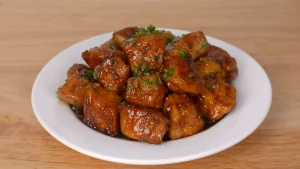
Chicken breast cut into bite-sized pieces, dipped in egg, and coated in whole grain breadcrumbs before baking delivers the nugget experience children love without the additives and oils of store-bought versions. Baked at a high temperature, they develop a satisfying crunch. Prepped in large batches, homemade chicken nuggets freeze well and can be reheated in the oven or air fryer in under fifteen minutes.
Ground beef or turkey meatballs rolled and baked in batches pair with whole grain pasta and a simple tomato sauce for a familiar dinner that most picky eaters accept readily. Meatballs freeze exceptionally well and can be added to pasta, served with a side of rice, or eaten on their own with a dipping sauce. Making them smaller than traditional meatballs improves their appeal to young children.
Canned tuna or cooked salmon mixed with mashed potato, egg, and mild seasoning forms a fish cake that can be shaped into small rounds and pan-fried or baked. Fish cakes have a mild flavor and soft interior that tend to be more acceptable to children than whole pieces of fish. They refrigerate for three days and reheat well in a pan or oven. Serving them with a mild dipping sauce, such as ketchup or yogurt-based dip, increases palatability.
Cooked and lightly mashed beans, combined with breadcrumbs, egg, grated onion, and seasoning, form firm patties that bake or pan-fry into a satisfying plant-based dinner. For picky eaters wary of beans, the patty format conceals the whole bean texture while retaining the nutritional benefits. These work well in a slider roll or served alongside mashed potatoes.
Whole wheat dough filled with a mixture of ricotta cheese and finely chopped spinach, then folded and baked into small sealed pockets, creates a kid-friendly dinner that looks like a pastry but delivers a nutritious filling. The cheese flavor dominates, making the spinach nearly imperceptible. These freeze flat and reheat directly in the oven.
Firm tofu pressed, cut into pieces, marinated briefly in soy sauce and a little garlic powder, then coated in breadcrumbs and baked, produces a plant-based nugget that is crispy on the outside and soft inside. For children in vegetarian or vegan households who are skeptical of tofu, this is often the most effective entry point. They pair well with any mild dipping sauce and reheat best in an oven or air fryer.
Cooked and mashed cauliflower mixed with shredded cheese, egg, and a small amount of flour forms a mixture that can be shaped into small balls or patties and baked until golden. These resemble tater tots in appearance and have a mild, cheesy flavor. Served with ketchup or a yogurt dip, cauliflower bites are consistently one of the most accepted vegetable-based snacks for picky eaters.
Snacks are an important part of a child’s daily nutrition and are an opportunity to introduce variety in a low-pressure context. Healthy snacks for picky eaters should be simple, appealing, and ready to grab without extra preparation. These ideas prep well in advance and store without losing quality.
Blended cantaloupe or watermelon poured into ice pop molds and frozen creates a naturally sweet, hydrating snack that requires no added sugar. Frozen melon pops are especially popular during warm months and give children a treat-like experience backed by real fruit nutrition. They take minutes to prepare and keep in the freezer for weeks.
Mashed potato mixed with shredded cheddar, shaped into small balls, and baked until lightly golden on the outside are a crowd-pleasing snack. The exterior develops a gentle crispness while the interior stays soft. These can be refrigerated for four days and briefly reheated in an oven or air fryer to restore their texture.
Rolled oats, peanut butter, honey, and a handful of mini chocolate chips combined and shaped into small balls create no-bake energy bites that store in the fridge for up to a week. They are portable, require no heating, and provide a good balance of carbohydrates, healthy fat, and protein. The chocolate chips make them feel like a treat, which helps with acceptance.
Pre-portioned containers of washed and cut fruit, such as strawberries, blueberries, melon cubes, and grapes, make fruit the path of least resistance when a child reaches for a snack. Having fruit boxes ready in the fridge at eye level ensures children encounter them first. Variety across containers keeps the rotation interesting without requiring additional prep each day.
Cooked chickpeas blended with oat flour, cilantro, olive oil, and a mild spice blend, then pressed into a baking dish and cut into bars after cooking, create a savory, high-fiber snack. The bar format is familiar and easy to handle, making it more acceptable than loose chickpeas for many picky eaters. These store refrigerated for up to five days.
Whole grain crackers portioned with sliced or cubed cheese in a small container make one of the most reliable snacks for children across all age groups. The combination provides carbohydrates, protein, and fat in a simple, familiar format. Pre-assembling these packs at the start of the week removes the daily decision and makes snack time effortless.
Sliced apples paired with a small container of peanut butter or almond butter provide fiber, natural sugar, and protein in a snack that children consistently enjoy. Pre-slicing apples and storing them with a small amount of lemon juice prevents browning, making them ready to use throughout the week without preparation each day.
Carrot sticks, celery, cucumber slices, and bell pepper strips stored in individual containers with a small portion of hummus make a simple snack that introduces vegetables in a dipping format. Dipping is one of the most effective ways to increase vegetable acceptance in picky eaters. Pre-portioned hummus ensures the right amount without waste.
Whole grain mini muffins in flavors like banana, blueberry, or carrot can be baked in large batches and stored in an airtight container. Mini size makes them feel snack-appropriate rather than meal-sized. Using a base recipe with whole wheat flour, mashed fruit, and minimal sugar keeps them nutritious while keeping the texture children expect from a muffin.
Pre-portioned bags of frozen fruit, leafy greens like spinach, and other add-ins like flax seed or oats can be assembled in bulk and stored in the freezer. Each morning, the contents of one bag are added directly to a blender with milk or yogurt for a quick smoothie. Spinach blended with mango or banana becomes invisible in color and flavor, making it one of the most effective ways to add greens to a picky eater’s diet.
A well-stocked freezer is one of the most powerful tools for families managing picky eaters. Freezer friendly meals for kids extend the value of a single prep session across several weeks and provide reliable options on days when there is no time to cook.
Scrambled eggs, shredded cheese, and optionally small pieces of turkey or mild vegetables wrapped in a whole wheat tortilla and individually foil-wrapped freeze exceptionally well. To reheat, remove the foil, wrap in a damp paper towel, and microwave for two minutes. Breakfast burritos are filling, high in protein, and can be customized per child before freezing.
Homemade waffles made with whole grain flour and no added sugar can be cooked in a large batch, cooled on a wire rack, and frozen flat. Once frozen, stack them in a zip-lock bag. They reheat directly in a toaster in minutes and can be paired with fruit or a small amount of peanut butter for a complete breakfast.
Pureed vegetable soups, such as carrot and ginger, sweet potato, or butternut squash, can be frozen in silicone ice cube trays and then transferred to freezer bags once solid. Each cube is a portion that reheats in a small saucepan in minutes. Pureed soups work particularly well for picky eaters because the smooth texture eliminates any aversion to vegetable pieces.
As covered in the dinner section, homemade chicken or tofu nuggets freeze flat on a baking sheet before being transferred to a container. This prevents them from sticking together and allows for individual portions to be removed as needed. Reheating in a hot oven or air fryer restores their crunch within minutes.
Baked meatballs are among the most versatile items to keep in the freezer. They can be added to pasta with sauce, served with rice, or heated and served with a dipping sauce as a protein snack. Freezing them flat before bagging prevents clumping. A batch of fifty meatballs takes about thirty minutes to assemble and bake and provides multiple dinners worth of protein.
Pancakes freeze and reheat better than most people expect. Cooked pancakes cooled and layered between parchment paper can be stored in a freezer bag for up to two months. In the morning, two or three go directly into the toaster or microwave. For picky eaters, having a consistent, beloved breakfast always available reduces morning conflicts.
For households that avoid meat, or for expanding a child’s palate beyond animal protein, these vegetarian meals for picky eaters provide nutrition and variety in formats most children accept.
Whole wheat tortillas filled with black beans, corn, shredded cheese, and finely diced bell pepper cook in minutes and portion easily. The melted cheese binds the filling and creates a familiar, satisfying meal. These reheat well in a pan to restore crispness, making them better than microwaving. Pre-assembling and refrigerating uncooked quesadillas allows for a fresh-cooked result with minimal preparation time.
Red lentils cooked until soft, then mashed and combined with oat flour, egg, and mild spice, form firm patties that bake or pan-fry well. Lentils are high in protein, iron, and fiber, making them one of the most nutritious bases for a plant-based meal. For picky eaters, a mild seasoning and a simple dipping sauce make these more accessible than they might initially appear.
Cooked quinoa served with roasted or steamed vegetables, a drizzle of olive oil, and a sprinkle of cheese creates a bowl meal that covers all macronutrient groups. The nutty, mild flavor of quinoa is a bridge between plain rice and more complex grains. Portioned into containers and refrigerated, quinoa bowls are ready to serve as a main meal or a hearty side dish.
Pancakes made with grated zucchini or carrot blended into a simple batter using whole wheat flour, egg, and milk are a savory alternative to sweet breakfast pancakes. They can be served with sour cream, yogurt, or ketchup and work well as a lunch or snack option in addition to breakfast. The pancake format is familiar and reliably accepted even when the ingredient list includes vegetables.
Roasted chickpeas wrapped with shredded cabbage, shredded cheese, and a mild yogurt-based sauce in a whole wheat tortilla deliver plant-based protein in a wrap format children enjoy. The crunchy texture of roasted chickpeas distinguishes this wrap from standard bean-based meals and often makes it more appealing. These wrap best when components are stored separately and assembled just before serving.
Adequate protein supports muscle development, immune function, brain development, and energy in growing children. Incorporating a reliable protein source into every meal and snack is a core principle of healthy meal prep for kids.
Eggs are among the most versatile, affordable, and nutrient-dense proteins available. Hard-boiled eggs prep in ten minutes and stay refrigerated for up to a week. They can be sliced onto toast, eaten as a standalone snack, or chopped into a salad or bowl. Scrambled eggs batch well for wraps and burritos. Baked into muffin cups, they become a portable breakfast or lunchbox addition.
Greek yogurt contains nearly twice the protein of regular yogurt. Portioned into small containers or used as a base for parfaits, dips, or smoothies, it is one of the easiest high-protein foods to include daily. For children who find plain Greek yogurt too tart, blending it with a small amount of honey and vanilla makes it far more palatable without significantly changing its nutritional profile.
Chicken breast or thighs cooked in a slow cooker or oven in bulk can be shredded and stored refrigerated for five days. Mild in flavor, chicken integrates seamlessly into rice bowls, wraps, pasta, and soup. For picky eaters, the texture of shredded chicken is less confronting than a whole piece, making it easier to incorporate into meals without resistance.
Ground turkey is a lean protein that works in meatballs, patties, stuffed cups, and skillet sauces. Its mild flavor makes it a versatile substitute for ground beef that is nutritionally leaner. Precooked ground turkey stores in the fridge for four days and freezes for up to three months, giving it exceptional meal prep longevity.
Canned tuna and canned salmon are ready-to-use proteins that require no cooking. Mixed into fish cakes, pasta, or simple spreads, they are practical and nutrient-dense. Fresh fish fillets can be baked in bulk and refrigerated for two days. Mild white fish such as cod or tilapia has a neutral flavor that is far less polarizing for children than stronger varieties like mackerel or sardines.
Firm tofu pressed and cubed or crumbled takes on the flavor of its marinade or seasoning, making it a highly adaptable plant-based protein. Baked tofu holds its shape and texture for three days in the fridge. For picky eaters, coating tofu in breadcrumbs and baking it into nuggets is the most effective format for introducing this protein source.
Beans including black beans, chickpeas, lentils, and kidney beans are high in protein, fiber, and iron. They work in patties, wraps, soups, and pasta sauces. Canned beans are fully cooked and require only rinsing before use. For picky eaters reluctant to eat visible beans, blending them into sauces or baking them into patties delivers the nutrition without the resistance.
Getting a picky eater to try new foods requires strategy, patience, and a good understanding of what drives food refusal in children. Pressure and conflict are counterproductive. The approaches below are grounded in developmental feeding research and practical parenting experience.
Placing a new food on the plate in a very small amount, even a single bite, reduces the psychological barrier of trying it. A large unfamiliar portion feels overwhelming to a child who is already uncertain. One piece of a new vegetable sitting alongside a familiar favorite is far less threatening. The goal is exposure, not consumption.
A new ingredient placed next to something a child already loves creates an association between the known comfort of the familiar and the presence of the new. Over time, repeated pairings build familiarity with the new food. For example, introducing a new vegetable beside a cheese-based dip or a preferred protein increases the chance the child will at least taste it.
Children respond to visual appeal in food in ways adults often underestimate. Using cookie cutters to shape sandwiches, cutting fruits into stars or hearts, or choosing pasta in animal shapes all increase the visual interest of a meal. Colorful foods, particularly fruits and vegetables, can be presented as a rainbow plate to engage a child’s curiosity.
Forcing or pressuring a child to eat a food they have refused creates a negative association that makes future acceptance harder, not easier. Feeding specialists consistently recommend a division of responsibility where the parent decides what is offered and the child decides whether and how much to eat. This framework reduces conflict and builds trust at the table.
Studies on food acceptance in children show that it can take between ten and fifteen exposures to a new food before a child accepts it. This means a single rejected trial is not a failed experiment. Continuing to include a refused food alongside accepted foods without pressure or comment is one of the most evidence-based strategies for expanding a picky eater’s diet over time.
Children who participate in preparing food are more likely to eat it. Simple tasks like washing vegetables, stirring batter, or assembling their own bento box give children a sense of ownership over their food. This connection between preparation and eating is one of the most reliable methods for increasing willingness to try unfamiliar ingredients.
Efficient meal prepping is about systems, not just recipes. These tips help parents get the most value out of a single prep session.
Doubling any recipe during the cooking process requires almost no extra effort and immediately creates a second meal. A batch of chicken cooked for dinner on Sunday provides the protein for lunch wraps throughout the week. A tray of muffins baked for breakfast serves as after-school snacks. Thinking in multiples rather than single servings is the most efficient shift a busy parent can make.
Sheet pan cooking, one-pot meals, and slow cooker recipes are the most efficient cooking methods for large batches. A single oven run with two sheet pans can produce roasted protein, roasted vegetables, and baked muffins simultaneously. Slow cookers work overnight or during the day without active monitoring. Combining these methods concentrates the effort into a single block of time.
Storing food correctly preserves quality and extends refrigerator life. Airtight containers prevent odor transfer and moisture loss. Portioning food into individual servings immediately after cooking eliminates the need to measure or divide later. Placing prepped food at eye level in the fridge increases the chance it gets used before expiry.
Any meal that freezes well should be made in a larger batch than needed and a portion reserved for the freezer. Even one or two extra servings per week builds a meaningful freezer reserve over a month. During particularly busy weeks, this reserve becomes essential for maintaining a healthy eating routine without cooking from scratch.
Labeling each container with the contents and the date it was prepared eliminates guessing and prevents food from being forgotten. Masking tape and a permanent marker work just as well as commercial labels. Organizing the fridge by meal type, grouping breakfasts, lunches, dinners, and snacks separately, makes it easy for anyone in the household to find and serve the right food.
Snacks are the most frequently needed and least planned part of a child’s diet. Setting aside thirty minutes per week specifically for snack prep produces portioned fruit boxes, energy bites, cheese and cracker packs, and veggie sticks that require no thought when a child is hungry. Having these ready reduces the impulse to reach for packaged or less nutritious alternatives.
The right containers make a significant difference in how long food stays fresh, how easy it is to transport, and how practical prep becomes day to day.
Glass containers with airtight lids are durable, non-toxic, and do not absorb odors or stains. They go from the refrigerator directly to the oven or microwave without transferring food to another dish. Although heavier than plastic, glass containers are long-lasting and maintain food quality better than most alternatives. They are particularly suitable for hot meals and acidic foods like tomato-based dishes.
Compartmentalized bento boxes keep different foods separated, which is particularly important for picky eaters who often refuse meals where foods touch. They come in various sizes to suit different ages and appetites. Many bento boxes are leakproof and designed for lunchboxes, making them practical for school days. Look for BPA-free versions with secure locking lids.
Silicone trays with individual portion cavities allow soups, sauces, purees, and soft foods to be frozen in precise portions and then transferred to freezer bags once solid. Their flexibility makes it easy to pop out frozen portions without cracking or breaking. Silicone is food-safe, easy to clean, and far more durable than standard ice cube trays.
Small, narrow containers designed specifically for snack portions are ideal for items like nuts, cheese cubes, hummus, or cut fruit. They fit neatly into lunch boxes and are sized to prevent over-portioning. Having a dedicated set of snack containers pre-filled at the start of the week speeds up every morning routine and reduces the chance of skipping snacks entirely.
Wide-mouth mason jars or purpose-designed leakproof jars work well for overnight oats, yogurt parfaits, and soups. They seal tightly enough for bag-free transport and are easy to clean. The vertical format of a jar also makes layering simple, which is ideal for parfaits where visual layering matters for child appeal.
Even well-intentioned meal prep can fall short if certain common errors are not addressed. Knowing what goes wrong helps parents set up a system that actually holds together through a full week.
Prepping more than can realistically be consumed before food expires leads to waste and discouragement. Start with three to four days worth of meals and assess what gets eaten before scaling up. Overestimating how much a picky eater will consume in a week is a very common first mistake that causes food to be thrown away and undermines the value of the effort invested.
Even a picky eater’s tolerance for repetition has limits. Rotating through a small variety of accepted recipes prevents menu fatigue and keeps mealtime from becoming a source of boredom or refusal. Introduce one new option alongside familiar favorites each week. Over time, this gradually expands the variety while keeping the overall rotation predictable enough to remain comfortable.
Storing food in containers that are not airtight, placing meals too far back in the fridge where they are forgotten, or failing to label containers with preparation dates all contribute to food spoilage and wasted prep effort. Investing fifteen minutes in proper storage at the end of a prep session preserves all the work done during cooking.
Presenting a child with multiple unfamiliar foods in a single meal, or introducing several new items in a single week, overwhelms even curious eaters and almost certainly overwhelms picky ones. Change one variable at a time. Introduce one new food per week and keep everything else familiar. This slow, low-pressure approach is far more effective than rapid variety changes.
Many picky eaters are more sensitive to texture than to flavor. A child who refuses mushy textures will not accept overcooked vegetables regardless of how they are seasoned. Paying attention to whether a child prefers crunchy, smooth, chewy, or soft textures and consistently preparing foods within their preferred texture range increases acceptance and reduces conflict. Texture preferences can be gradually expanded using the same slow exposure approach as flavor preferences.
This plan combines the recipes and ideas above into a structured week of meals. Prepare breakfasts, lunches, dinners, and snacks on Sunday and midweek Wednesday for freshness.
Breakfast: banana oat pancakes with a side of sliced strawberries. Lunch: turkey pinwheels with a small fruit snack box. Dinner: homemade chicken nuggets with mashed sweet potato. Snack: cheese and crackers pack with apple slices.
Breakfast: egg muffin cups with a small portion of yogurt. Lunch: chicken rice bowl with peas. Dinner: meatballs with whole wheat pasta and a mild tomato sauce. Snack: energy bites with a small glass of milk.
Breakfast: overnight oats with blueberries. Lunch: mac and cheese with hidden vegetables. Dinner: mini turkey meatloaf cups with steamed carrots. Snack: frozen melon pops.
Breakfast: pumpkin waffles with a drizzle of honey. Lunch: DIY bento box with whole grain crackers, cheese, cucumber, and grapes. Dinner: shepherd pie cups. Snack: apple peanut butter cups.
Breakfast: peanut butter banana wraps. Lunch: veggie pasta cups with a side of cherry tomatoes. Dinner: fish cakes with a yogurt dipping sauce and corn. Snack: veggie sticks with hummus.
Breakfast: apple cinnamon muffins with Greek yogurt. Lunch: pizza quesadillas with mild tomato dipping sauce. Dinner: spinach and cheese pockets with a side of roasted carrots. Snack: smoothie made from a freezer pack.
Breakfast: mini French toast sticks with a small side of fruit. Lunch: quinoa veggie bowl with shredded cheese. Dinner: cauliflower tater bites with baked bean patties. Snack: mini muffins with a fruit snack box.
The best healthy meals for picky eaters are those that use familiar formats, mild flavors, and textures the child already accepts while incorporating nutritious ingredients either visibly or through integration. Meals like homemade chicken nuggets, mac and cheese with hidden vegetables, meatballs with pasta, and DIY bento boxes consistently perform well across a wide range of picky eaters.
Start by identifying a short list of meals your child already accepts. Build your prep session around those accepted meals, then add one or two new options in small portions alongside familiar foods. Use batch cooking methods to prepare proteins, grains, and snacks simultaneously. Store everything in portioned, labeled containers for easy access throughout the week.
Yes. Picky eating does not have to mean poor nutrition. Many children who are selective about what they eat still consume adequate nutrients when their accepted foods are prepared with quality ingredients. Whole grain pasta, lean proteins, dairy, and fruit are all foods commonly accepted by picky eaters that provide solid nutritional value. The goal is to maximize nutrition within what a child already accepts while slowly expanding variety.
Snacks that work well for picky children are generally portable, familiar, and require no preparation at the time of eating. Energy bites, fruit snack boxes, cheese and crackers packs, apple peanut butter cups, and veggie sticks with hummus are all reliably accepted by most picky eaters and can be prepped in bulk at the start of the week.
Most prepped meals and snacks last three to five days in the fridge when stored in airtight containers. Items with higher moisture content, such as cut fruit or assembled wraps, are best consumed within two days. Hard-boiled eggs last up to a week. Soups and cooked grains last four to five days. Always check for freshness before serving.
Yes. Many child-friendly prep meals freeze very well. Pancakes, waffles, muffins, meatballs, nuggets, soup cubes, and breakfast burritos are all excellent freezer candidates. Most frozen items are best used within one to two months for optimal quality. Always cool food completely before freezing and store in airtight, labeled containers or bags.
The most effective approach is repeated, low-pressure exposure. Offer a small amount of the vegetable alongside foods your child already enjoys, without requiring them to eat it. Over time, familiarity reduces resistance. Incorporating vegetables into accepted formats, such as hidden in sauces, blended into smoothies, or grated into muffin batter, is another practical strategy that ensures nutritional intake even before the child accepts the vegetable in its whole form.
There are no foods a picky eater must categorically avoid in terms of nutrition. However, highly processed foods high in sodium, sugar, and artificial additives can reinforce selective eating patterns by providing intense flavors that make whole foods seem less appealing by comparison. Reducing reliance on heavily processed snacks and packaged meals helps calibrate a child’s palate toward milder, more varied whole food flavors over time.
Finding workable healthy meal prep ideas for picky eaters is not about tricking children or forcing them into a rigid diet. It is about building a system that consistently puts nourishing, acceptable food within reach, reduces stress for the whole family, and gently expands what children are willing to eat over time. The recipes and strategies in this guide are practical, tested, and designed for real family life. Start with what your child already accepts, batch cook a few recipes on the weekend, and build from there. With consistency and patience, meal prep becomes one of the most effective tools in a parent’s approach to raising children who eat well.






5 Responses