
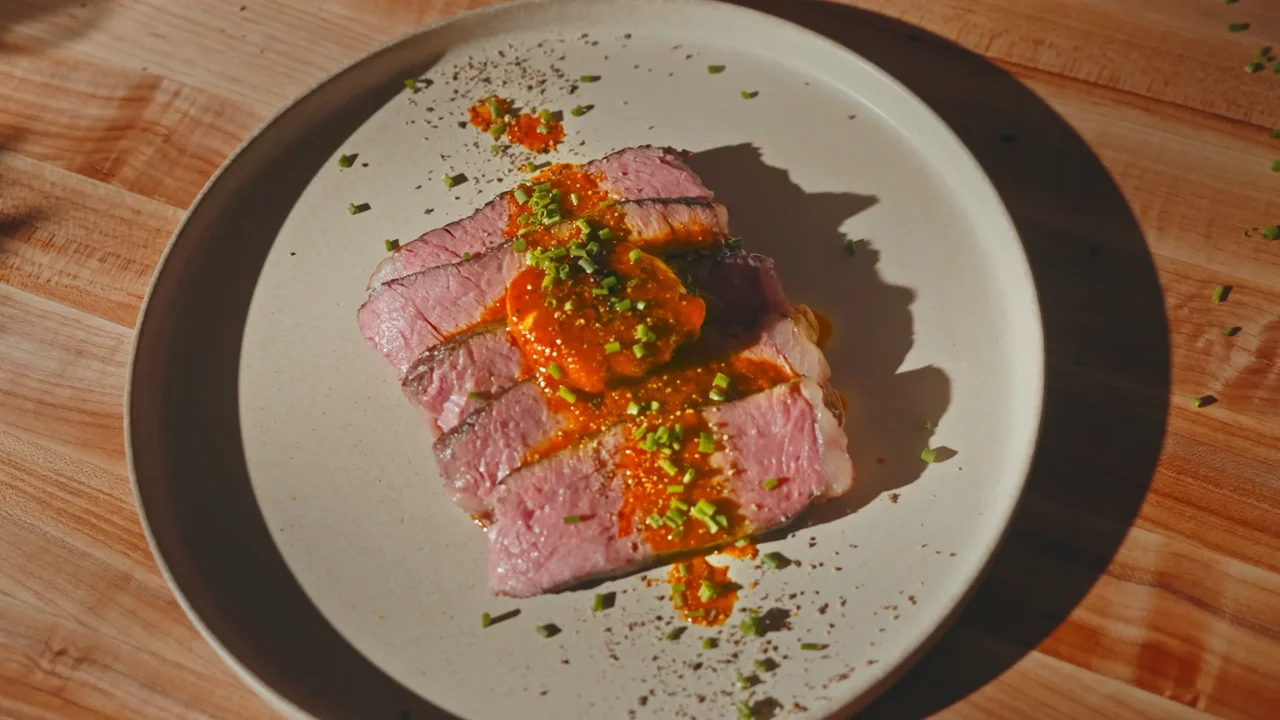
Mastering the art of cooking a restaurant-quality steak at home requires precision, high heat, and the right technique. A Gordon Ramsay inspired steak recipe focuses on achieving a deep, caramelized crust on the outside while maintaining a tender juicy interior. Professional chefs rely on simple yet high-quality ingredients such as thick-cut meat, fresh herbs, garlic, and butter to elevate the natural flavors. Understanding how to properly sear and baste the meat transforms an ordinary cut of beef into an exceptional culinary experience. This comprehensive guide explains the exact steps, techniques, and insider secrets needed to replicate a professional steakhouse dish in a home kitchen.
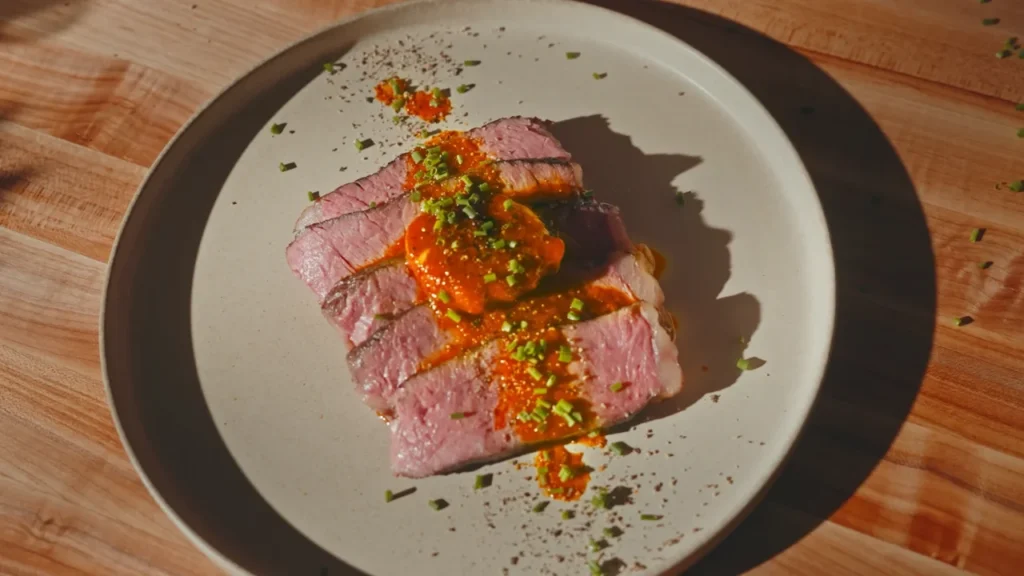
Selecting premium components dictates the ultimate success of any pan-seared steak recipe.
Before you begin cooking, make sure you have the following kitchen tools ready:
The choice of cookware plays a massive role in achieving a professional-grade crust. A heavy cast-iron skillet is the gold standard because it retains and distributes heat exceptionally well, ensuring a consistent sear across the meat. Heavy stainless-steel pans also work effectively if they are preheated properly. Non-stick pans should be avoided entirely for this recipe because they cannot handle the intense, high-heat environment required to properly sear a steak without damaging the non-stick coating.
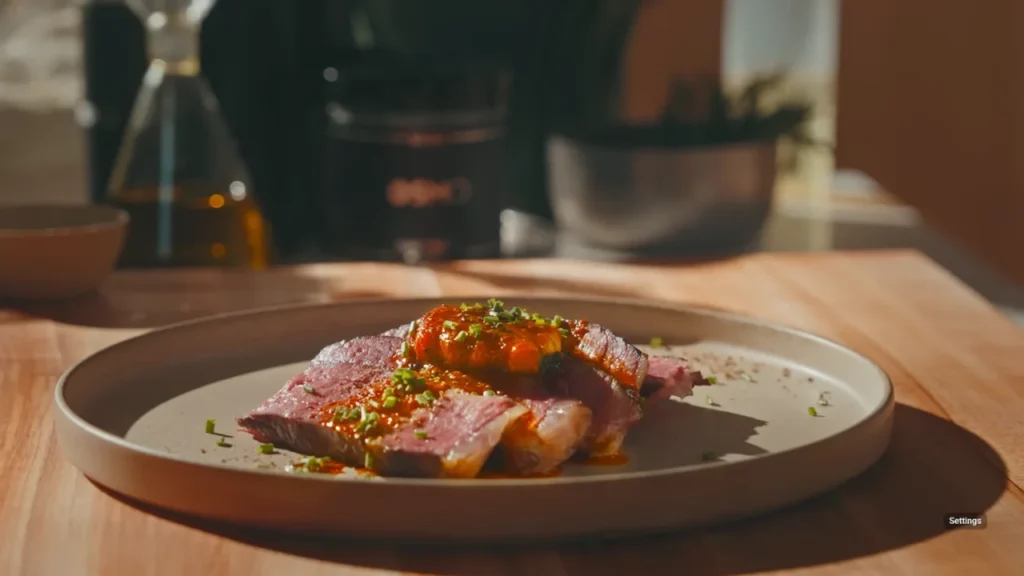
Preparing and cooking your steak correctly ensures optimal texture and flavor development. Follow these precise steps for professional results:
| Doneness Level | Internal Temperature | Visual Appearance | Texture and Juiciness |
|---|---|---|---|
| Rare | 120°F to 125°F | Bright red center, warm throughout | Extremely tender and very juicy |
| Medium Rare | 130°F to 135°F | Warm pink center with a hint of red | Tender, succulent, and juicy |
| Medium | 140°F to 145°F | Light pink center throughout | Slightly firm with balanced moisture |
| Well Done | 160°F and above | Fully brown with no pink remaining | Firm texture and significantly less juicy |
(Note: Always verify your safe internal cooking temperatures to ensure meat safety.)
Allowing the cooked beef to rest undisturbed after leaving the heat source is essential. Understanding the science of searing and resting helps preserve the meat quality. Transfer the steak to a warm cutting board or plate and loosely tent it with aluminum foil for five to seven minutes. This resting period allows muscle fibers to relax and flavorful juices to redistribute evenly throughout the cut. Cutting into the steak too early causes moisture to escape, resulting in dry meat. Always slice against the grain for maximum tenderness.
Follow these expert tips to achieve a perfectly cooked, restaurant-quality steak every time, leveraging professional culinary techniques for the best outcome:
Bring the steak to room temperature for about 30 minutes before cooking to ensure even heat distribution. Pat the steak completely dry with paper towels before seasoning to create a crisp, golden-brown crust. Use a heavy cast-iron skillet for consistent high heat and superior searing. Baste the steak continuously with melted butter, garlic, and fresh herbs during the final minutes of cooking for maximum flavor. Allow the steak to rest for 5–7 minutes before slicing so the juices can redistribute evenly. Slice the steak against the grain to achieve the most tender texture.
Avoid these common mistakes to ensure your steak turns out perfectly every time:
Cooking the steak directly from the refrigerator instead of letting it come to room temperature. Placing the steak in a pan that is not hot enough, preventing a proper sear. Flipping the steak too frequently, which can interfere with crust development. Pressing the steak with a spatula or tongs, causing flavorful juices to escape. Skipping the resting period before slicing. Using a non-stick pan instead of a heavy cast iron or stainless-steel skillet for high-heat cooking.
Avoid these common mistakes to ensure your steak turns out perfectly every time:
This Gordon Ramsay inspired steak pairs beautifully with a variety of classic side dishes. Consider serving it with:
For an elegant presentation, garnish the steak with fresh rosemary or thyme and serve with a small drizzle of the remaining garlic butter.
Proper storage helps maintain the steak’s flavor and texture.
Refrigerator: Store leftover steak in an airtight container for up to 3 days.
Freezer: Wrap the steak tightly in plastic wrap and aluminum foil, or place it in a freezer-safe container for up to 2 months.
Reheating: Reheat gently in a skillet over medium-low heat with a small amount of butter until warmed through. Avoid using high heat, as it can dry out the meat.
Customize this recipe with one of these delicious variations:
Each variation adds a unique flavor profile while preserving the classic pan-seared cooking method.
The following values are approximate and may vary depending on the cut of beef and ingredients used.
| Nutrient | Amount |
|---|---|
| Calories | 580 kcal |
| Protein | 42 g |
| Total Fat | 44 g |
| Saturated Fat | 18 g |
| Carbohydrates | 2 g |
| Fiber | 0 g |
| Sugar | 0 g |
| Sodium | 720 mg |
| Cholesterol | 145 mg |
Allowing the cooked beef to rest undisturbed after leaving the heat source is essential. Transfer the steak to a warm cutting board or plate and loosely tent it with aluminum foil for five to seven minutes. This resting period allows muscle fibers to relax and flavorful juices to redistribute evenly throughout the cut. Cutting into the steak too early causes moisture to escape, resulting in dry meat. Always slice against the grain for maximum tenderness.
Ribeye, sirloin, and fillet mignon are premier choices because their marbling and thickness respond exceptionally well to high-heat searing and butter basting.
Allowing the meat to sit out of the refrigerator for thirty minutes ensures that the interior cooks evenly and prevents the cold temperature from dropping the skillet’s heat.
A digital meat thermometer inserted into the thickest part of the meat is the most accurate method, registering medium doneness between one hundred thirty and one hundred thirty-five degrees Fahrenheit.
Unsalted butter is recommended because it provides complete control over sodium levels, preventing the garlic and herb pan sauce from becoming overwhelmingly salty.
Resting allows muscle fibers to relax and internal juices to redistribute across the entire cut, resulting in a significantly more tender and juicy final product.
Executing a Gordon Ramsay inspired steak recipe successfully relies on precision timing, proper thermal management, and respect for quality ingredients. By allowing the meat to reach room temperature, searing in a blazing hot skillet, and finishing with aromatic butter basting, home cooks can achieve professional restaurant standards. Paired with careful temperature tracking and adequate resting time, these proven culinary techniques guarantee a flawlessly cooked, juicy steak every single time.

One Response