
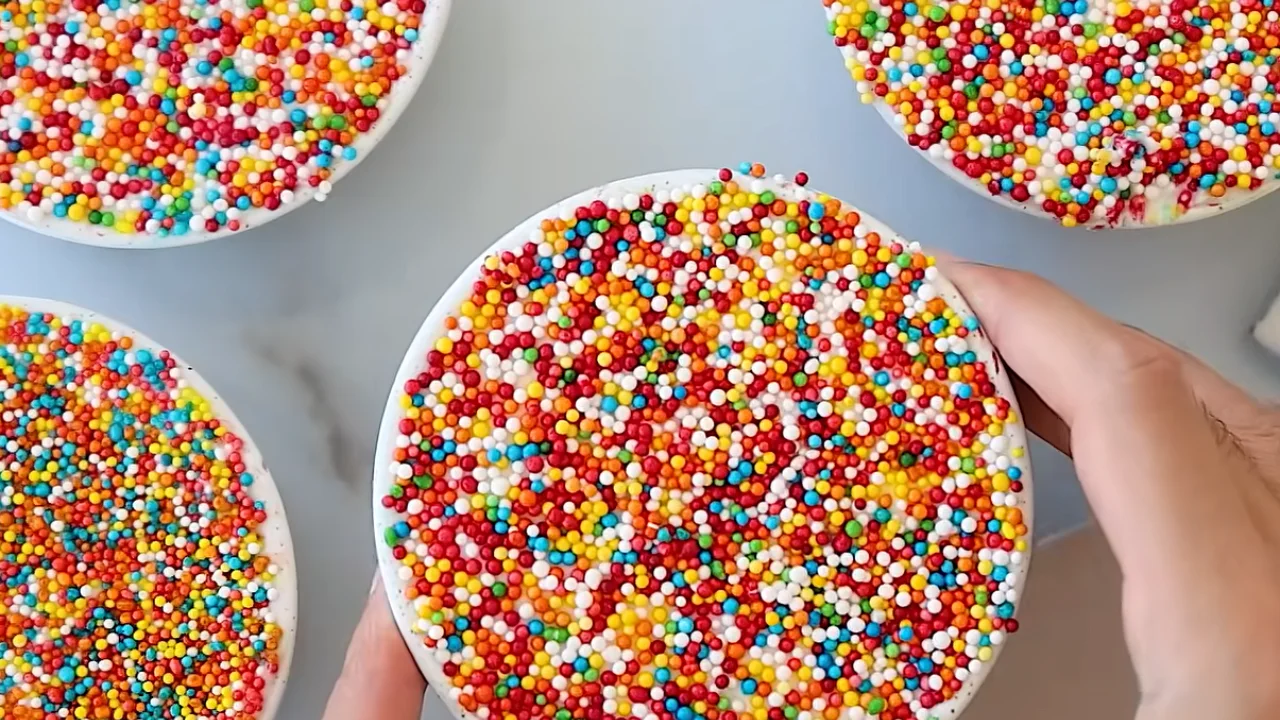
If you have been searching for an easy dot cake recipe for beginners, you have landed in exactly the right place. The dot cake has taken home bakers and professional decorators by storm, and for good reason. It is visually impressive, endlessly customizable, and far simpler to execute than it looks. Whether you are baking for a birthday, a celebration, or simply want to try something new in the kitchen, this complete guide will walk you through every stage of the process with precision and clarity.
This recipe produces a soft, moist vanilla cake layered with smooth buttercream frosting and finished with vibrant, perfectly piped dots across the surface. No prior decorating experience is required. By the time you finish reading, you will know exactly how to make a dot cake at home that looks bakery-quality and tastes even better.
A dot cake is a decorated layer cake featuring rows or patterns of piped frosting dots across the exterior. The dots are typically made using a round piping tip and buttercream frosting tinted in multiple colors. The result is a textured, colorful surface that gives the cake a playful and polished appearance simultaneously.
The dot cake is often confused with funfetti cake, but the two are distinct. Funfetti cake incorporates rainbow sprinkles inside the batter itself, creating colorful flecks throughout the crumb. A dot cake, by contrast, is defined by its exterior decoration rather than anything inside the batter. The dots are frosted onto the outside of the cake after it has been baked, cooled, and crumb-coated. The base cake for a dot cake can be vanilla, chocolate, strawberry, or any flavor of your choosing.
The dot cake trend grew rapidly across social media platforms due to its photogenic quality and the sense of satisfaction that comes from creating evenly spaced, colorful dots on a clean frosted surface. It appeals to home bakers because the technique requires only a basic piping bag and round tip, making it genuinely accessible to anyone willing to practice for a few minutes.
This easy dot cake recipe was developed with the beginner in mind at every stage. The batter comes together in one bowl without any complicated technique. The frosting requires no cooking and sets up beautifully with just butter, powdered sugar, heavy cream, and vanilla extract.
Beginner Friendly is the defining quality of this recipe. Every instruction explains not just what to do but why it matters, so you understand the process rather than following steps blindly. Understanding the process means you can troubleshoot problems on your own and adapt the recipe as you grow more confident.
No Special Equipment is required beyond a standard round cake pan, a hand or stand mixer, and a basic piping bag fitted with a round tip. If you do not own a piping bag, a zip-lock bag with a small corner snipped off works as an effective substitute for practice.
Budget Friendly from start to finish, this recipe uses pantry staples. Flour, sugar, eggs, butter, vanilla, baking powder, and salt are the core ingredients. The total cost of ingredients is significantly lower than a comparable bakery purchase, and the recipe yields enough cake to serve ten to twelve people.
Ready in Under 1 Hour of active preparation time. The bake time is approximately thirty to thirty-five minutes, and once the cake cools properly, the frosting and decorating process takes no more than twenty to thirty minutes.
Perfect for Birthdays and celebrations, the dot cake is one of the most requested homemade birthday cake designs in recent years. The colorful dots can be customized to match any theme, color palette, or occasion, making it a genuinely versatile choice for any event.
The cake base calls for two and a half cups of all-purpose flour, sifted to remove lumps and ensure a light crumb. You will need one and a half cups of granulated white sugar, half a cup of unsalted butter softened to room temperature, and two large eggs also brought to room temperature before mixing. The liquid component is one cup of whole milk, measured at room temperature. Two and a half teaspoons of baking powder provide lift, while half a teaspoon of fine salt balances the sweetness. Two teaspoons of pure vanilla extract give the cake its signature warm flavor.
The buttercream frosting requires one cup of unsalted butter softened to room temperature, which forms the base and gives the frosting its structure. Three and a half to four cups of powdered sugar, sifted, are added gradually to create the smooth, pipeable consistency needed for frosting dots. Two to three tablespoons of heavy cream or whole milk are incorporated to adjust the texture. One teaspoon of pure vanilla extract completes the base flavor. Gel food coloring in your chosen colors is divided between separate portions of frosting for the dot decoration.
You will need gel food coloring in at least two to three colors of your preference. Rainbow sprinkles or nonpareils can be added between the dots for additional texture if desired. A small amount of white frosting reserved from the base batch serves as the crumb coat applied before the decorative layer.
A large mixing bowl is needed for combining the cake batter by hand or with a mixer. A hand mixer or stand mixer makes the creaming process significantly easier and produces a more uniform batter. A nine-inch round cake pan or two eight-inch round cake pans are required for baking, depending on whether you want a single-layer or two-layer cake. A cooling rack is essential for allowing proper airflow around the baked cake layers, preventing condensation from making the exterior soggy. An offset spatula gives you precise control when spreading the crumb coat and base layer of frosting across the cake surface. A piping bag fitted with a round tip, specifically a Wilton 1A or similar large round tip, creates the clean, defined dots. Having four to six small bowls available helps when dividing and tinting the frosting into multiple colors.
Preheat your oven to 350 degrees Fahrenheit and grease your cake pan generously with butter, then dust lightly with flour to prevent sticking. In a large mixing bowl, beat the softened butter and sugar together on medium speed for three to four minutes until the mixture turns pale, light, and noticeably fluffy. This creaming process is not just about combining ingredients. It incorporates air into the batter, which directly affects how much the cake rises during baking and how tender the final crumb turns out. Add the eggs one at a time, beating well after each addition. Stir in the vanilla extract.
In a separate bowl, whisk together the sifted flour, baking powder, and salt. Add the dry ingredients to the butter mixture in three additions, alternating with the room temperature milk in two additions. Begin and end with the flour mixture. Mix only until each addition is just incorporated. Overmixing at this stage develops gluten in the flour and produces a tough, dense cake rather than a soft, tender crumb.
Pour the batter into the prepared pan and smooth the top with a spatula. Tap the pan gently on the counter two or three times to release any large air bubbles trapped in the batter. Bake at 350 degrees Fahrenheit for thirty to thirty-five minutes. The cake is done when a toothpick inserted into the center comes out clean or with only a few dry crumbs attached. The edges will also have pulled slightly away from the sides of the pan. Do not open the oven door during the first twenty minutes of baking, as the sudden change in temperature can cause the center to sink.
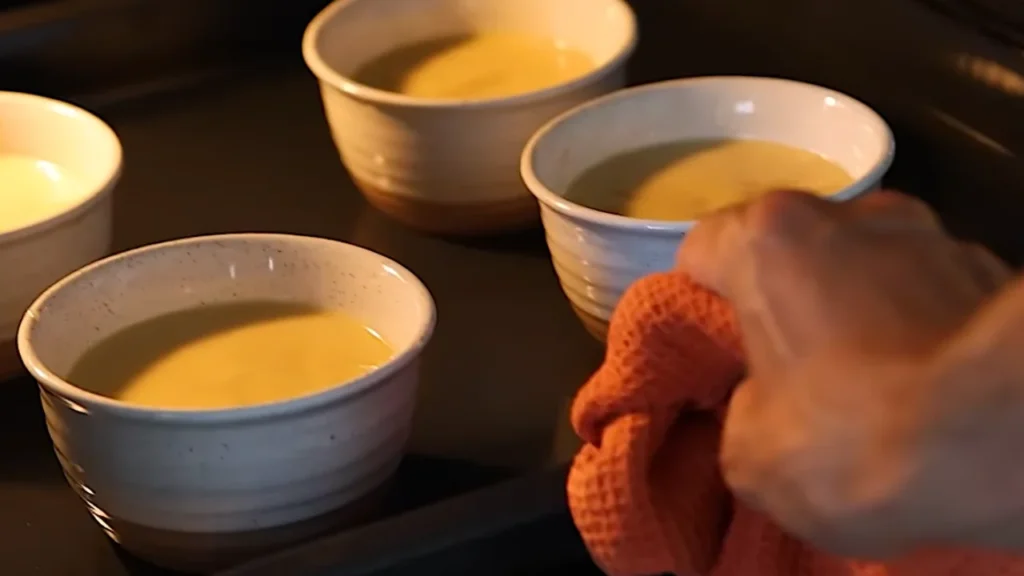
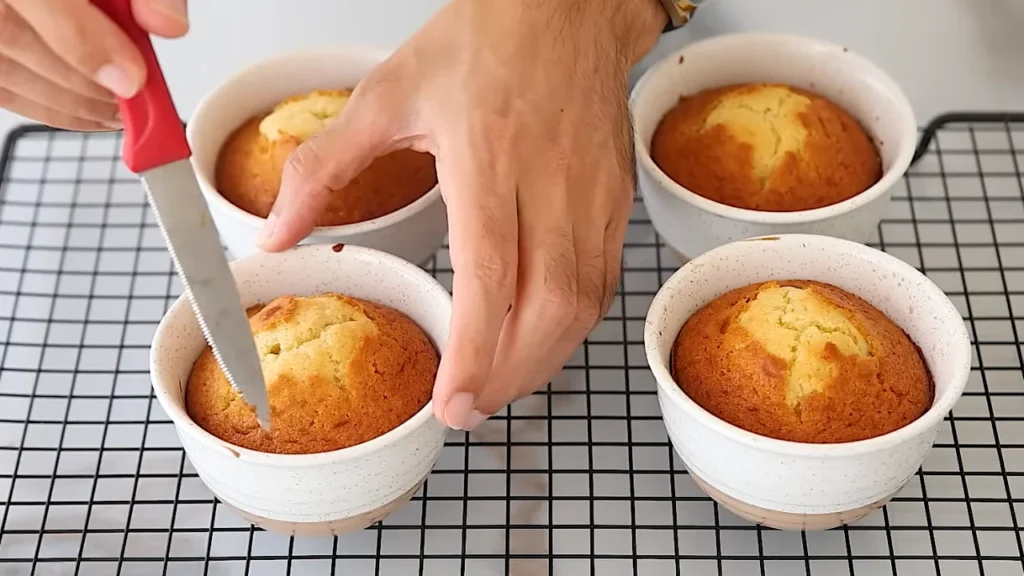
Remove the cake from the oven and allow it to rest in the pan for exactly ten minutes. This resting period allows the cake to firm up just enough to be removed without breaking. After ten minutes, run an offset spatula or thin knife around the edge of the pan to loosen the cake, then turn it out onto a wire cooling rack. Allow the cake to cool completely to room temperature before applying any frosting. This step is non-negotiable. Frosting a warm cake causes the buttercream to melt on contact, ruining both the texture of the frosting and the visual precision of the dots. If you are short on time, place the cooled cake in the refrigerator for twenty minutes to firm it up before decorating.
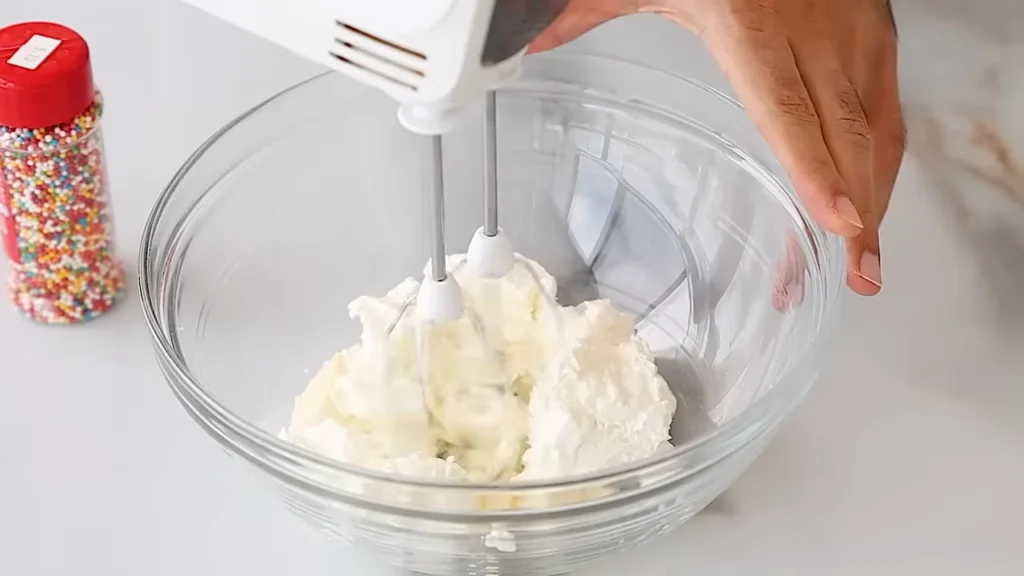
Beat the softened butter in a large bowl on medium-high speed for two full minutes until it is pale and creamy. This extended beating of butter alone before adding sugar results in a frosting that is noticeably smoother and less greasy than one where all ingredients are added at once. Add the sifted powdered sugar one cup at a time, beating on low speed after each addition to prevent a cloud of sugar from rising. Once all the sugar is incorporated, add the vanilla extract and one tablespoon of heavy cream. Increase the speed to medium-high and beat for three minutes. Add additional cream one tablespoon at a time until the frosting reaches a thick but spreadable consistency. For piping dots, the frosting should hold its shape when squeezed from the bag without spreading or drooping.
Divide the frosting into separate bowls according to how many colors you plan to use. Add gel food coloring rather than liquid food coloring, as gel produces vivid, saturated color with a much smaller amount. Liquid food coloring can thin the frosting and affect its consistency. Mix each color thoroughly until no streaks remain.
Apply a thin, even crumb coat of white or uncolored frosting over the entire surface of the cooled cake using an offset spatula. The crumb coat is a thin layer of frosting applied first to seal any loose crumbs against the surface so they do not appear in the final decorative layer. Refrigerate the crumb-coated cake for fifteen to twenty minutes until the frosting feels firm to the touch. Once the crumb coat is set, apply a thicker, smoother layer of your base frosting color over the exterior. Smooth it as evenly as possible using your offset spatula or a bench scraper for the cleanest result. Return the cake to the refrigerator for another fifteen minutes before beginning the dot decoration.
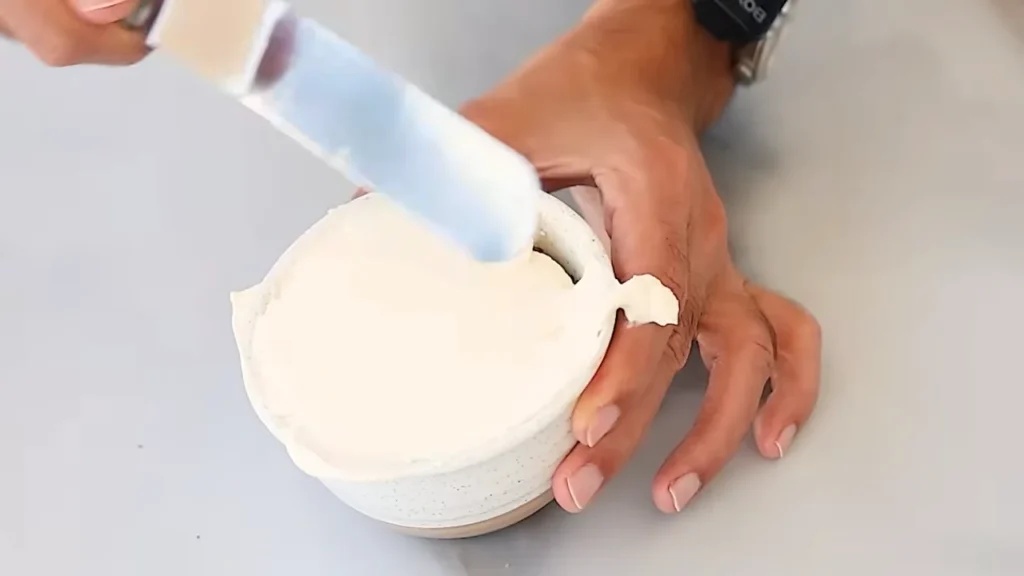
Fill a piping bag fitted with a round tip with your first color of frosting. Hold the piping bag perpendicular to the cake surface, meaning straight out from the side rather than at an angle. Position the tip about a quarter inch away from the surface without touching it. Apply steady, even pressure to the bag until a dot of your desired size forms, then stop squeezing completely before lifting the tip straight up and away from the cake. This stop-then-lift technique is what produces a clean, round dot with a flat base rather than a pointed peak.
Begin your dot pattern either from the bottom edge of the cake working upward in rows, or from the top edge working downward, depending on your preferred design. Maintain consistent spacing between dots for a professional and uniform appearance. Switch between colors as you work across the surface to create the multicolored pattern that defines the viral dot cake look. The top of the cake can be covered with dots arranged in concentric circles or left partially clean for a different visual effect.
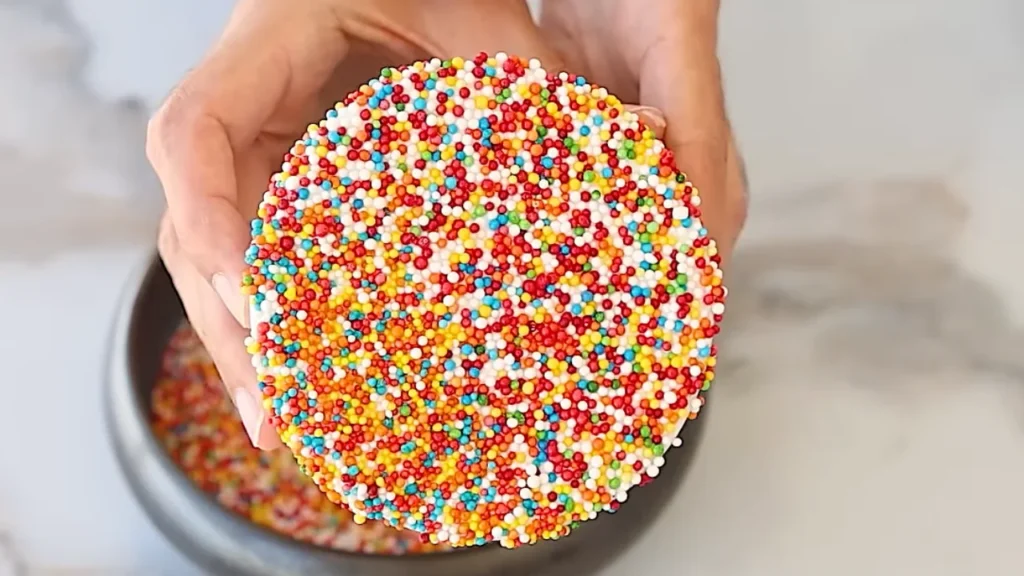
Once all the dots have been piped, examine the cake from eye level to identify any areas where the spacing looks uneven or where a dot is noticeably larger or smaller than those surrounding it. A toothpick can be used to gently nudge individual dots into a rounder shape if needed. Add rainbow sprinkles, nonpareils, or edible glitter between the dots for additional texture if the design calls for it. Refrigerate the finished cake for at least thirty minutes before slicing to allow the frosting to set firmly, which makes slicing cleaner and prevents the dots from smearing.
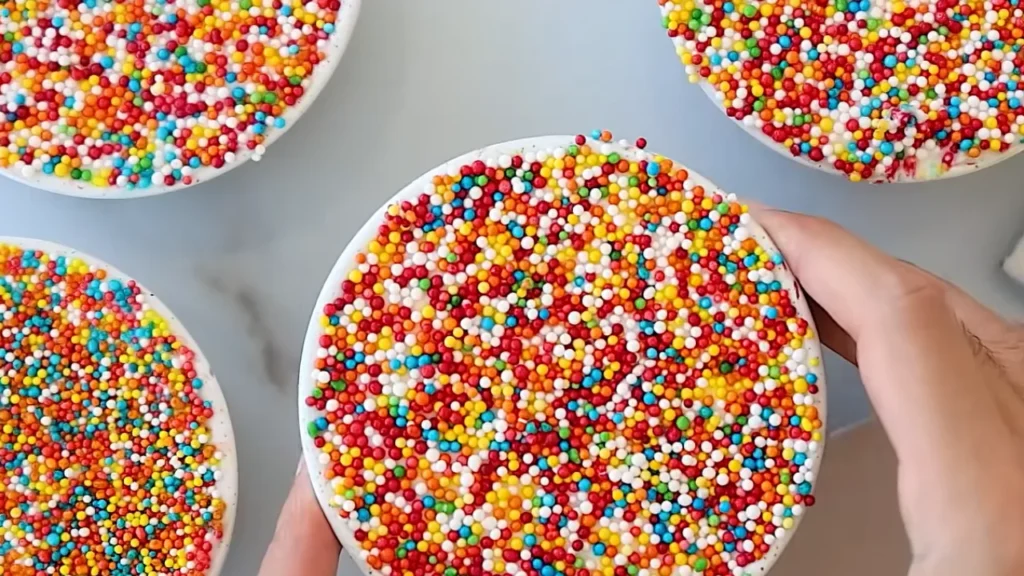
Producing consistent, well-formed frosting dots is the one skill that separates a good-looking dot cake from a great-looking one. Several specific techniques make a significant difference in the outcome.
Use a Round Tip Nozzle rated size 1A, 2A, or 12 for large dots, or size 5, 6, or 10 for smaller dots. The round tip creates a perfectly circular opening that produces clean, symmetrical dots without the ridges or edges that star tips or other shapes would leave behind. Avoid cutting a hole in a zip-lock bag if you want truly consistent results, as the opening tends to be irregular.
Keep Equal Pressure on the piping bag throughout each dot. Inconsistent pressure is the most common cause of uneven dot sizes. Practice on a sheet of parchment paper before moving to the cake. Ten minutes of practice produces a noticeable improvement in consistency.
Start From the Center of each dot location rather than dragging the tip across the surface. Press the tip gently toward the surface without touching it, squeeze with controlled steady pressure, stop squeezing, and lift. The frosting forms outward from the center of the tip, creating a naturally round shape.
Use Gel Colors exclusively for tinting buttercream destined for piped dots. Gel food coloring integrates into the fat-based frosting without thinning it, preserving the pipeable consistency. Liquid food coloring adds water, which can soften the frosting enough that dots lose their defined shape and begin to spread.
Chill the Cake First before applying dots. A cold, firm surface of set crumb coat and base frosting gives the dots something stable to adhere to. Piping onto a warm or soft frosting surface allows the dots to sink, spread, or slide, especially at the base of the cake where gravity is a factor.
Understanding where beginners most often go wrong allows you to sidestep those exact problems before they happen.
Overmixing the Batter is the most frequent baking mistake in any cake recipe. Once the flour is added to the wet ingredients, gluten development begins immediately with every additional rotation of the mixer. Overmixed batter produces a cake with a tight, chewy crumb and a tendency to dome sharply in the center. Mix only until the flour disappears into the batter and stop immediately.
Frosting a Warm Cake is the next most common error and one of the most damaging to the final result. Warm cake releases steam, and even if the surface feels cool to the touch, residual internal heat can cause buttercream to become greasy, slide, or lose its structure entirely. Always allow complete room temperature cooling, and when time allows, a fifteen-to-twenty-minute chill in the refrigerator before frosting gives the best results.
Too Much Food Coloring is a frequent issue when using liquid food coloring for the first time. Beginners often add large amounts trying to achieve a saturated, vibrant color, which thins the frosting and can affect both flavor and consistency. Gel food coloring delivers intense color with as little as a quarter teaspoon, avoiding both thinning and off-flavors.
Uneven Dot Sizes result from inconsistent pressure on the piping bag, moving the bag while squeezing, or stopping pressure at different points in the motion. The solution is dedicated practice on parchment before moving to the cake. A few minutes of practice transforms erratic dots into confident, consistent ones.
Thick Frosting that is too stiff to pipe smoothly is a common problem when too little liquid has been added or when the butter was not beaten long enough before the sugar was incorporated. If the frosting tears when piped rather than flowing smoothly, add heavy cream one teaspoon at a time and beat for thirty seconds before testing again. The correct consistency allows the frosting to flow out of the tip with gentle pressure without spreading once it lands on the surface.
The dot cake format is flexible enough to accommodate a wide range of color schemes, themes, and design approaches.
Rainbow Dot Cake uses red, orange, yellow, green, blue, and purple frosting in either a striped pattern across the cake or arranged in a random scattered design. The rainbow version is especially popular for children’s birthday celebrations and produces maximum visual impact with minimal additional effort beyond mixing six separate frosting colors.
Pastel Dot Cake achieves a soft, elegant look by using pale pink, lavender, mint, and sky blue together. Pastel cakes are appropriate for baby showers, bridal showers, spring parties, and any occasion where a gentle, sophisticated palette is preferred over bold primaries. The pastel effect is achieved by adding only a tiny amount of gel color to each portion of white buttercream.
Birthday Dot Cake typically combines the birthday person’s favorite colors or matches the party’s existing color theme. Gold or silver edible glitter sprinkled between the dots adds a celebratory quality appropriate for milestone occasions.
Chocolate Dot Cake uses a chocolate-flavored base cake and a chocolate buttercream for the piped dots, with white or ivory dots interspersed for contrast. The combination is rich, visually striking, and consistently popular with guests who prefer chocolate over vanilla.
Floral Dot Cake incorporates fresh or dried edible flowers pressed gently between or beside the piped dots. Pansies, violets, and rose petals pair beautifully with pastel buttercream dots and elevate the visual complexity without requiring additional piping skill.
Vanilla Dot Cake is the classic version described throughout this recipe. The light, tender crumb and subtly sweet buttercream make it universally appealing and appropriate for virtually any occasion.
Chocolate Dot Cake replaces half a cup of the all-purpose flour with an equal amount of unsweetened cocoa powder and adds two tablespoons of hot water to the batter to bloom the cocoa and deepen its flavor. The chocolate variation pairs particularly well with both chocolate and vanilla buttercream dots.
Strawberry Dot Cake incorporates two tablespoons of freeze-dried strawberry powder into the batter for natural strawberry flavor and a faint pink tint. The frosting can be flavored with fresh strawberry puree reduced to a thick concentrate and mixed into the buttercream in small amounts to avoid thinning the consistency.
Lemon Dot Cake adds two tablespoons of fresh lemon zest and two tablespoons of fresh lemon juice to the batter, creating a bright, citrus-forward cake that pairs especially well with a vanilla or cream cheese frosting base tinted in soft yellows and whites.
Mini Dot Cupcakes use the same batter portioned into a standard muffin tin lined with cupcake liners. Bake at 350 degrees Fahrenheit for eighteen to twenty minutes. The dot decoration on cupcakes is applied to the top surface only, making them faster to decorate than a full cake while maintaining the same visual appeal.
A frosted dot cake can be stored at room temperature in an airtight cake carrier or under a cake dome for up to two days. The environment should be cool and away from direct sunlight or heat sources, both of which can cause the buttercream to soften and the dots to lose their defined shape. Room temperature storage works best in climates where the ambient temperature remains below 72 degrees Fahrenheit.
For storage beyond two days, or in warm climates, refrigerate the cake in an airtight container to prevent it from absorbing other food odors. Before refrigerating, allow the frosting to set completely so the dots remain intact, then loosely drape plastic wrap over the surface without pressing it against the frosting. Refrigerated dot cake keeps well for up to five days. Before serving, remove the cake from the refrigerator thirty to forty-five minutes in advance to allow it to return to room temperature, which improves both texture and flavor.
Unfrosted cake layers can be frozen for up to two months. Wrap each cooled layer tightly in two layers of plastic wrap followed by one layer of aluminum foil to prevent freezer burn. Thaw the layers in the refrigerator overnight before frosting. Fully frosted dot cake can also be frozen, though the appearance of the dots may be slightly affected after freezing and thawing. Freeze the frosted cake uncovered for one hour until the frosting is firm, then wrap carefully and store for up to six weeks.
Making components of the dot cake in advance is a practical strategy for reducing day-of preparation time.
1 Day Before, you can bake the cake layers, cool them completely, wrap them tightly in plastic wrap, and store them at room temperature. The buttercream frosting can also be prepared one day in advance and stored in an airtight container in the refrigerator. Bring the frosting back to room temperature and beat briefly before using to restore its smooth, pipeable consistency.
2 Days Before, the cake layers can be wrapped and refrigerated rather than left at room temperature. Cold cake layers are actually firmer and easier to frost than freshly baked ones at room temperature, making advance baking a practical advantage rather than a compromise.
Freezing Layers up to two months in advance is the most flexible make-ahead approach. This is particularly useful when preparing for a large event where multiple cakes are needed. Thaw the layers completely in the refrigerator overnight before frosting, and always bring them to full room temperature before applying buttercream, as cold layers can cause condensation to form under the frosting.
The following nutrition information is an approximate estimate per serving based on a recipe that yields twelve slices.
| Nutrient | Amount Per Serving |
|---|---|
| Calories | 420 kcal |
| Carbohydrates | 58 g |
| Protein | 4 g |
| Total Fat | 20 g |
| Saturated Fat | 12 g |
| Cholesterol | 75 mg |
| Sodium | 180 mg |
| Sugar | 44 g |
| Fiber | 0.5 g |
Nutrition values are approximate and will vary depending on specific ingredient brands, portion sizes, and the amount of frosting applied during decoration.
Sift the Flour before measuring and again after measuring to remove any lumps that formed during storage. Sifted flour incorporates more evenly into the batter, producing a finer, more uniform crumb throughout the finished cake. This single step makes a measurable difference in texture.
Room Temperature Ingredients are non-negotiable for a smooth, emulsified batter. Cold butter will not cream properly with sugar and produces a dense, greasy cake. Cold eggs can cause the emulsified batter to break into a curdled texture. Set your butter and eggs out at least one hour before you begin baking.
Use a Turntable if you plan to apply frosting dots around the full circumference of the cake. A rotating cake turntable allows you to spin the cake slowly as you pipe, maintaining a consistent distance and angle between the tip and the surface without awkward repositioning of the cake between rows of dots.
Chill Before Decorating at every intermediate stage of the frosting process. A chilled crumb coat, a chilled base frosting layer, and dots piped onto a chilled surface all produce sharper edges, better dot definition, and a more stable finished product. Patience during the chilling stages directly improves the visual outcome.
Use Buttercream Instead of Whipped Cream for all decorative elements on a dot cake. Whipped cream, while delicious, is unstable at room temperature and will not hold the defined shape required for frosting dots beyond a short period. American-style buttercream made with butter and powdered sugar is the most reliable choice for beginners due to its stability, ease of coloring, and forgiving consistency.
A dot cake is a decorated layer cake featuring piped frosting dots applied across the exterior surface in a pattern or random arrangement. The dots are made using a round piping tip and colored buttercream frosting. The design is visually striking and has become widely popular as a beginner-friendly cake decorating technique.
Yes, the dot cake is one of the most beginner-friendly decorated cake designs available. The piping technique requires only one basic tip and a few minutes of practice to master. The cake base is a standard vanilla layer cake that comes together without any advanced baking technique. This is genuinely one of the best dot cake recipes for beginners because every step is explained with the context needed to succeed.
American buttercream, made with unsalted butter and powdered sugar, is the best frosting for dot cakes. It holds its shape well at a range of temperatures, colors easily with gel food coloring, and provides clean, defined dot edges when piped correctly. Swiss meringue buttercream is a more advanced alternative that produces a silkier texture, but it requires cooking egg whites over a double boiler and is less stable for beginners.
A dot cake stored at room temperature in an airtight container lasts up to two days. Refrigerated, it stays fresh for up to five days. Freezing unfrosted cake layers extends storage to two months.
Store-bought frosting can be used as the crumb coat or base frosting layer, but it is not ideal for piping dots. Most commercial frostings are softer in consistency than homemade buttercream and may not hold their shape well enough to maintain defined dot edges, especially at room temperature. If you use store-bought frosting, chill the cake thoroughly between each stage to compensate for the softer consistency.
Yes, the same batter works beautifully as cupcakes. Fill standard-size cupcake liners two-thirds full and bake at 350 degrees Fahrenheit for eighteen to twenty minutes. The dot decoration can be applied to the frosted top of each cupcake using the same technique described for the full cake.
Frosting dots lose their shape and melt when the cake surface is too warm, when the frosting contains too much liquid, when liquid food coloring has been used instead of gel, or when the ambient kitchen temperature is too high. Ensure the cake is thoroughly chilled before decorating, use gel food coloring exclusively, and if your kitchen is warm, work quickly and return the cake to the refrigerator between sections.
Gel food coloring is strongly recommended over liquid food coloring for all buttercream tinting. Gel colors deliver intense, saturated hues with very small amounts, typically a toothpick tip to a quarter teaspoon per portion of frosting. They do not thin the frosting consistency the way liquid food coloring does. Brands such as AmeriColor, Wilton Gel Colors, and Chefmaster are widely available and produce reliable, consistent results.
The easy dot cake recipe for beginners covered in this guide delivers a soft, flavorful vanilla cake finished with colorful buttercream frosting dots that look professionally decorated even on your first attempt. Every step of the process has been designed to be achievable with standard kitchen equipment, basic baking knowledge, and a willingness to practice the piping technique for a few minutes before applying it to the finished cake.
The key principles to take away are simple. Use room temperature ingredients for a smooth batter. Allow the cake to cool completely before frosting. Use gel food coloring for vivid, stable dots. Chill the cake at every stage of the decorating process. Practice your dot pressure on parchment before moving to the cake surface.
Once you have made this dot cake recipe once, you will have the foundational skills to explore every variation, from the rainbow dot cake to the pastel version, the chocolate variation, and the lemon option. The technique transfers across all of them. If you try this recipe, share your results at cookingnations.com, where you will find additional beginner-friendly baking guides, frosting tutorials, and cake decorating resources to build your skills further.
Still have questions about this Easy Dot Cake Recipe For Beginners? Watch this detailed video tutorial to see each step in action and learn the decorating technique more easily: Easy Dot Cake Video Tutorial
Learn how to make an Easy Dot Cake Recipe For Beginners with soft vanilla cake, creamy buttercream frosting, and colorful decorative dots. Perfect for birthdays, parties, and special occasions.
Type: Dessert
Cuisine: American
Keywords: Easy Dot Cake Recipe For Beginners, dot cake recipe, colorful cake, buttercream dot cake, birthday cake recipe, homemade cake, beginner cake decorating, vanilla cake recipe
Recipe Yield: 12 Servings
Calories: 420
Preparation Time: PT20M
Cooking Time: PT35M
Total Time: PT55M
Recipe Ingredients:
Recipe Instructions: Step 1 Preheat oven to 350°F (175°C). Grease and flour a cake pan. Step 2 Cream butter and sugar until light and fluffy. Add eggs one at a time and mix in vanilla extract. Step 3 Whisk flour, baking powder, and salt together. Alternate adding dry ingredients and milk to the batter. Step 4 Pour batter into the prepared pan and bake for 30–35 minutes until a toothpick comes out clean. Step 5 Cool the cake in the pan for 10 minutes, then transfer to a wire rack and cool completely. Step 6 Beat butter until creamy. Gradually add powdered sugar, vanilla extract, and heavy cream to make buttercream frosting. Step 7 Apply a crumb coat and chill the cake for 15–20 minutes. Step 8 Spread a smooth layer of frosting over the cake. Step 9 Divide frosting into bowls and color with gel food coloring. Step 10 Pipe colorful frosting dots around the cake to create the dot cake design. Step 11 Decorate with rainbow sprinkles if desired and chill before serving.

2 Responses