
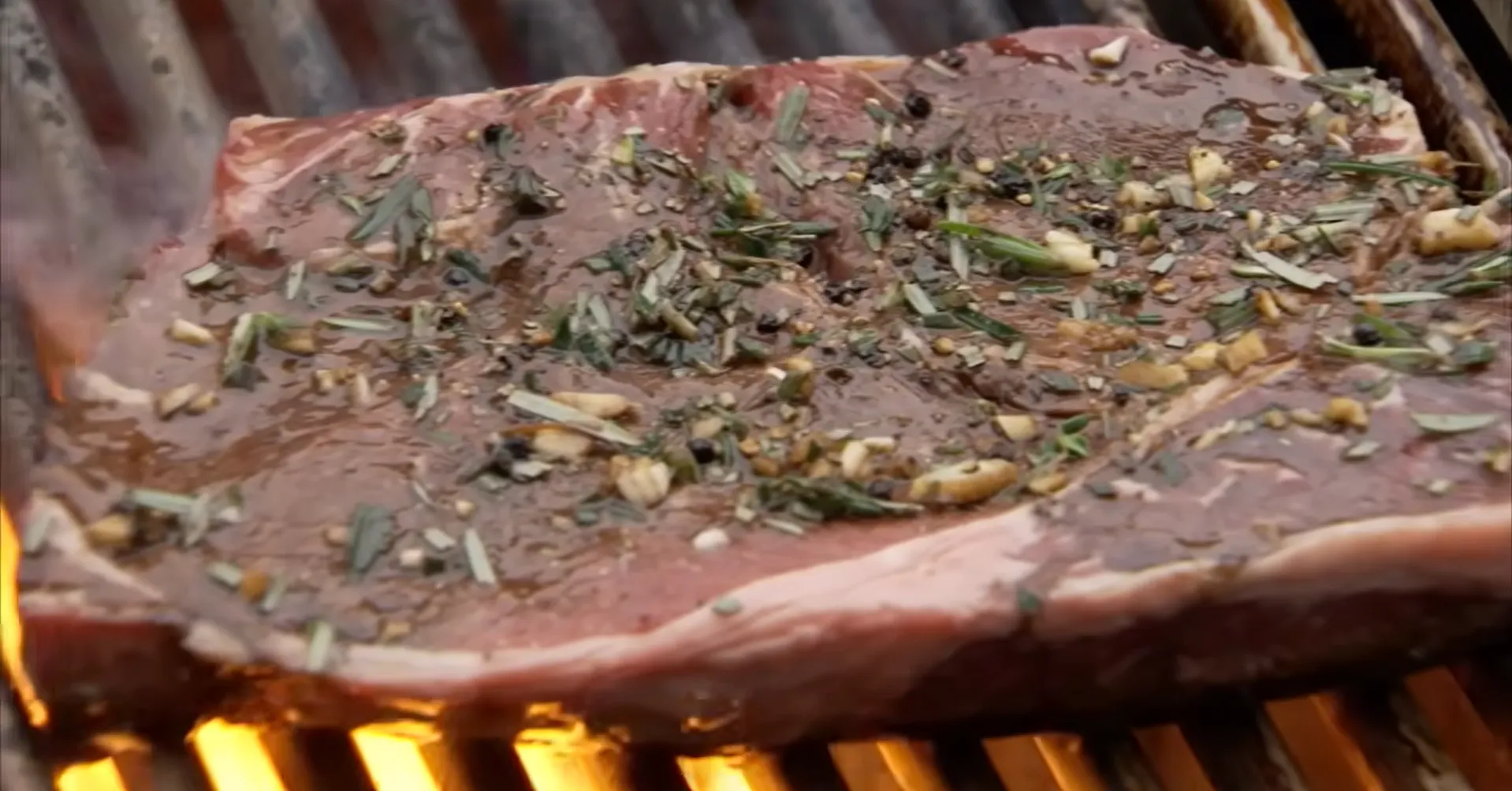
Nothing beats the smell of a steak sizzling over an open flame. The sound of meat hitting hot grill grates the smoky fragrance in the air and that first juicy bite is what makes steak one of the world’s favorite best steak marinade recipe BBQ meals. Choosing a quality cut of beef matters but the real secret behind restaurant style steak is almost always the marinade. A well balanced marinade doesn’t just coat the surface it enhances flavor improves tenderness locks in moisture and helps build the rich caramelized crust every steak lover craves.
Whether you’re grilling a marbled ribeye a classic New York strip a lean sirloin or a flavorful flank steak understanding how a marinade actually works can transform your BBQ game. Most people assume marinades only add flavor but they also help season meat evenly and encourage better browning on the grill. Paired with the right grilling technique a good marinade can make even a budget cut taste incredible.
This guide walks through the science behind a great steak marinade, why each ingredient earns its place and a step by step recipe that delivers juicy tender flavorful steak every single time whether you’re firing up the grill for the first time or you’re a seasoned pitmaster refining your technique.
A lot of people skip marinating altogether assuming salt and pepper are enough. Premium cuts like ribeye or filet mignon certainly don’t need a heavy marinade but a balanced one still brings real benefits to flavor and texture.
A good marinade does four things:
The end result is a steak that stays juicy inside while developing a beautifully browned exterior on the grill.
One common misconception: marinades don’t penetrate all the way to the center of a thick steak. What they actually do is enhance the outer layers which is exactly where the flavorful crust forms during cooking. Since every bite starts at the surface a well seasoned exterior makes a noticeably bigger difference than people expect.
A great marinade isn’t a random mix of ingredients thrown together every component has a job and when they’re balanced correctly the results speak for themselves.
The formula is simple:
Fat + Acid + Salt + Aromatics + Seasonings = Balanced Flavor and Better Texture
Here’s what each part actually contributes.
Extra virgin olive oil is the foundation of this marinade. Oil dissolves the fat soluble compounds in herbs, garlic, black pepper, and spices, letting those flavors coat the steak’s surface evenly. On the grill that thin oil layer also helps prevent sticking and encourages more even browning.
Olive oil does one more job it forms a light protective barrier that reduces moisture loss as the steak cooks over high heat. Any neutral oil would technically work but extra virgin olive oil brings a subtle fruitiness that pairs beautifully with beef.
Soy sauce might be the single most important ingredient here. It brings salt, umami, rich color and moisture retention all in one. The sodium acts almost like a light dry brine rather than just sitting on the surface it slowly works into the outer layers of the meat helping it hold moisture through cooking.
At the same time its natural glutamates create a savory, meaty depth that enhances beef without overpowering it. A low sodium soy sauce gives you better control over overall seasoning while still delivering that umami punch.
Worcestershire sauce looks simple but packs an impressive ingredient list vinegar, tamarind, molasses, anchovies, onion, garlic, and spices. Each one adds a different layer. The mild acidity gently softens tougher muscle fibers, while the fermented ingredients build a depth of flavor that pairs perfectly with grilled beef which is exactly why so many professional kitchens use it even on premium cuts.
Dijon mustard’s job isn’t to make the steak taste like mustard it’s an emulsifier. Without it oil naturally separates from water based ingredients like soy sauce and Worcestershire. Dijon binds everything into one smooth cohesive mixture that coats the meat evenly and its subtle tang becomes nearly undetectable once the steak hits the grill.
Fresh garlic remains one of beef’s best partners. Over high heat its sharp bite mellows into a sweet roasted aroma that plays beautifully with the smokiness of the grill. Freshly minced garlic beats garlic powder every time for both flavor and aroma and if you love garlic bumping it from four cloves to six or seven works great.
Rosemary and thyme are the classic steak herbs. Their natural oils release beautifully under heat filling the air with rich herbal aroma. Rosemary brings a pine like fragrance thyme adds a softer earthy note and together they balance the richness of the meat. Fresh herbs consistently outperform dried ones here since their oils are far more vibrant.
Black pepper brings warmth rather than sharp heat coarse pepper creates little bursts of spice throughout the crust when grilled. Red pepper flakes add a gentle background heat that rounds out the flavor without making the steak spicy. Together they also add visual texture to the finished crust.
This recipe makes about 1½ cups of marinade enough for 2–3 pounds (1–1.4 kg) of steak.
This takes about ten minutes start to finish but a little attention to each step makes for a smoother, better-emulsified marinade.
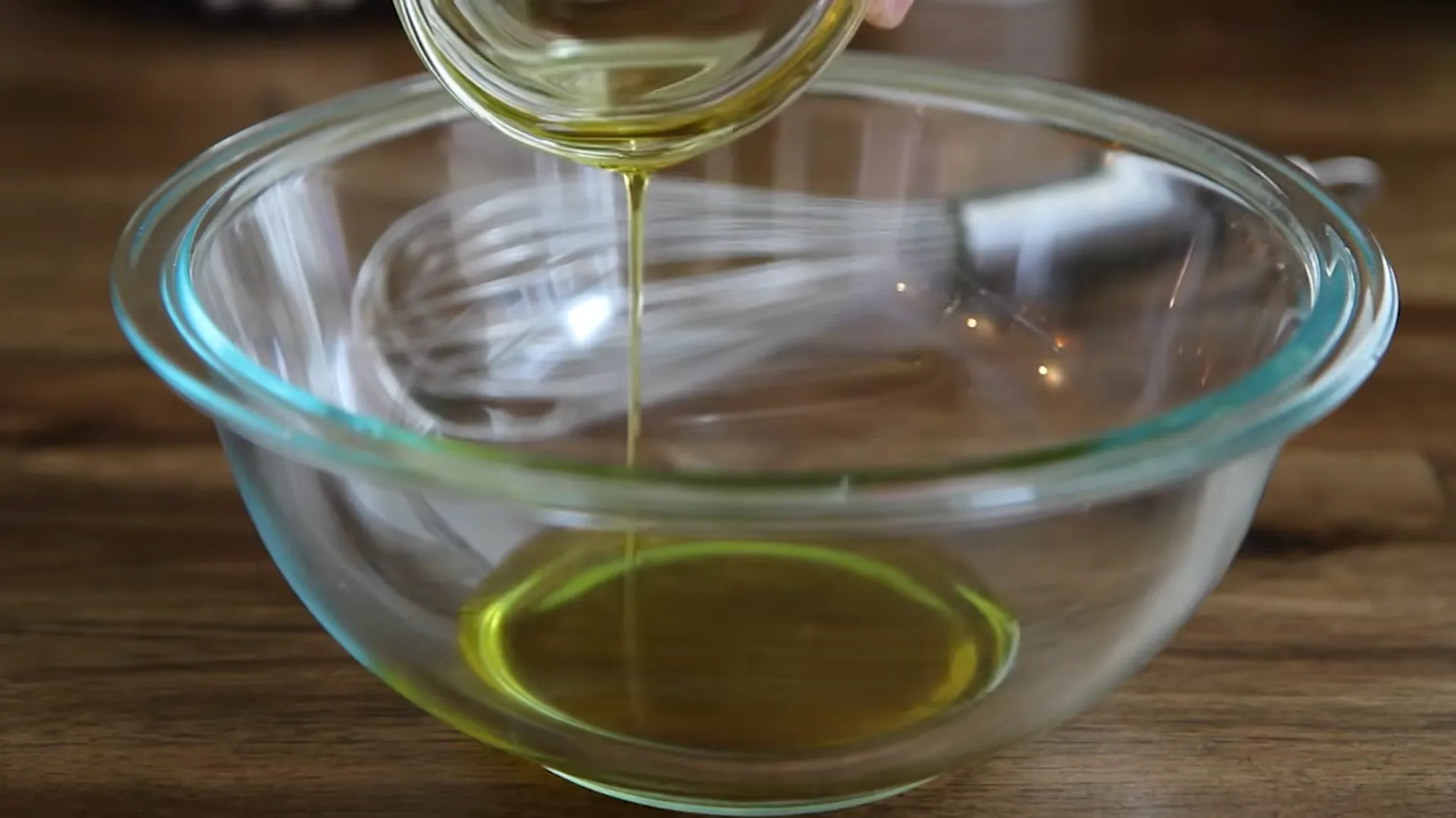
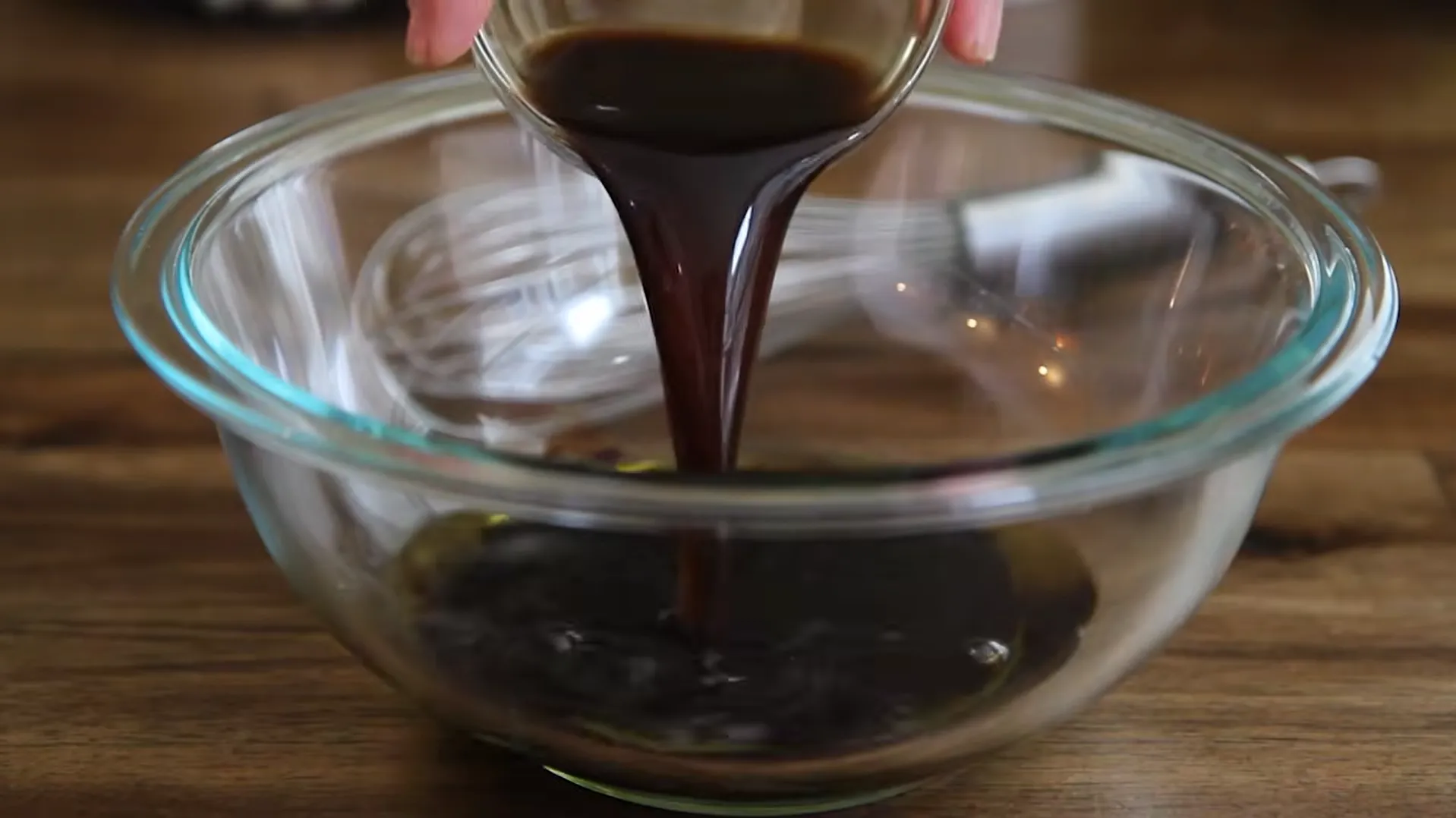
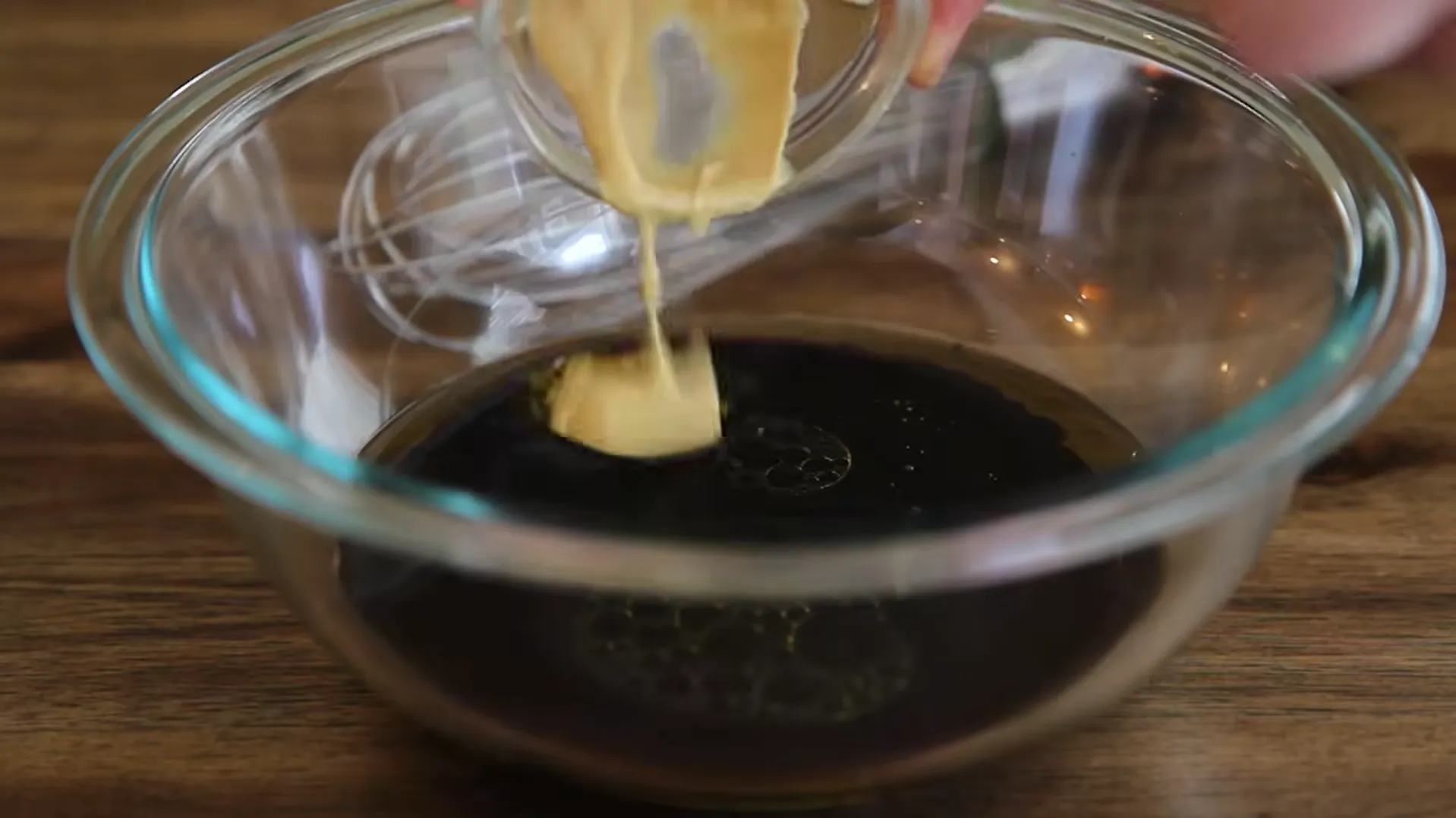
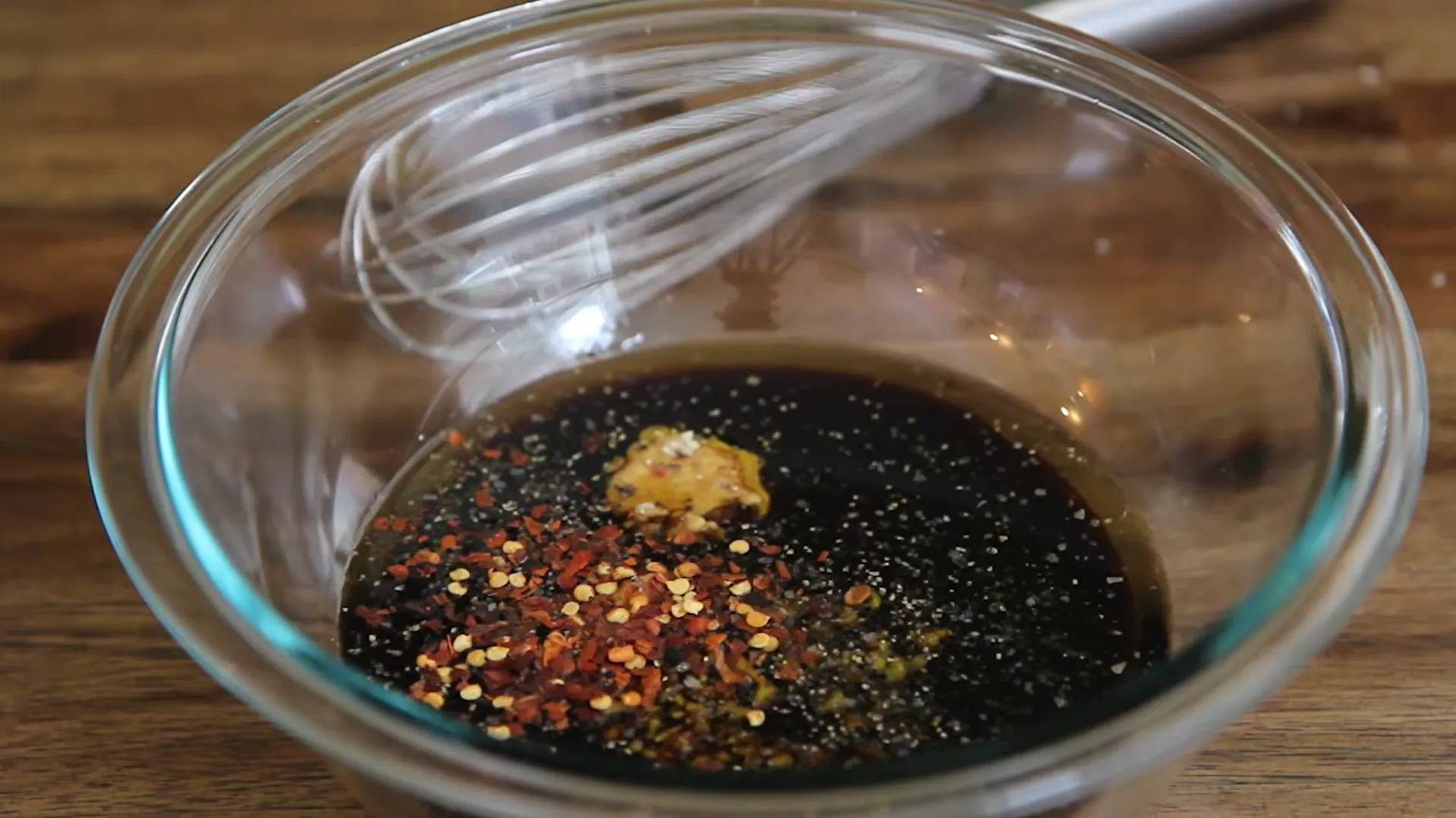
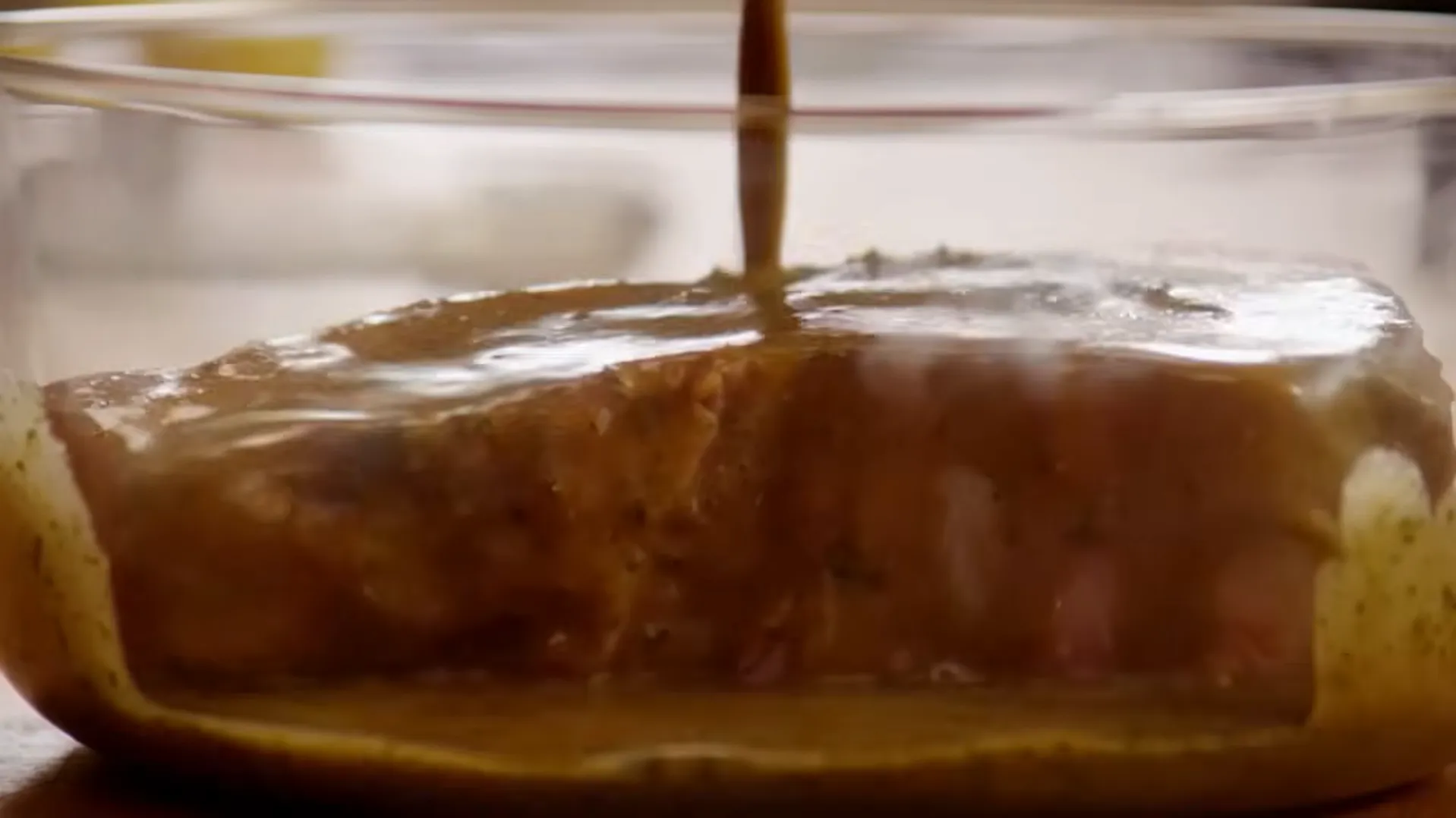
At this point, your marinade is ready to use.
Marinating properly isn’t just about soaking the meat the right container, correct timing, and proper refrigeration all matter.
Use a glass baking dish, ceramic dish, or a heavy duty zip top freezer bag. Avoid aluminum since the marinade’s acidity can react with the metal and affect flavor and appearance.
Lay the steak in a single layer and pour the marinade evenly over it making sure every surface is coated. In a baking dish turn the steak a few times with tongs to coat all sides. In a freezer bag press out as much air as possible before sealing less trapped air means better contact between meat and marinade.
Refrigerate immediately. Never marinate at room temperature bacteria multiply quickly outside the fridge.
Tender cuts (ribeye, filet mignon, New York strip, porterhouse, T-bone) 2-4 hours. These cuts are already tender thanks to marbling, so the goal here is flavor, not tenderizing.
Medium-tender cuts (top sirloin, tri-tip, flat iron) 4–6 hours. Enough time to add flavor while keeping the meat juicy.
Tougher cuts (flank, skirt, hanger, chuck): 6–12 hours. The extra time both boosts flavor and softens the outer muscle fibers.
Should you marinate overnight? Yes, for tougher cuts but stay under 24 hours, especially with acidic marinades containing lemon juice or vinegar. Too much time with too much acid turns the exterior mushy instead of tender.
About 30-45 minutes before cooking pull the steak from the fridge so it can warm slightly this helps it cook more evenly from edge to center.
Remove it from the marinade and shake off the excess. A light coating is enough; too much liquid causes flare-ups and gets in the way of a good sear. Discard any marinade that touched raw meat unless you boil it thoroughly first. Pat the surface dry with paper towels if needed a drier exterior sears far better than a wet one.
Charcoal grill: Many steak lovers consider this the gold standard natural lump charcoal hits high temperatures and adds a smoky aroma. For more expert grilling techniques and outdoor recipes, check out our BBQ & Grilling Guides.
Gas grill: Convenient and consistent with quick preheating precise temperature control and easy cleanup ideal for a weeknight steak.
Cast iron skillet: No outdoor grill? A screaming hot cast iron pan gets you restaurant quality results indoors. Finish thicker cuts in the oven if needed.
Experienced grillers rarely cook entirely over direct flame. Instead they build:
This gives you far more control over final doneness.
One of the most common beginner mistakes is flipping the steak constantly. Instead:
Place the steak on the hot grill and leave it undisturbed for 3-4 minutes. Once the crust naturally releases from the grate, flip once and cook another 3-4 minutes on the other side. For steaks thicker than 1½ inches move them to indirect heat to finish reaching your target internal temperature.
That beautiful brown crust isn’t just burned meat it’s the Maillard reaction in cooking a chemical process where proteins and natural sugars react under high heat to create hundreds of new flavor compounds. A dry surface and high heat are both essential for getting this right.
The most reliable way to check doneness is a digital instant-read thermometer, inserted into the thickest part of the steak, Always refer to USDA safe meat temperature guidelines to ensure your meat is cooked safely. away from bone or large pockets of fat.
| Doneness | Pull from Grill | Final Temp After Rest |
| Rare | 120°F (49°C) | 125°F (52°C) |
| Medium Rare | 130°F (54°C) | 135°F (57°C) |
| Medium | 140°F (60°C) | 145°F (63°C) |
| Medium Well | 150°F (66°C) | 155°F (68°C) |
| Well Done | 160°F (71°C)+ | 165°F (74°C)+ |
Remember: steak keeps cooking after it comes off the grill. This is called carryover cooking, and it’s why you pull steak a few degrees before your true target.
Cutting into a steak right off the grill is one of the biggest mistakes people make. Let it rest for 8–10 minutes on a warm plate or wooden cutting board. During this time, juices redistribute, muscle fibers relax, and moisture stays in the meat instead of pooling on the board. Cover loosely with foil if you like but don’t wrap it tightly trapped steam will soften your crust.
For cuts like flank, skirt, and hanger steak, always slice against the grain cutting across the muscle fibers shortens them and makes every bite noticeably more tender. Premium cuts like ribeye and strip steak are more forgiving, but clean slicing still improves the presentation.
Garlic Butter Herb Marinade -Swap half the olive oil for clarified butter double the rosemary and thyme, and bump the garlic up to eight cloves. Excellent with ribeye and New York strip.
Smoky Bourbon Marinade – Add 2 tablespoons bourbon, 1½ tablespoons dark brown sugar, and 1 teaspoon smoked paprika. The bourbon adds depth while the sugar builds a richer caramelized crust.
Tex Mex Fajita Marinade -Replace the Worcestershire with fresh lime juice and add 1 tablespoon ground cumin 1 teaspoon smoked paprika 1 minced jalapeno and 1 teaspoon chili powder. Perfect for flank or skirt steak in warm tortillas.
Asian-Inspired Marinade -Add fresh grated ginger, sesame oil, honey, and green onions, then finish with toasted sesame seeds after grilling.
Unused marinade that hasn’t touched raw meat keeps in an airtight glass jar in the fridge for up to 14 days just shake well before using, since natural separation is normal. Marinated raw steak should be cooked within 24 hours for best quality. You can also freeze steak directly in its marinade for up to 3 months as it thaws in the fridge, it marinates at the same time, which makes meal prep effortless.
Per serving (marinade only):
Actual values will vary based on the ingredients used and how much marinade remains on the steak after cooking.
Ingredients: ½ cup soy sauce, ¼ cup olive oil, 2 tbsp Worcestershire sauce.
Best for: Flank, sirloin, or strip steak.
Ingredients: Soy sauce, Worcestershire, seasoned salt, lemon juice, garlic powder, olive oil, and a dash of hot sauce.
Vibe: Bold, tangy, and classic ranch-style comfort.
Ingredients: Olive oil, crushed garlic, fresh rosemary/thyme, black pepper, and a splash of soy sauce (or balsamic vinegar).
Tip: Ribeye is naturally tender and rich keep acid low so you don’t ruin the fat marbling.
Mix: ¼ cup soy sauce, 3 tbsp olive oil, 1 tbsp Worcestershire, 1 minced garlic clove.
Marinate: 30 minutes to 2 hours.
Ingredients: ½ cup soy sauce, ⅓ cup olive oil, ¼ cup brown sugar, 2 tbsp Worcestershire sauce, 1 tbsp smoked paprika, 2 crushed garlic cloves.
Flavor Profile: Smoky, sweet, and savory perfect for high-heat charcoal grilling.
Ingredients: Olive oil, fresh rosemary leaves (bruised), red wine vinegar, garlic, salt, and freshly cracked black pepper.
Signature Move: Drizzle extra marinade/oil over the hot resting steak after cooking.
Ingredients: Soy sauce (salt), balsamic vinegar or lime juice (acid), olive oil, garlic, and 1 tsp meat tenderizer or grated fresh papaya/pineapple (enzymes).
How it works: Acid breaks down tough muscle fibers on cheap cuts (like skirt or hanger steak).
Ingredients: 3 tbsp soy sauce, 1 tbsp pineapple juice, 1 tbsp olive oil, 1 tsp Worcestershire sauce.
Time: 15 to 30 minutes MAX. (Do not exceed 30 mins or the fruit enzymes will turn the meat mushy).
Final Thoughts
A great steak starts long before it ever touches the grill. Choosing the right cut, building a balanced marinade, giving it enough time to work, and cooking over properly heated grates all come together to create an unforgettable meal.
This versatile steak marinade delivers bold flavor, improves tenderness, and helps build the rich, caramelized crust that makes grilled beef so satisfying. Whether you’re prepping a premium ribeye for a special dinner or turning an affordable flank steak into your next backyard BBQ favorite, the techniques in this guide will help you get consistent, restaurant-quality results every time.
Experiment with different herbs, spices, and marinade variations to find what suits your taste and don’t skip the finishing touches: a properly rested steak, a sharp carving knife, and your favorite sides. With a little practice, you’ll be serving up juicy, flavorful steaks that people keep asking you to make again. Happy grilling.
