
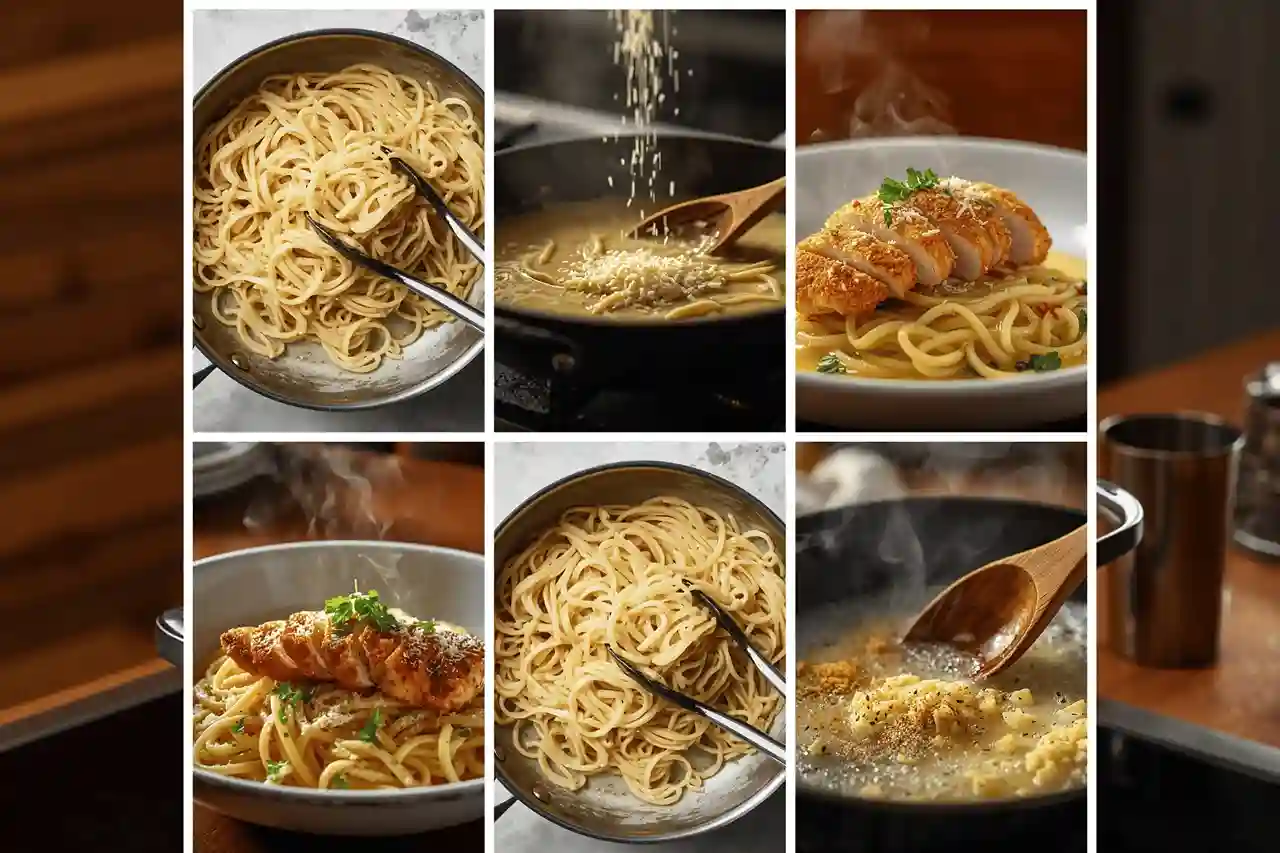
If you have ever craved the warm, garlicky, buttery pasta from your favorite fast-casual restaurant and wondered how to recreate it at home, this Noodles & Company buttered noodles recipe gives you everything you need. The original dish is simple in concept but relies on a few specific techniques that most home cooks overlook. This guide covers the complete recipe, the parmesan-crusted chicken that turns it into a full meal, expert tips that elevate the flavor, and every variation worth trying.
| Recipe Detail | Information |
|---|---|
| Prep Time | 10 Minutes |
| Cook Time | 15 Minutes |
| Total Time | 25 Minutes |
| Difficulty | Easy |
| Servings | 4 |
| Taste | Buttery, Garlic Parmesan |
| Best Pasta | Egg Noodles or Fettuccine |
| Protein Option | Parmesan-Crusted Chicken |
| Best For | Quick Dinner, Comfort Food |
| Main Ingredients | Butter, Parmesan, Garlic, Pasta |
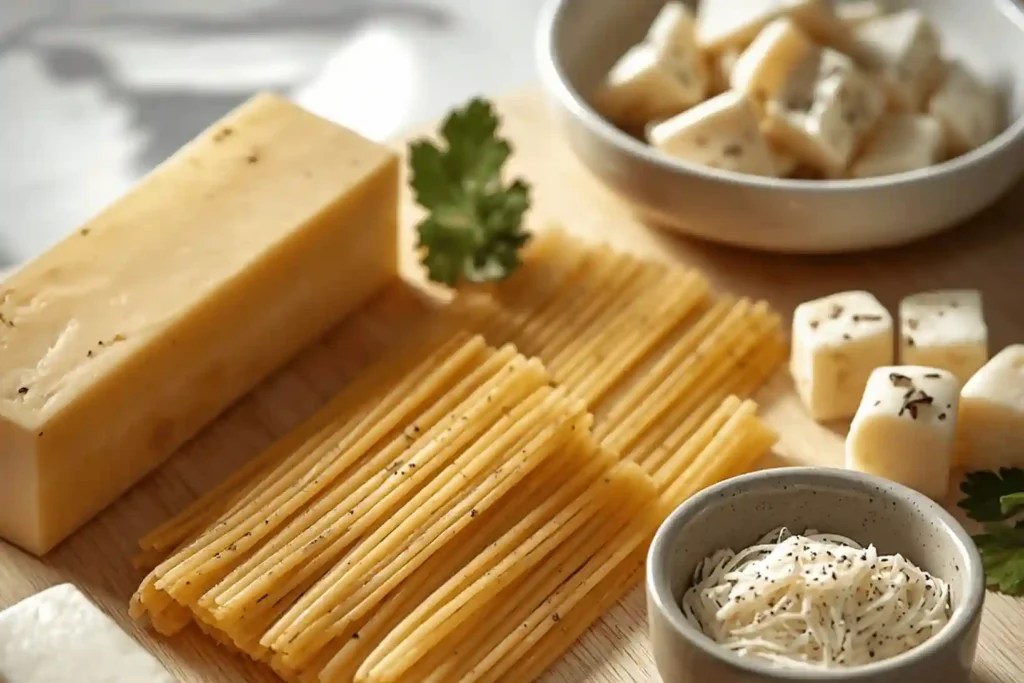
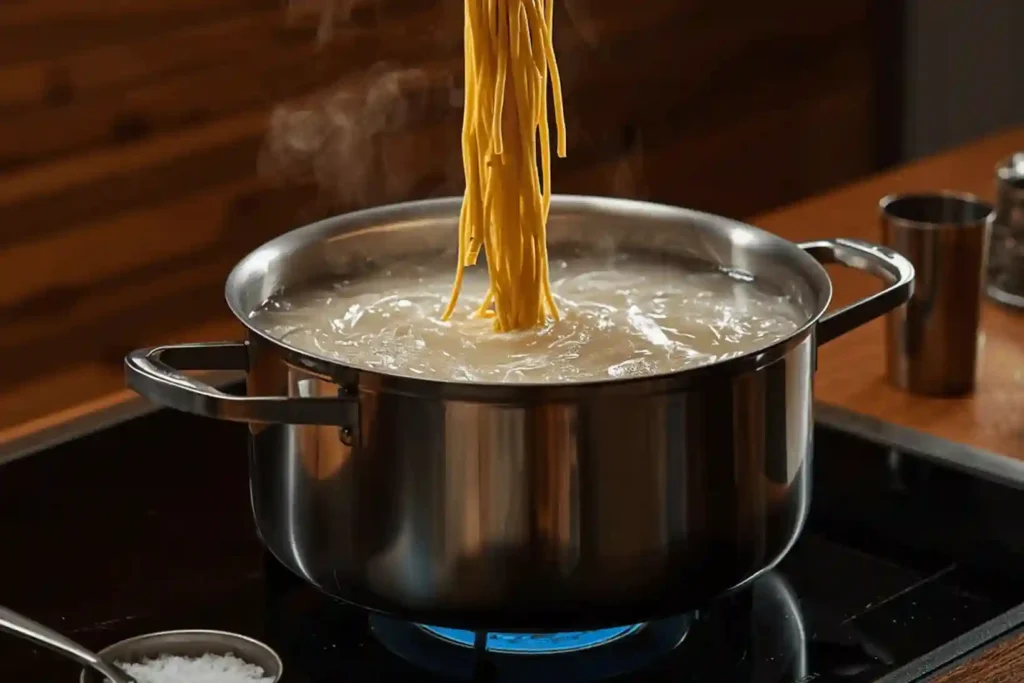
Bring a large pot of water to a full rolling boil before adding your pasta. The water must be generously salted; it should taste like mild ocean water. This is the single most important step for flavor because pasta absorbs salt from the cooking water as it cooks. Once the water is boiling, add your pasta and cook it until just al dente, which means it still has a very slight firmness at the center when you bite into it. For egg noodles this usually takes 6 to 8 minutes, and for fettuccine or spaghetti it is typically 9 to 11 minutes depending on thickness. Before draining, scoop out at least half a cup of pasta water and set it aside. Drain the noodles but do not rinse them. Rinsing removes the surface starch that helps sauce cling to pasta.
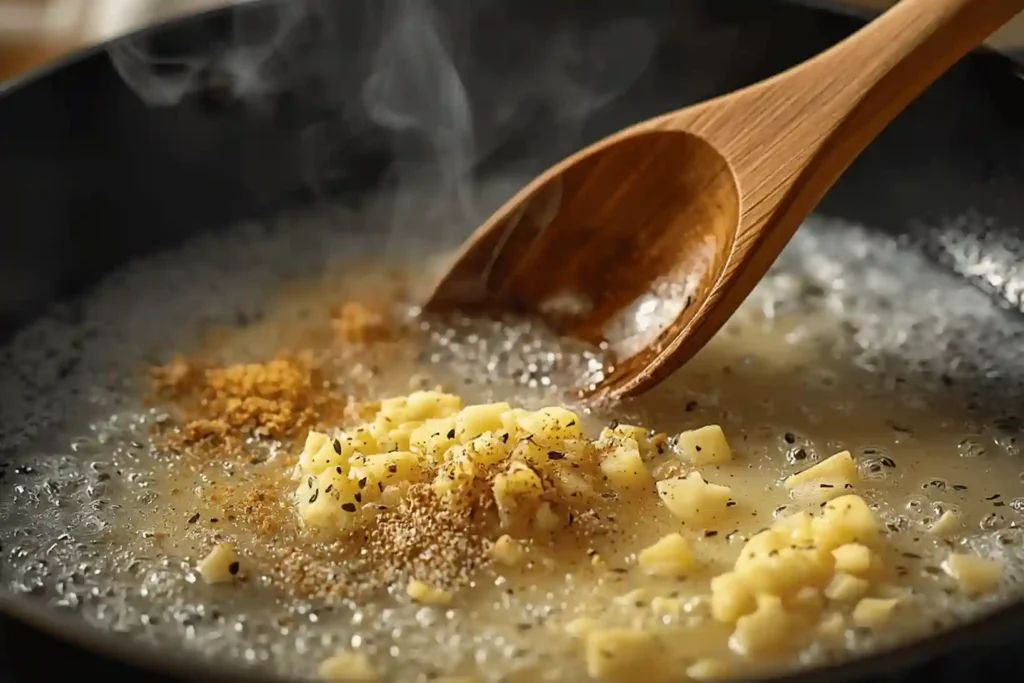
While the pasta drains, melt the butter in a large skillet or saute pan over medium-low heat. You want the butter to melt gently rather than sizzle aggressively. Once the butter is fully melted and beginning to foam slightly, add the minced garlic. Cook the garlic for 60 to 90 seconds only, stirring constantly. You want the garlic to turn fragrant and very lightly golden but not brown. Browned or burnt garlic becomes bitter and sharp, which will overpower the delicate butter flavor the dish depends on. Add the Italian seasoning at this stage and stir it into the butter so the herbs bloom in the fat and release their aroma. Reduce the heat to low before proceeding.
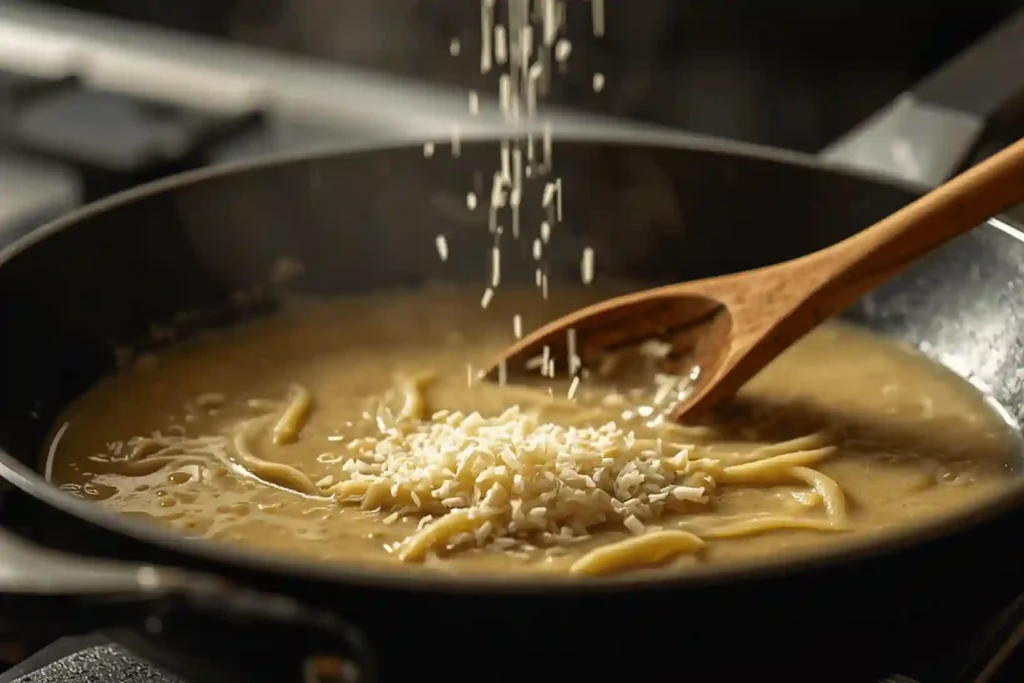
With the heat on low, add the freshly grated parmesan cheese to the pan in two or three stages rather than all at once. Adding it gradually while stirring allows each addition to melt smoothly into the butter before the next goes in. If the heat is too high, the cheese proteins seize up and become grainy or clumped instead of melting into a smooth sauce. Splash in two to three tablespoons of the reserved pasta water and stir continuously. The starchy water helps the cheese emulsify with the butter into a cohesive, glossy sauce rather than separating into greasy pools.
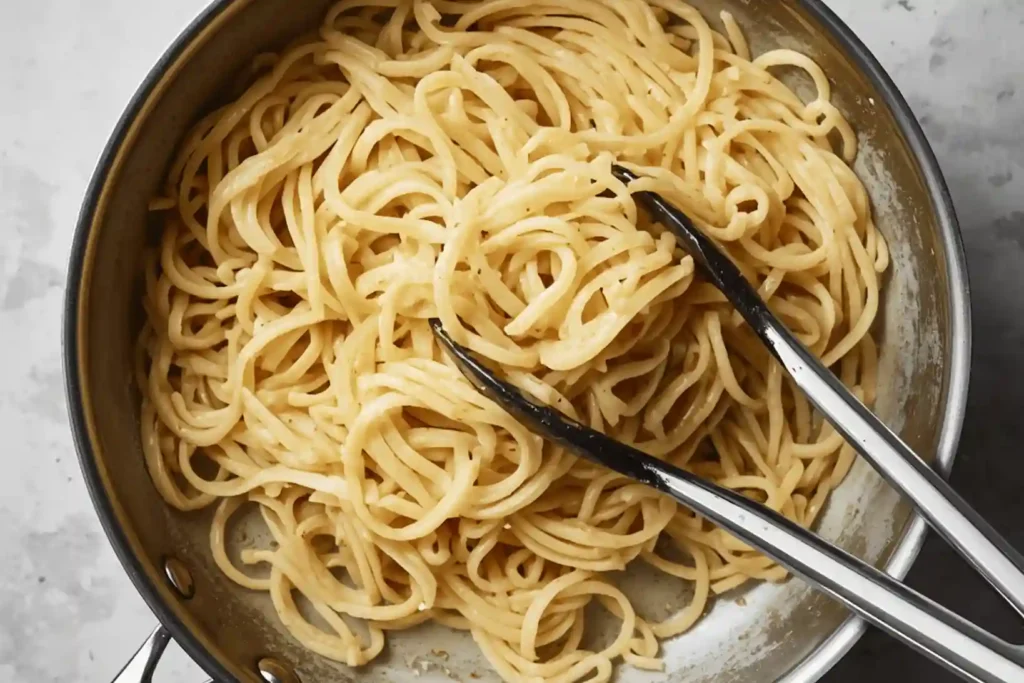
Add the drained pasta directly into the pan with the garlic-parmesan butter sauce. Use tongs or two large forks to toss the noodles thoroughly, ensuring every strand gets coated. If the sauce looks too thick or the noodles are sticking together, add more reserved pasta water one tablespoon at a time and keep tossing. The pasta water will loosen the sauce while keeping it silky and flavorful rather than watery. Season with salt and black pepper to taste at this point. Taste the dish before adding salt because the parmesan and salted pasta water already contribute significant saltiness.
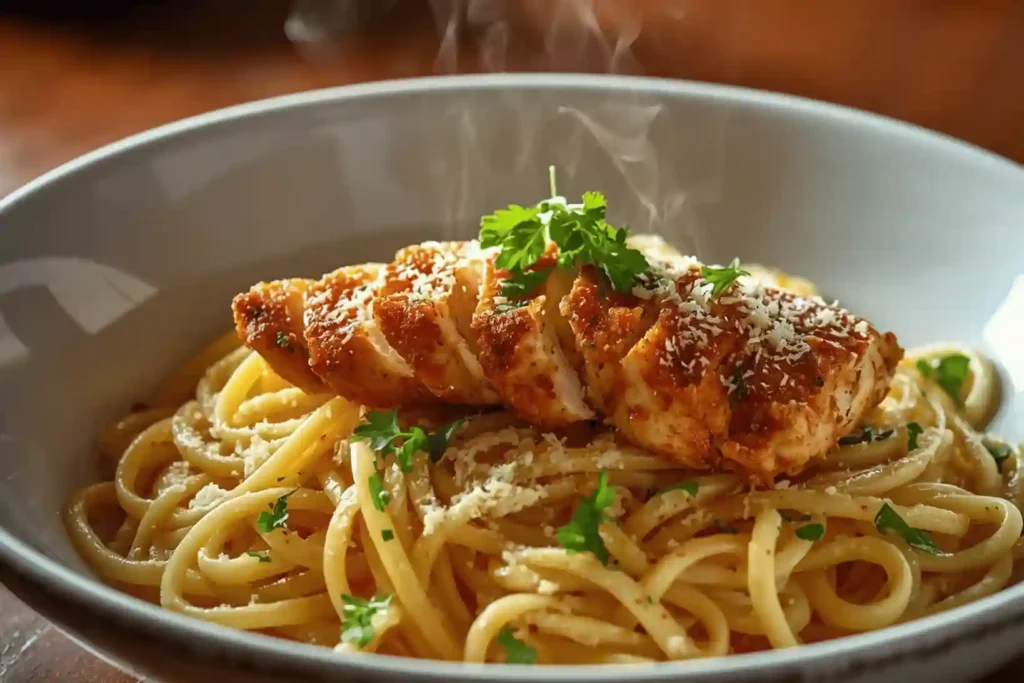
Transfer the buttered noodles to warm bowls or a large serving dish immediately. For the best experience, serve right away while the sauce is still loose and glossy. A sprinkle of freshly chopped parsley adds color and a mild fresh contrast to the richness. A pinch of red pepper flakes adds a subtle heat that balances the butter beautifully. An extra dusting of finely grated parmesan on top finishes the dish with the kind of presentation you expect from a restaurant. If you are adding parmesan-crusted chicken, slice it and arrange it on top of the noodles just before serving.
The restaurant version is good for what it is: a quick, consistent, affordable meal made at high volume. But the home version described here is better in nearly every measurable way. The first advantage is richer butter flavor. Real unsalted or lightly salted butter from a quality brand has a depth that restaurant butter blends cannot match. When you melt four full tablespoons into the sauce at home, the result is noticeably more indulgent.
The second advantage is fresher Parmesan. Pre-grated or pre-shredded parmesan used in high-volume kitchens contains anti-caking agents that prevent proper melting. When you buy a wedge of real Parmigiano-Reggiano and grate it yourself, the texture becomes genuinely creamy rather than grainy or dusty. The difference in flavor is significant.
At home, you also control the seasoning completely. You can increase the garlic, add more Italian herbs, or balance the salt to your preference. The restaurant version is calibrated for the average customer, which means it is often underseasoned for those who prefer bold flavor. You can also achieve a creamier texture at home because you control the pasta water ratio and the heat precisely. Restaurant pasta often sits under lamps or in holding trays, which dries out the sauce. A home plate goes from pan to bowl in seconds, preserving the glossy, silky consistency that makes buttered noodles genuinely satisfying.
Pre-shredded parmesan from a bag contains cellulose, which is a wood-pulp-derived anti-caking powder. While it prevents clumping in the bag, it also coats each strand of cheese and prevents it from melting cleanly. When you add pre-shredded cheese to a hot pan, you get a gritty, pasty result instead of a smooth, creamy sauce. Always buy a block of authentic Parmigiano-Reggiano or a high-quality domestic parmesan and grate it fresh using the fine side of a box grater or a microplane. The texture difference in the final sauce is dramatic.
Most home cooks dramatically undersalt their pasta water. The water should be salty enough that you can taste it clearly — roughly one to two tablespoons of kosher salt per gallon of water. Pasta is dense and starchy, and it absorbs seasoning during the cooking process. If the water is bland, the noodles themselves will be bland no matter how much butter and cheese you add afterward. Properly salted water means the flavor is built into the pasta itself, and the sauce enhances rather than compensates.
Pasta water is liquid gold in this recipe. It contains dissolved starch from the cooking noodles, which acts as a natural emulsifier. When you add starchy pasta water to butter and cheese, it binds them together into a cohesive sauce rather than allowing them to separate into grease and dry solids. Always reserve at least half a cup before draining. You may not need all of it, but having it available lets you adjust sauce consistency on the fly without diluting flavor.
Parmesan is a hard, aged cheese with concentrated proteins. When exposed to high heat, those proteins contract and clump rather than melt. Always reduce the heat to low before adding parmesan to the pan, and stir constantly as you add it in stages. If you notice the cheese beginning to form strings or lumps, remove the pan from heat entirely while continuing to stir. The residual heat from the pan and the pasta is sufficient to melt the cheese fully without overcooking it.
A common technique in professional kitchens is to finish a pasta dish with one additional tablespoon of cold butter stirred in just before serving. This is called mounting with butter, and it creates the glossy, restaurant-quality sheen you see on professionally plated pasta. The cold butter emulsifies into the hot sauce and adds a final layer of richness and visual appeal. It takes ten seconds and makes a visible difference.
Egg noodles are the closest match to the texture you get at Noodles and Company. They have a softer, more tender bite than semolina pasta and a subtle richness from the egg content in the dough. Their wide, flat shape catches the butter sauce in every fold, and their slightly porous surface absorbs garlic and herb flavor deeply. Egg noodles also cook quickly, which makes them practical for a weeknight meal. They are the first choice for this recipe.
Fettuccine is the most restaurant-style option among traditional Italian pasta shapes. Its wide, flat ribbon structure holds thick, buttery sauces exceptionally well and gives each bite a satisfying chew. Dried fettuccine from a quality brand cooks to al dente in about 10 to 12 minutes, while fresh fettuccine from the refrigerated section takes only 2 to 3 minutes. If you want the closest approximation to a polished restaurant plate, fettuccine is the right choice.
Spaghetti is the most widely available and budget-friendly option. While it is thinner and rounder than fettuccine, it works well in this recipe because the garlic butter sauce is light enough to coat each strand without weighing it down. Spaghetti cooks evenly, is forgiving for beginners, and produces consistent results. It is not the ideal shape for this dish, but it is a perfectly acceptable and accessible alternative that most households already have on hand.
Linguine sits between spaghetti and fettuccine in both width and sauce-holding capacity. Its slightly flattened oval cross-section creates more surface area than round spaghetti, which means more contact with the garlic butter sauce per strand. Linguine has a firm chew and holds its texture well even after tossing in a hot pan. It is an excellent middle-ground choice that produces a result closer to fettuccine without requiring a special shopping trip.
Buttered noodles on their own are a satisfying side dish or a simple comfort meal, but adding parmesan-crusted chicken transforms the dish into a complete, protein-rich dinner. The crispy, golden crust of the chicken contrasts beautifully with the soft, buttery noodles, and the parmesan in both components creates a cohesive flavor profile across the entire plate. This combination closely mirrors what Noodles & Company serves as one of its most popular protein pairings, and it is the reason so many people search specifically for the parmesan-crusted chicken Noodles & Company version of this recipe.
2 boneless, skinless chicken breasts Half a cup of freshly grated Parmesan cheese, half cup panko breadcrumbs 1 tsp garlic powder Half tsp dried Italian seasoning Half a teaspoon of salt Quarter tsp. black pepper. 1 egg, beaten 2 tbsp olive oil or avocado oil
Season the chicken breasts with salt, pepper, and garlic powder on both sides. If the breasts are thick, butterfly them by slicing horizontally so each piece is roughly half an inch thick. Thin, even pieces cook through quickly and produce a uniform crust without burning on the outside before the center is done.
Coat each piece by dipping it first into the beaten egg, allowing the excess to drip off, then pressing it firmly into the parmesan and panko mixture. The combination of egg protein and the parmesan-panko blend creates a crust that adheres well and crisps up evenly in the pan. Press the coating on with your palm so it sticks to the surface thoroughly.
Fry the coated chicken in a skillet over medium-high heat with the oil. Cook for 3 to 4 minutes per side without moving the chicken during cooking. Disturbing the crust before it sets causes it to tear away from the meat. The internal temperature should reach 165 degrees Fahrenheit for food safety. A meat thermometer is the most reliable tool for confirming doneness without cutting into the chicken and losing juices.
Rest the cooked chicken on a cutting board for 3 to 5 minutes before slicing. Resting allows the internal juices to redistribute through the meat rather than running out when you cut it. Skipping this step results in a drier, less flavorful piece of chicken.
Slice the rested chicken diagonally into half-inch strips. Diagonal cuts increase the surface area of each piece and create a more appealing presentation when fanned out across the top of the buttered noodles with chicken. Arrange the sliced chicken directly on top of the plated noodles and serve immediately.
This is the single most common reason home cooks get a grainy or clumpy sauce instead of a smooth, creamy one. The anti-caking agents in pre-shredded cheese physically prevent the strands from melting together. No amount of heat or stirring will fix a sauce made with bagged cheese. Always grate fresh from a block.
Mushy pasta cannot hold its structure when tossed in a hot pan and will break apart during the coating process. Overcooked noodles also absorb sauce unevenly and produce a gummy, starchy result. Always pull the pasta from the water when it is still slightly firm at the center, knowing that it will continue cooking briefly from residual heat when added to the pan.
Without starchy pasta water, the butter and cheese separate. The sauce becomes greasy rather than silky, and the noodles end up coated in fat rather than a unified emulsified sauce. This step is not optional if you want restaurant-quality results.
Garlic goes from fragrant and golden to bitter and acrid in less than 30 seconds over medium heat. Once garlic burns, no other ingredient can mask the bitterness. Watch the pan constantly during the garlic stage and have your next ingredient ready to add the moment the garlic becomes fragrant.
High heat causes the protein in Parmesan to seize and clump immediately. This produces a stringy, broken sauce that is impossible to fix. Always reduce the heat to low before adding cheese, and if you are uncertain, remove the pan from the burner entirely and use only the residual heat.
To amplify the garlic flavor significantly, increase the garlic to five or six cloves and add a quarter teaspoon of garlic powder to the sauce in addition to the fresh minced garlic. The combination of fresh garlic and garlic powder creates two distinct layers of garlic flavor: the sharp, aromatic punch of fresh garlic and the deeper, more rounded sweetness of the dried variety. This variation suits anyone who finds the standard recipe too mild and wants a bolder, more assertive garlic parmesan profile.
For a richer, more indulgent version, add a quarter cup of heavy cream to the garlic butter after the garlic becomes fragrant. Let the cream reduce for one to two minutes over medium heat before adding the parmesan. The cream creates a thick, velvety base that produces a sauce closer to Alfredo than traditional buttered noodles. This variation pairs well with parmesan chicken and noodles because the creamier sauce complements the crispy texture of the chicken crust effectively.
Add half a teaspoon of red pepper flakes to the butter along with the garlic, and finish the dish with a drizzle of chili oil or a pinch of cayenne. The heat cuts through the richness of the butter and cheese and adds complexity without changing the fundamental character of the dish. This version works especially well as a side dish for people who find plain buttered noodles too mild or monotonous.
This variation combines the components of classic chicken parmesan with the simplicity of buttered noodles. Prepare the parmesan-crusted chicken as described above, but before serving, spoon two tablespoons of warm marinara sauce over each portion of plated noodles, place the sliced chicken on top, and add a sprinkle of fresh mozzarella that softens from the heat. This is a chicken parmesan pasta recipe that bridges Italian-American comfort food with the straightforward appeal of buttered noodles.
Increase the Italian seasoning to two teaspoons and add a pinch of dried basil and dried oregano separately. Finish the dish with a squeeze of fresh lemon juice just before serving. The lemon brightens the entire flavor profile and makes the herbs more vibrant. This version feels lighter and more herb-forward than the standard recipe, and it pairs especially well with simply grilled chicken or a piece of pan-seared fish.
Garlic bread is the most natural companion for buttered noodles because both dishes share the same core flavor profile. A thick slice of toasted Italian bread rubbed with garlic butter and finished under the broiler takes only a few minutes and rounds out the meal substantially.
Caesar salad provides the contrast the dish needs. The crisp romaine, the sharp dressing, and the briny anchovies cut through the richness of the butter and parmesan and refresh the palate between bites. A simply dressed Caesar with real parmesan and house-made croutons is the most effective complement.
Roasted vegetables add color, nutrition, and textural contrast. Broccoli, asparagus, zucchini, and cherry tomatoes all roast well at 425 degrees Fahrenheit in 15 to 20 minutes and can go into the oven while the noodles cook. The caramelized edges of roasted vegetables provide a savory depth that balances the mildness of buttered noodles.
Crispy parmesan chicken is already covered in this guide and is the most popular protein pairing. The crust adds crunch, the chicken adds substance, and the shared parmesan flavors unify the plate.
Grilled chicken is a simpler protein option for those who want something lighter. A lemon-herb marinated chicken breast grilled over medium-high heat until just cooked through pairs cleanly with the buttered noodles without competing for attention.
Allow the buttered noodles to cool to room temperature before transferring them to an airtight container. Stored properly in the refrigerator, they will keep for up to three days. The butter sauce will thicken and solidify slightly when cold, which is normal. The noodles may clump together as they chill, but they will separate again once reheated.
Buttered noodles can be frozen, but the texture changes noticeably after thawing. The pasta becomes softer and the sauce may separate slightly. If you plan to freeze the dish, slightly undercook the pasta before freezing so it does not become too soft after thawing and reheating. Store in a freezer-safe airtight container for up to two months. Thaw overnight in the refrigerator before reheating.
The best way to reheat buttered noodles is in a skillet over low heat with a splash of water, broth, or reserved pasta water. Add the noodles to the pan with one to two tablespoons of liquid, cover with a lid for one minute to create steam, then toss everything together until the sauce re-emulsifies and the noodles heat through. This method restores the sauce’s silky texture far better than microwave reheating, which tends to make the noodles dry and the butter greasy. If you use a microwave, add a small amount of water, cover the bowl, and use medium power in 30-second intervals, stirring between each.
The restaurant uses a proprietary blend that includes Italian seasoning, garlic, salt, and black pepper as its base components. The garlic-parmesan butter sauce in their buttered noodles contains real butter, parmesan cheese, and garlic seasoning. The copycat recipe in this guide closely replicates that flavor profile using Italian seasoning, fresh garlic, parmesan, and standard pantry spices. Many home cooks find the homemade version more flavorful because they can use fresher, higher-quality individual ingredients.
Yes. The creaminess in buttered noodles does not require cream at all. The combination of good butter, freshly grated parmesan, and starchy pasta water creates a naturally creamy emulsified sauce through a purely physical process. The key is using enough pasta water and adding the cheese over low heat while stirring constantly. If you want even more creaminess without dairy cream, a small spoonful of cream cheese or mascarpone stirred in at the end provides a rich, velvety texture without heavy cream.
Egg noodles are the best match for the Noodles and Company style. Fettuccine is the best choice if you want a more traditional Italian texture and presentation. Spaghetti and linguine are reliable alternatives that most people have readily available. Avoid very thin pasta like angel hair, which does not hold up well to tossing in a hot pan and overcooks quickly.
Absolutely. Chicken is the most popular protein addition to this recipe. Parmesan-crusted chicken is the version closest to what the restaurant serves and is fully detailed in this guide. Grilled chicken, rotisserie chicken, or pan-seared chicken breast all work well and can be prepared in advance to make the meal faster on a busy night.
Clumping almost always comes from one of two causes: using pre-shredded cheese with anti-caking agents or adding the cheese over heat that is too high. Use freshly grated parmesan from a block, reduce the heat to low before adding the cheese, and stir continuously as you add it in small stages rather than all at once. Adding a tablespoon of pasta water before the cheese also helps the sauce stay fluid and cohesive.
The garlic butter sauce can be made ahead and stored in the refrigerator for up to three days. Reheat it gently in a pan over low heat before adding freshly cooked pasta. The pasta itself is best cooked fresh because reheated noodles lose their ideal texture. If you need to prep the entire dish ahead, slightly undercook the pasta so it does not become too soft when reheated.
This is one of the most reliably kid-friendly pasta recipes available. The flavor is mild, buttery, and cheesy without being spicy or strongly herb-forward. For younger children, you can omit the red pepper flakes and reduce the garlic to one or two cloves for an even more subtle flavor. Smaller pasta shapes like penne or rotini are also easier for young children to eat than long noodles.
Restaurants use several techniques that home cooks typically skip. They salt the pasta water heavily for deep flavor absorption. They use generous amounts of real butter and finish the dish immediately after tossing so the sauce never dries out. Many also add a small amount of pasta water to keep the sauce emulsified, and they finish with cold butter at the end to create a glossy, restaurant-quality sheen. These are exactly the techniques described in this guide, and applying them at home produces results that match or exceed what you get in a restaurant setting.
Recipe Name: Noodles and Company Buttered Noodles Prep Time: 10 minutes Cook Time: 15 minutes Total Time: 25 minutes Servings: 4 Difficulty: Easy
Ingredients
12 oz pasta or egg noodles 4 tbsp real butter 3 garlic cloves, minced 1 cup freshly grated Parmesan cheese 1 tsp Italian seasoning Salt to taste Black pepper to taste Half cup reserved pasta water
Instructions
Boil a large pot of heavily salted water and cook the pasta until just al dente. Reserve half a cup of pasta water before draining. Melt butter in a large skillet over medium-low heat. Add minced garlic and cook for 60 to 90 seconds until fragrant but not browned. Add Italian seasoning and stir. Reduce heat to low. Add the parmesan in stages, stirring constantly and adding pasta water as needed to form a smooth sauce. Add the drained noodles and toss until fully coated. Season with salt and pepper. Finish with one additional tablespoon of cold butter if desired. Serve immediately with fresh parsley and extra parmesan.
Nutrition (Per Serving, Approximate)
Calories: 480 Protein: 16g Fat: 22g Carbohydrates: 55g Fiber: 2g Sodium: 520mg
Notes
Always use freshly grated parmesan from a block. Pre-shredded cheese ruins the sauce texture. Reserve pasta water before draining—it is essential for the sauce. Keep the heat low when adding cheese to prevent clumping. Finish with cold butter for a glossy restaurant-quality result. Add parmesan-crusted chicken for a complete meal.
Keywords: noodles and company buttered noodles recipe, copycat noodles and company recipe, garlic parmesan buttered noodles, buttered noodles with chicken, parmesan crusted chicken noodles and company
This recipe brings everything that makes Noodles & Company’s buttered noodles so comforting—the garlic, the butter, the parmesan—into your own kitchen with better ingredients and more control over the result. Once you make it at home, it becomes one of those reliable weeknight dinners you return to again and again.

2 Responses
Mashallah is best💯