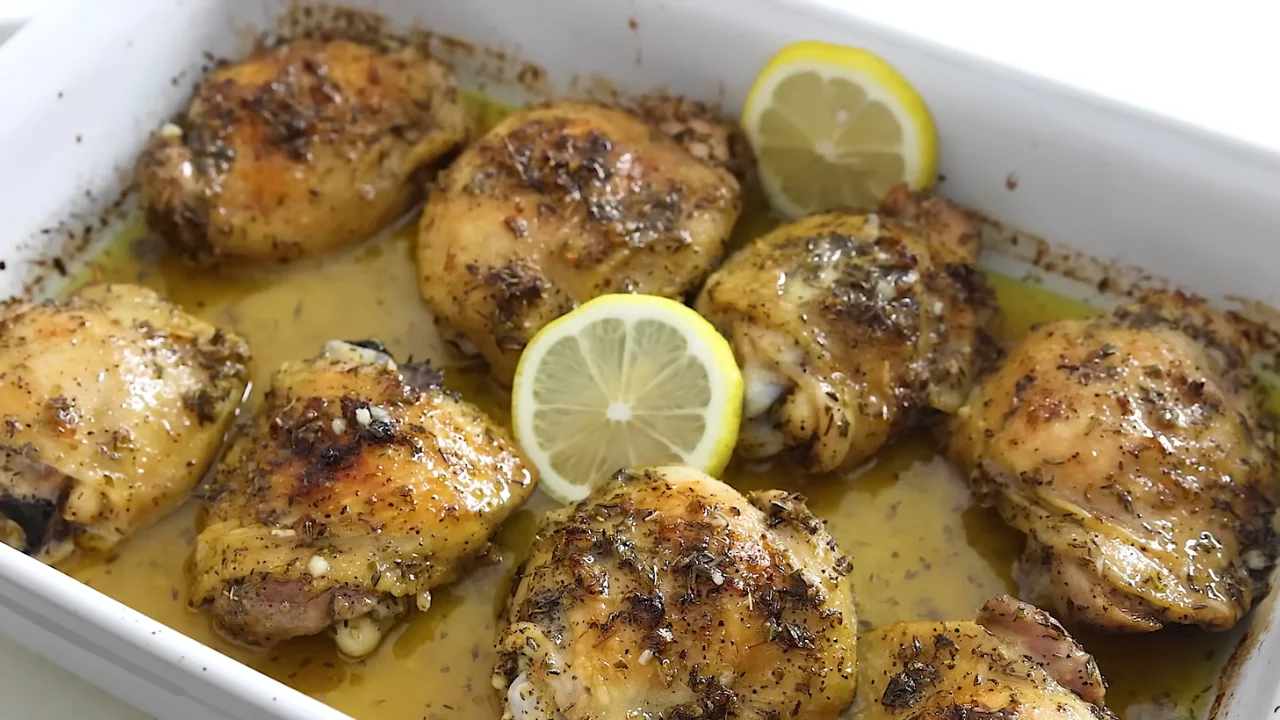
Chicken breast and other lean cuts are popular for a simple reason. They deliver a large amount of protein for a relatively small number of calories, especially when the skin is removed and the cooking method stays light. Protein helps you feel fuller for longer after a meal, which can make it easier to manage overall portion sizes throughout the day.
That said, no single ingredient causes weight loss on its own. What actually matters is the full picture: how the chicken is cooked, what it is paired with, and how big the portions are. This collection of healthy chicken recipes is built around that idea. Each one uses low calorie chicken as the base, then adds vegetables, whole grains, and light sauces so the whole plate stays satisfying without being calorie heavy.
What Makes a Chicken Recipe Actually “Healthy”
A few practical habits separate a lighter chicken dish from a heavier one:
Cut choice matters. Boneless, skinless chicken breast and skinless chicken thigh are leaner than fried cuts or dark meat with the skin left on.
Cooking method matters. Baking, grilling, air frying, and pan searing with a small amount of oil use far less added fat than deep frying or heavy breading.
Portion size matters. A palm sized portion of chicken, roughly 4 to 6 ounces before cooking, is a reasonable serving for most adults, though individual needs vary.
Sauce and seasoning choices matter. Herbs, citrus, garlic, vinegar, and spices add flavor without the extra calories that come from creamy or sugar heavy sauces.
What surrounds the chicken matters. Filling half the plate with vegetables and adding a modest portion of whole grains or legumes creates a more balanced, filling meal.
None of these recipes require special skills. They are written for a home cook who wants something realistic to make on a weeknight.
How to Keep Chicken Meals Lighter Without Making It Feel Restrictive
You do not need to eat plain, dry chicken to eat lighter. A few adjustments go a long way:
Marinate chicken in citrus juice, vinegar, garlic, and herbs instead of oil heavy or sugar heavy marinades.
Use a meat thermometer so chicken is cooked to a safe internal temperature of 165°F without overcooking, which is a common reason chicken breast ends up dry.
Finish dishes with fresh herbs, a squeeze of lemon, or a spoonful of yogurt based sauce instead of pouring on extra oil or heavy cream sauces.
Roast or steam vegetables alongside the chicken so you are not relying on the chicken alone to make the meal feel substantial.
Batch cook chicken at the start of the week so healthier meals are the easy option on busy days, not the inconvenient one.
Approximate nutrition per serving: around 220 to 250 calories and 30 to 33 grams of protein. These figures are approximate and will vary based on the exact size of the chicken breast and amount of oil used.
Tips: Pound the chicken breasts to an even thickness before baking so they cook evenly. A meat thermometer removes the guesswork.
Storage: Keeps in an airtight container in the refrigerator for up to 4 days, or in the freezer for up to 3 months.
Grilled chicken with charred vegetables makes a simple and satisfying healthy chicken meal.
2. Grilled Chicken with Charred Vegetables
Why it works: Grilling adds smoky flavor without needing extra fat, and cooking the vegetables on the grill at the same time keeps this a one pan, easy weeknight meal.
Ingredients
4 boneless, skinless chicken breasts
1 tablespoon olive oil
1 teaspoon smoked paprika
1 teaspoon garlic powder
1 zucchini, sliced
1 red bell pepper, sliced
1 red onion, cut into wedges
Salt and black pepper to taste
Instructions
Preheat the grill or grill pan to medium high heat.
Rub the chicken with olive oil, smoked paprika, garlic powder, salt, and pepper.
Toss the zucchini, bell pepper, and onion with a small amount of oil, salt, and pepper.
Grill the chicken for 6 to 7 minutes per side, until the internal temperature reaches 165°F.
Grill the vegetables for 8 to 10 minutes, turning occasionally, until tender and lightly charred.
Slice the chicken and serve alongside the vegetables.
Approximate nutrition per serving: around 260 to 290 calories and 30 grams of protein.
Tips: Let the grill fully preheat before adding the chicken so it develops good grill marks instead of sticking.
Substitutions: Any firm vegetable works here, including asparagus, mushrooms, or eggplant.
Storage: Store chicken and vegetables separately in the refrigerator for up to 4 days.
Pan seared chicken with garlic and spinach is a simple healthy chicken meal.
3. Pan Seared Chicken with Garlic and Spinach
Why it works: This is a fast, single skillet meal that gets flavor from garlic and a small amount of broth instead of heavy cream, keeping it firmly in low calorie chicken territory.
Ingredients
4 boneless, skinless chicken breasts, pounded to even thickness
1 tablespoon olive oil
4 garlic cloves, minced
5 cups fresh spinach
1/3 cup low sodium chicken broth
Salt and black pepper to taste
Optional: red pepper flakes
Instructions
Season the chicken with salt and pepper.
Heat olive oil in a large skillet over medium high heat.
Sear the chicken for 5 to 6 minutes per side, until golden and cooked through to 165°F. Remove and set aside.
Lower the heat, add garlic, and cook for 30 seconds until fragrant.
Add the spinach and chicken broth, and cook until the spinach wilts, about 2 minutes.
Return the chicken to the pan, spoon the spinach over the top, and serve.
Approximate nutrition per serving: around 230 to 260 calories and 31 grams of protein.
Tips: Do not move the chicken around too much while searing, this helps it develop a good crust.
Substitutions: Kale or Swiss chard can replace spinach with a slightly longer cook time.
Storage: Best eaten fresh, but leftovers keep for up to 3 days in the refrigerator.
Crispy air fryer chicken tenders make an easy and lighter chicken meal.
4. Air Fryer Chicken Tenders
Why it works: These use a light coating instead of deep frying, giving you the texture of a crispy tender without the oil that traditional fried versions absorb.
Ingredients
1.5 pounds chicken breast tenders
1/2 cup whole wheat breadcrumbs
1 teaspoon paprika
1/2 teaspoon garlic powder
1/2 teaspoon onion powder
1 egg, beaten
Cooking spray
Salt and black pepper to taste
Instructions
Preheat the air fryer to 400°F.
In a shallow bowl, mix breadcrumbs, paprika, garlic powder, onion powder, salt, and pepper.
Dip each chicken tender in the beaten egg, then coat in the breadcrumb mixture.
Lightly spray the air fryer basket and arrange the tenders in a single layer.
Spray the tops of the tenders lightly with cooking spray.
Air fry for 10 to 12 minutes, flipping halfway, until golden and cooked through to 165°F.
Approximate nutrition per serving: around 210 to 240 calories and 28 grams of protein.
Tips: Do not overcrowd the air fryer basket, or the coating will steam instead of crisping.
Substitutions: Crushed cornflakes or panko can be used instead of breadcrumbs.
Storage: Refrigerate for up to 3 days. Reheat in the air fryer for a few minutes to restore crispness.
Mediterranean chicken salad with fresh vegetables and grilled chicken for a light and satisfying meal.
5. Mediterranean Chicken Salad
Why it works: This salad leans on fresh vegetables, a light vinaigrette, and lean grilled chicken instead of a heavy dressing or fried topping, so it stays satisfying without being calorie dense.
In a small bowl, whisk together olive oil, red wine vinegar, oregano, salt, and pepper.
In a large bowl, combine the mixed greens, tomatoes, cucumber, and red onion.
Top with sliced chicken and crumbled feta.
Drizzle with the dressing just before serving.
Prep time: 15 minutes Cook time: none if using pre-cooked chicken Total time: 15 minutes Servings: 2
Approximate nutrition per serving: around 320 to 360 calories and 30 grams of protein.
Tips: Add the dressing right before eating so the greens do not wilt if you are meal prepping this for later.
Substitutions: Swap feta for a smaller amount of goat cheese, or leave it out entirely for a lower calorie version.
Storage: Store dressing separately. Salad ingredients keep for up to 2 days in the refrigerator.
Chicken and brown rice power bowl with roasted vegetables for a balanced and satisfying meal.
6. Chicken and Brown Rice Power Bowl
Why it works: This bowl combines lean protein, a whole grain, and roasted vegetables in one balanced plate, which makes it easy to portion and simple to prep ahead of time.
Ingredients
2 cooked chicken breasts, sliced
1.5 cups cooked brown rice
1 cup roasted broccoli
1 cup roasted sweet potato cubes
1/4 cup plain Greek yogurt
1 tablespoon tahini
Juice of 1/2 lemon
1 tablespoon water, to thin the sauce
Salt to taste
Instructions
Roast the sweet potato cubes at 400°F for 20 to 25 minutes, and the broccoli for the last 10 minutes of that time, until both are tender.
Whisk together the Greek yogurt, tahini, lemon juice, water, and salt to make the sauce.
Divide the rice between two bowls.
Top with roasted sweet potato, roasted broccoli, and sliced chicken.
Approximate nutrition per serving: around 480 to 520 calories and 35 grams of protein.
Tips: Cook a larger batch of brown rice and roasted vegetables at the start of the week to make this bowl a quick assembly on busier days.
Substitutions: Quinoa or farro can replace brown rice.
Storage: Store components separately for up to 4 days and assemble just before eating.
Chicken and vegetable soup is a light and comforting option for healthy chicken recipes.
7. Chicken and Vegetable Soup
Why it works: A broth based soup with lean chicken and plenty of vegetables is naturally filling and lower in calories than cream based soups, while still feeling like a complete, warm meal.
Approximate nutrition per serving: around 180 to 210 calories and 24 grams of protein.
Tips: This soup freezes well, so it is a good option to make in a larger batch.
Substitutions: Zucchini, spinach, or peas can be added or substituted for the green beans.
Storage: Refrigerate for up to 4 days or freeze for up to 3 months.
Whole wheat chicken lettuce wraps with seasoned chicken and fresh lettuce for a light and satisfying meal.
8. Whole Wheat Chicken Lettuce Wraps
Why it works: Using lettuce leaves or a whole wheat wrap instead of a large flour tortilla keeps this option lighter while still feeling like a satisfying handheld meal.
Ingredients
2 cooked chicken breasts, shredded or diced
8 large butter lettuce leaves, or 4 small whole wheat tortillas
1/2 cup shredded carrots
1/2 cup thinly sliced cucumber
1/4 cup chopped cilantro
2 tablespoons plain Greek yogurt
1 tablespoon lime juice
1 teaspoon honey
1 teaspoon soy sauce, low sodium
Instructions
In a small bowl, mix Greek yogurt, lime juice, honey, and soy sauce to make the sauce.
Toss the shredded chicken with half of the sauce.
Divide the chicken mixture among the lettuce leaves or tortillas.
Top with carrots, cucumber, and cilantro.
Drizzle with the remaining sauce before serving.
Prep time: 15 minutes Cook time: none if using pre-cooked chicken Total time: 15 minutes Servings: 4
Approximate nutrition per serving: around 190 to 220 calories using lettuce leaves, and 26 grams of protein.
Tips: Keep the lettuce leaves cold and dry so they stay crisp and hold the filling well.
Substitutions: Ground chicken can replace shredded chicken breast for a different texture.
Storage: Store the chicken filling and vegetables separately from the lettuce leaves, and assemble just before eating.
How to Build a Balanced Chicken Meal
A simple way to think about any of the meals above is to picture the plate in three parts:
About a quarter of the plate: a lean protein source, such as 4 to 6 ounces of chicken breast or thigh.
About half the plate: non starchy vegetables, such as broccoli, spinach, peppers, zucchini, or a mixed salad.
About a quarter of the plate: a whole grain or starchy vegetable, such as brown rice, quinoa, or sweet potato, plus a small amount of healthy fat like olive oil, avocado, or nuts.
This is a general guide rather than a strict rule, and individual calorie and protein needs vary based on activity level, body size, and personal goals.
Common Mistakes When Preparing Healthier Chicken Meals
Overcooking the chicken. This is one of the most common reasons chicken breast tastes dry, which then leads to reaching for heavier sauces to compensate. Using a meat thermometer solves this.
Relying on the same seasoning every time. Rotating between citrus, herbs, spice blends, and vinegar based marinades keeps meals from feeling repetitive.
Skipping the vegetables. A plate of chicken alone is rarely as satisfying as a plate that includes vegetables and a modest portion of whole grains.
Underestimating sauce calories. Creamy dressings, sweet glazes, and heavy marinades can add a significant number of calories even in small amounts.
Not planning ahead. Without a batch of cooked chicken or prepped vegetables on hand, it becomes much easier to default to less healthy convenience options during a busy week.
Meal Prep and Storage Tips
Cooked chicken breast generally keeps well in the refrigerator for 3 to 4 days in an airtight container. For longer storage, cooked chicken can be frozen for up to 3 months. When reheating, add a small splash of broth or water to help keep the chicken from drying out. Cooked rice, roasted vegetables, and soups also store and reheat well, which makes batch cooking a practical way to keep healthy chicken recipes on hand throughout the week.
FAQ
Is chicken breast or chicken thigh better for weight loss?
Chicken breast is leaner and generally lower in calories per ounce than chicken thigh. Skinless chicken thigh is still a reasonably lean option and can fit into a balanced diet, but chicken breast is usually the lower calorie choice when portion size is equal.
How much chicken should I eat in one meal?
A common general guideline is about 4 to 6 ounces of cooked chicken per meal, roughly the size of a palm. Individual protein needs vary depending on activity level, body size, and personal goals, so this is a general starting point rather than a fixed rule.
What is the healthiest way to cook chicken?
Baking, grilling, air frying, poaching, and pan searing with a small amount of oil are generally lower in added fat than deep frying or breading in large amounts of oil. The healthiest method often comes down to using minimal added fat and avoiding overcooking.
Can I eat chicken every day and still lose weight?
Weight management depends on overall calorie balance and diet quality, not any single food eaten daily. Chicken can be part of a healthy daily routine when paired with vegetables, whole grains, and reasonable portions, but it does not guarantee weight loss on its own.
How do I keep chicken from drying out when cooking it healthier?
Use a meat thermometer and remove the chicken from heat once it reaches 165°F. Letting the chicken rest for a few minutes before cutting also helps it retain moisture. Pounding chicken breast to an even thickness before cooking helps it cook more evenly.
Are frozen vegetables okay to use in these recipes?
Yes. Frozen vegetables are typically frozen shortly after harvest and retain most of their nutritional value. They are also a convenient, budget friendly option for recipes like the chicken and vegetable soup or the power bowl.
What can I use instead of rice to lower the calories in a chicken bowl?
Cauliflower rice, extra leafy greens, or a smaller portion of a whole grain like quinoa can reduce the overall calorie count of a bowl while keeping it filling, thanks to the added fiber and volume from vegetables.