We all have those days when, after a long and exhausting routine we crave a meal that offers ultimate comfort, rich flavors, and the luxurious feel of dining at a high end Italian restaurant. When it comes to comforting dinner options that satisfy deep culinary cravings nothing beats a perfectly executed Creamy Chicken Alfredo Pasta.
Alfredo pasta is a timeless classic that appeals to everyone, from young children to discerning adults. However, home cooks often mistakenly believe that achieving the velvety emulsified texture found in premium Italian restaurants is impossible at home. Many find that their homemade sauce either turns out too runny or splits and congeals into a greasy mess once it begins to cool.
If you have faced these challenges, don’t worry This comprehensive guide is calibrated to a Medium Difficulty level. This means that by understanding the fundamental culinary science and following the precise techniques detailed below, you will master the art of making a perfectly velvety rich and cohesive Chicken Alfredo Pasta on your very first try.
In this ultimate guide we will look far beyond a basic recipe card. We will explore the historical roots of Alfredo sauce analyze the exact science behind boiling pasta to perfection uncover the secrets to keeping chicken breast incredibly juicy and outline creative variations to expand your dinner repertoire. Let’s dive in:
Table of Contents
The History of Alfredo Sauce: From Rome with Love
The Culinary Science Why This Recipe Works
The Anatomy of the Perfect Alfredo Ingredients Breakdown
Essential Kitchen Tools and Equipment
Step-by-Step Guide: Mastering the Chicken Alfredo
Pro Tips for the Ultimate Creamy Texture
Common Mistakes to Avoid and How to Fix Them
Creative Flavor Variations to Expand Your Menu
Professional Meal Prep, Storage, and Reheating Guide
Frequently Asked Questions (FAQs)
Nutritional Insights and Balancing Your Meal
The History of Alfredo Sauce From Rome with Love
Before lighting up your stove, it is highly beneficial to understand the cultural origins of this legendary dish. Modern variations often load the sauce with heavy heavy cream, cream cheese, and an abundance of garlic. While delicious, this reflects the Americanized evolution of the dish rather than its authentic Italian roots.
The authentic Italian Fettuccine Alfredo was created in Rome in 1980s, by a dedicated restaurateur named Alfredo di Lelio. His pregnant wife was suffering from severe morning sickness and had lost her appetite. Desperate to create something both nourishing and easy to digest, Alfredo took fresh, warm fettuccine pasta and tossed it vigorously with an incredibly generous amount of high quality Parmigiano Reggiano cheese and triple cream butter.
When the hot, starchy cooking water from the pasta combined with the melting butter and finely grated cheese, it created a natural luxurious emulsion. This technique formed a rich, creamy sauce without adding a single drop of actual cream.
When American tourists and Hollywood stars visited Rome in the 1920s, they fell in love with Alfredo’s creation and brought the concept back to the United States. To replicate the rich texture using commercial ingredients, American chefs began adding heavy cream, fresh garlic, and grilled chicken breasts. Today, we will focus on this ultra creamy comforting American style Chicken Alfredo Pasta that has taken the global culinary world by storm.
The Culinary Science Why This Recipe Works
You can find thousands of quick Alfredo recipes across the internet, but this specific recipe is systematically engineered to deliver superior results due to a few crucial culinary principles:
Perfect Emulsification via Starch: Instead of relying solely on dairy fat to thicken the dish this recipe utilizes the power of starch heavy pasta cooking water. This acts as a natural binder that holds the fat molecules and liquid together preventing your sauce from separating into oil and water.
Juicy Chicken Guarantee: Chicken breasts are notorious for drying out quickly when pan seared. By utilizing a uniform pounding technique and high heat searing we seal the natural juices inside while building a beautifully browned flavorful crust on the outside.
Complex Flavor Balancing: An excess of cream and cheese can quickly overwhelm your palate making the dish feel overly heavy after a few bites. We introduce precise amounts of aromatic garlic freshly cracked black pepper and a subtle hint of ground nutmeg to slice through the dairy fat and provide an elegant flavor profile.
The Anatomy of the Perfect Alfredo Ingredients Breakdown
A truly magnificent dish relies heavily on the quality and structural integrity of its core ingredients. Let’s look at what you will need:
Ingredient
Precision Quantity
Exact Role in the Dish
Fettuccine Pasta
400 grams
The classic broad ribbon shape designed to catch and hold heavy sauces perfectly.
Boneless Chicken Breast
500 grams
A clean, lean protein that offers a beautiful textural contrast to the smooth sauce.
Heavy Whipping Cream
2 Full Cups (approx. 500ml)
Provides the rich, velvety liquid base for the contemporary Alfredo style.
Parmigiano-Reggiano
1 Cup (Freshly Grated)
Provides a complex, salty, nutty, and savory umami punch while thickening the sauce.
Unsalted Butter
4 Tablespoons (approx. 60g)
Creates a glossy silkiness, coats the pan aromatics, and adds deep milky flavor.
Fresh Garlic
5-6 Cloves (Finely Minced)
The fundamental aromatic backbone that gives the sauce its signature savory depth.
Extra Virgin Olive Oil
2 Tablespoons
Used for searing the chicken at a high smoke point without burning the butter.
Sea Salt & Black Pepper
To Taste
Essential flavor enhancers; freshly cracked black pepper is mandatory here.
Italian Seasoning Mix
1 Teaspoon
A blend of oregano, thyme, and rosemary to give the chicken an herbaceous profile.
Ground Nutmeg (Jaiphal)
1 Small Pinch
The secret weapon that cuts through heavy fats and adds a faint warm aroma.
Crucial Ingredient Selections:
The Type of Pasta: Fettuccine is highly recommended because its wide surface area allows the thick Alfredo sauce to cling to it evenly. If you cannot find Fettuccine opt for other robust shapes like Penne, Rigatoni, or Pappardelle. (Be sure to explore our dedicated Pasta Recipes section for more styling ideas)
The Golden Rule of Cheese: Never buy pre-shredded or powdered cheese packaged in plastic shakers. These pre-packaged varieties are coated in anti-caking agents (like cellulose) that prevent the cheese from melting cleanly. This leaves your sauce with a gritty, unappealing texture. Buy a solid block of Parmigiano Reggiano and grate it finely using a micro plane just before cooking.
Essential Kitchen Tools and Equipment
To execute a medium difficulty recipe smoothly it helps to organize your kitchen setup in advance. Gather the following essential tools:
Large Stockpot: A massive pot holding at least 4-5 quarts of water. Pasta needs plenty of space to swim freely so it doesn’t clump together.
Heavy Bottomed Skillet: A large, deep skillet (preferably cast iron hard anodized aluminum, or heavy stainless steel). A heavy bottom distributes heat evenly preventing the cream from scorching.
Micro plane Grater: Essential for achieving a feather light fine grate on your hard Parmesan cheese, ensuring it dissolves instantly into the warm cream.
Stainless Steel Kitchen Tongs: The best tool for handling long pasta strands gently and tossing them into the sauce without breaking them.
Meat Mallet or Rolling Pin: Used to flatten the uneven chicken breasts to an identical thickness for uniform cooking.
Step-by-Step Guide Mastering the Chicken Alfredo
Follow these chronological steps closely to ensure a restaurant quality execution.
Prepping and Pounding the Chicken
Chicken breasts naturally feature a thick bulbous end and a thin tapered tail. If cooked in this state the thin end will dry out long before the thick end is cooked safely through.
Place your boneless chicken breasts between two sheets of heavy duty plastic wrap or inside a clean zip top bag.
Using the flat side of a meat mallet or a heavy wooden rolling pin gently pound the thickest sections of the chicken outward. Aim for a completely uniform thickness of roughly 1/2 inch across the entire piece.
Remove the chicken from the plastic. Pat both sides completely dry with a paper towel. Drying the surface is key to getting a rich sear.
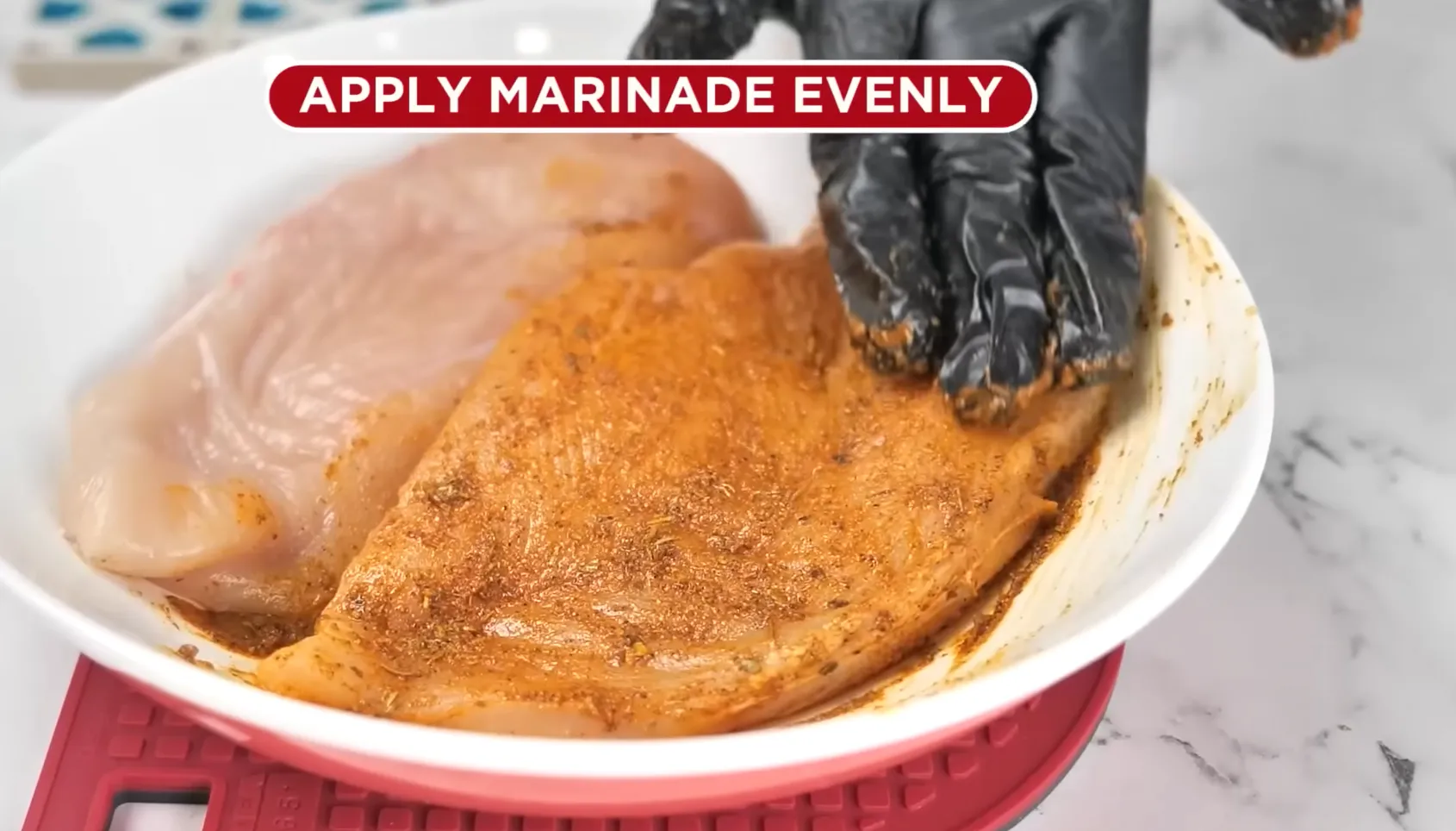
Season both sides generously with sea salt freshly cracked black pepper and the Italian seasoning blend. Let it rest at room temperature for 10 minutes to allow the salt to penetrate the meat.
The Exact Science of Boiling Pasta
Fill your large stockpot with water and bring it to a roaring, aggressive boil over high heat.
Once boiling, add 2 tablespoons of sea salt. As professional chefs say, “The pasta water should taste like the clean sea.” Salt is absorbed by the pasta as it expands seasoning it from the inside out.
Drop your Fettuccine into the boiling water. Do not break the long strands. Stir immediately for the first 30 seconds to prevent the noodles from sticking to the bottom or to each other.
Cook the pasta until it reaches the authentic Al Dente stage. This means the pasta is fully cooked through but still retains a firm distinct bite in the absolute center. This typically takes 8 to 10 minutes depending on the brand.
THE MOST CRITICAL STEP Just before draining the pasta, dip a heat-proof measuring cup into the pot and scoop out 1 full cup of the cloudy, starchy Pasta Cooking Water. Set this liquid aside safely.
Drain the pasta into a colander. Do not rinse the pasta with cold tap water, Rinsing washes away the surface starches that allow the Alfredo sauce to lock onto the noodles.
Searing the Chicken to Maximum Juiciness
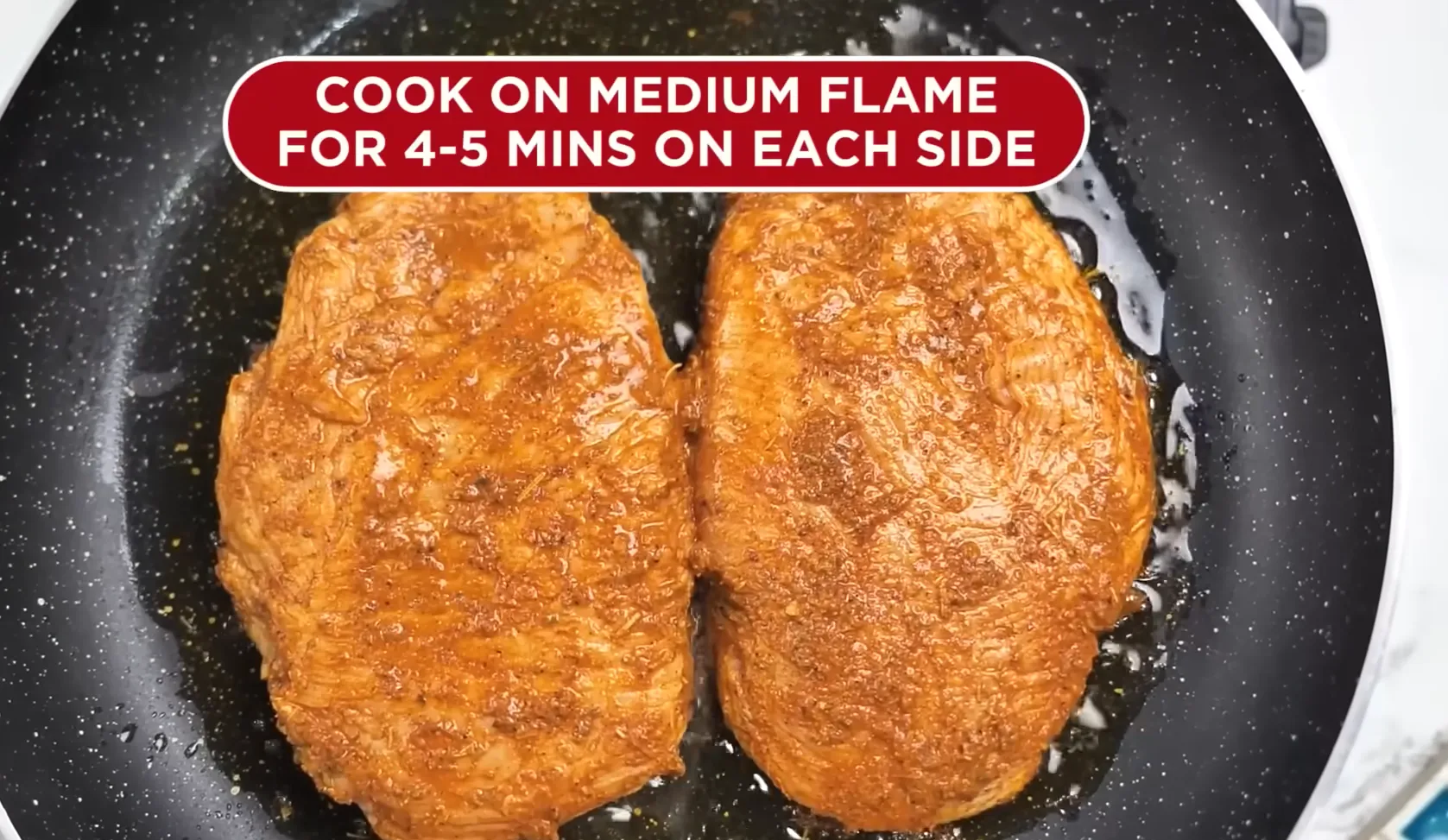
Place your heavy skillet over medium high heat. Add 1 tablespoon of extra virgin olive oil and 1 tablespoon of unsalted butter. The oil raises the burning point preventing the butter solids from turning bitter.
Once the pan is hot and the butter is frothing lay the seasoned chicken breasts down gently.
Leave the chicken completely undisturbed for 5 to 6 minutes. Do not move it flip it or press down on it. This allows a gorgeous deeply caramelized golden crust to develop.
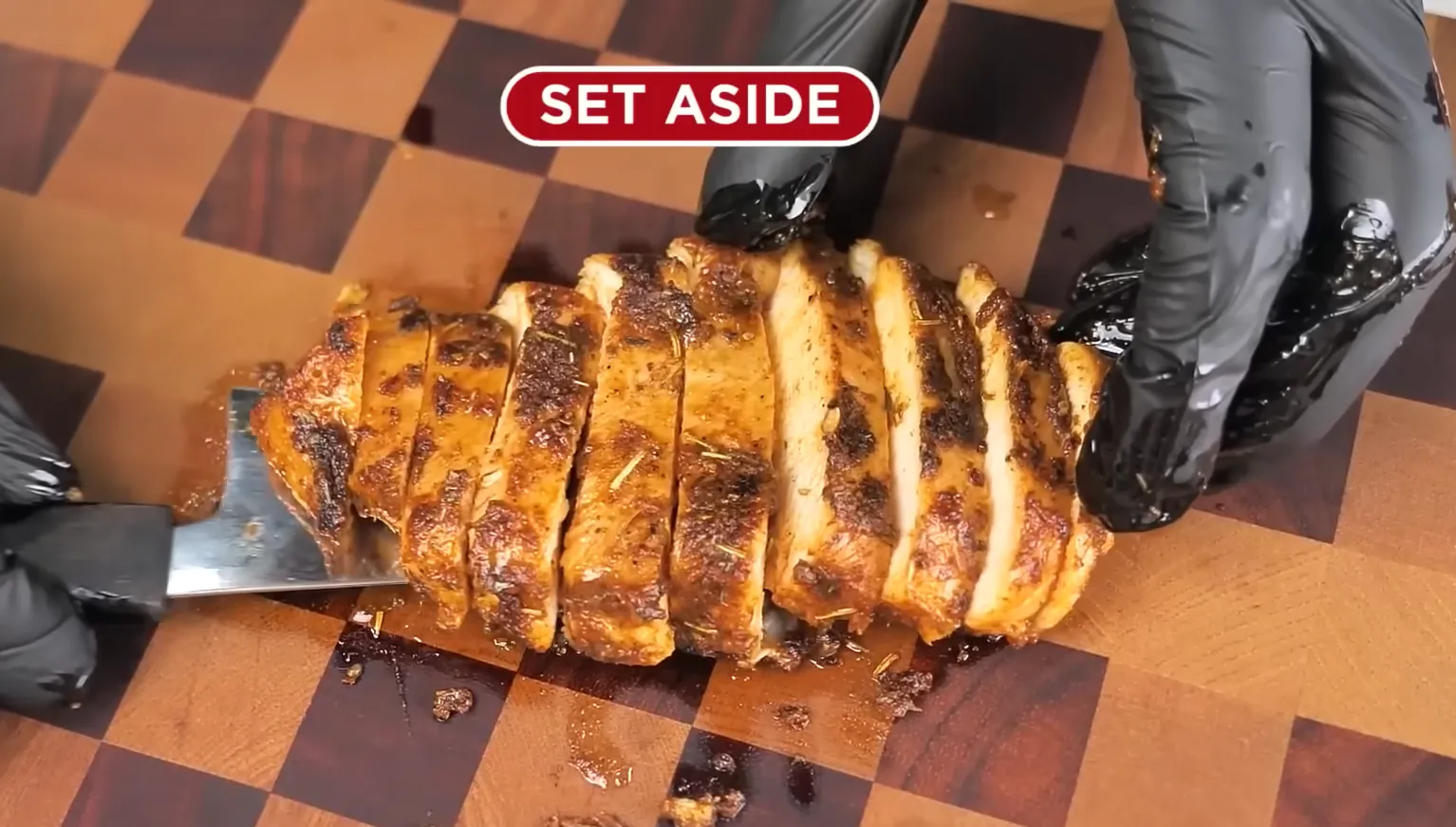
Transfer the seared chicken to a clean cutting board and let it rest undisturbed for 5 to 7 minutes. If you slice it immediately, all the pressurized internal juices will spill out onto the board leaving the chicken dry. After resting slice, the chicken at a diagonal angle into clean thin strips.
Building the Velvety Alfredo Base
Turn the heat under your skillet down to medium low. Do not clean out the pan, those browned bits left behind by the chicken are packed with concentrated flavor.
Add the remaining 3 tablespoons of unsalted butter to the pan. Once melted toss in the finely minced fresh garlic.
Saute the garlic continuously for exactly 60 seconds. Keep the heat low enough that the garlic turns soft and aromatic without turning brown or burning.
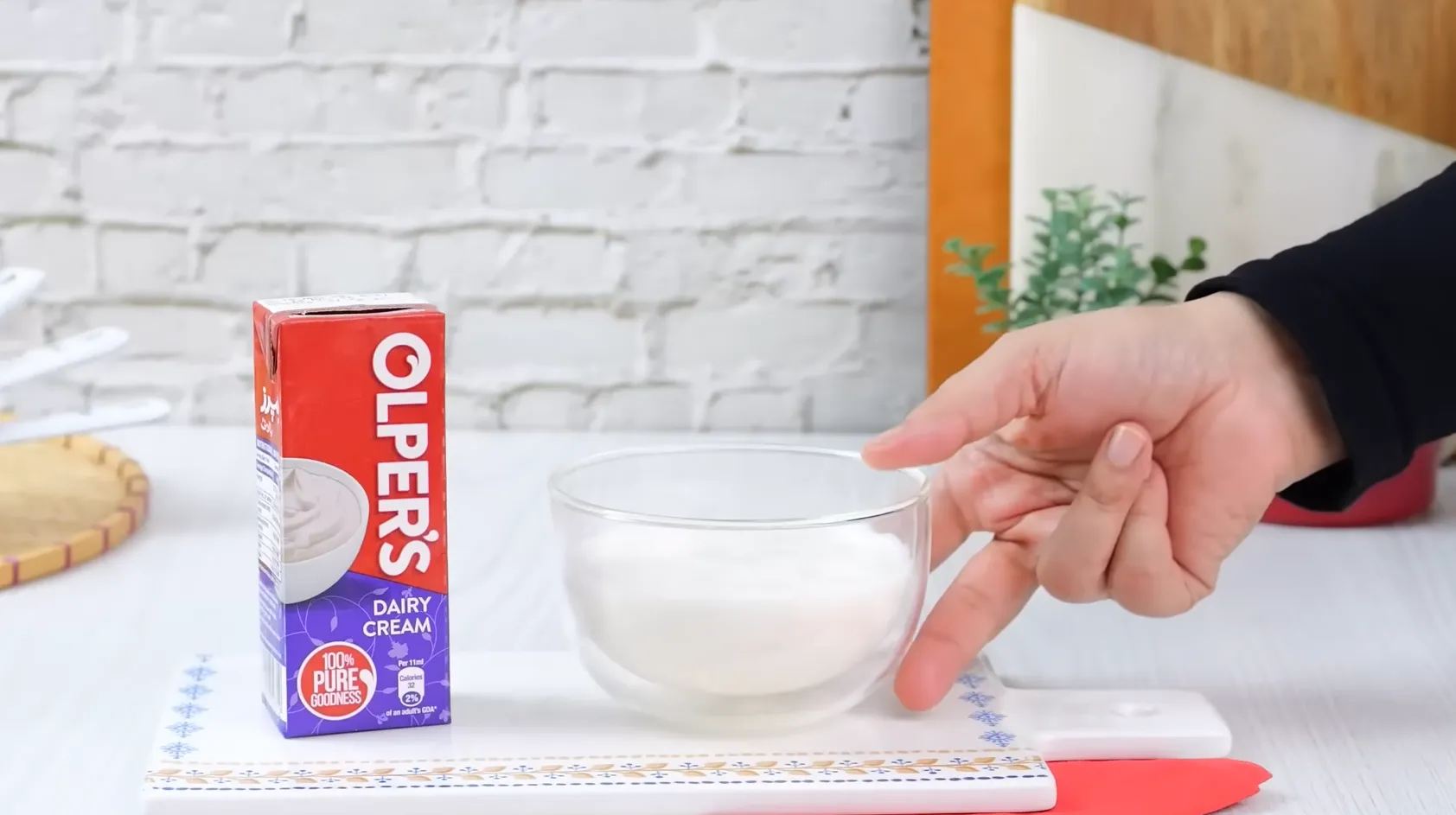
Slowly pour in the room temperature Heavy Whipping Cream stirring constantly to incorporate the pan juices and garlic.
Bring the mixture to a gentle, lazy simmer. Let it cook uncovered for 3 to 4 minutes, allowing the water content in the cream to evaporate slightly naturally thickening the liquid.
Stir in a tiny pinch of ground nutmeg along with a bit of salt and freshly cracked black pepper to taste.
Incorporating the Cheese Safely
Turn off the heat completely or drop it to the lowest possible setting. This is where many cooks fail. High heat causes the proteins in real cheese to tighten and separate from the fats, leading to a clumpy oily sauce.
Add your finely grated Parmigiano Reggiano cheese to the warm cream in small batches whisking or stirring smoothly after each addition until the cheese is completely melted and integrated into a glossy uniform sauce.
The Grand Emulsification and Assembly
Add the warm drained Fettuccine noodles and the sliced juicy chicken strips directly into the skillet with the Alfredo sauce.
Using your kitchen tongs gently lift and toss the pasta repeatedly ensuring every single strand is thoroughly coated in the rich cream base.
You will notice the sauce beginning to thicken rapidly as it interacts with the pasta starch. Now, pour in 1/4 to 1/2 cup of your reserved Warm Pasta Cooking Water.
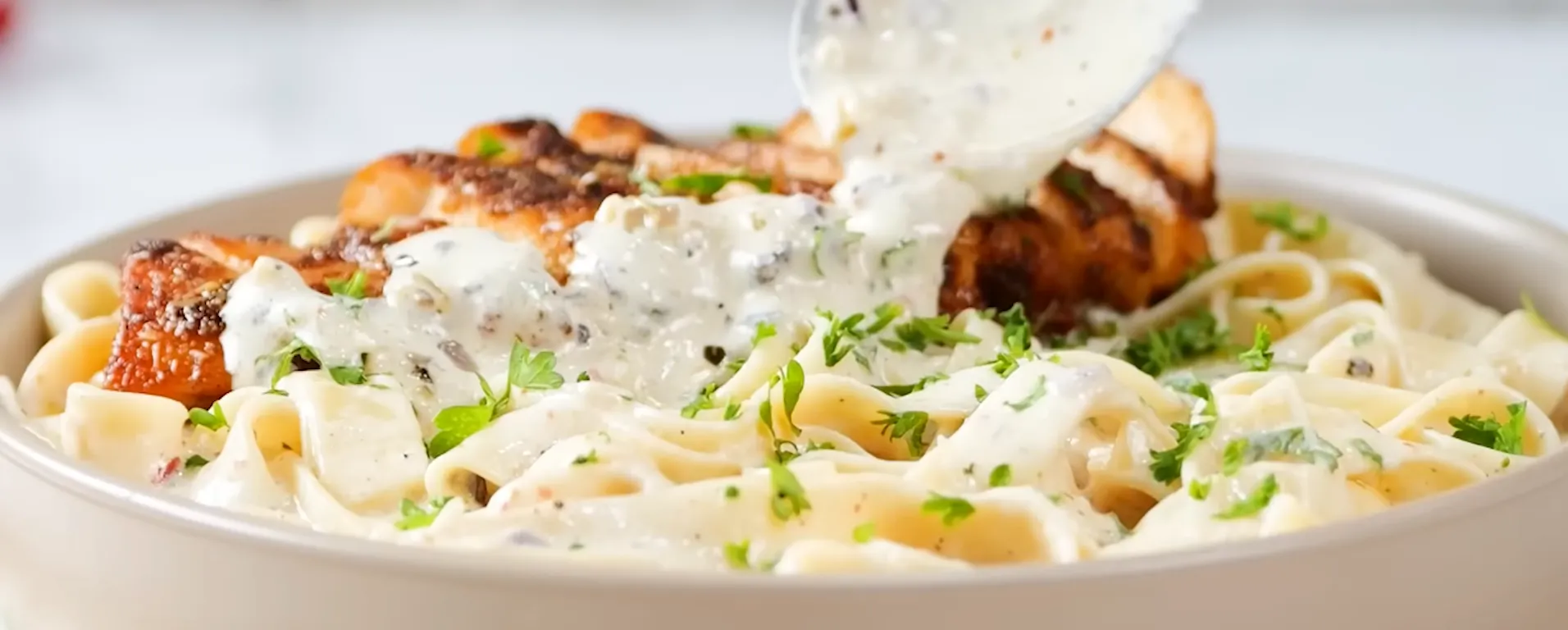
Toss vigorously. The starch and salt in the water will merge with the fats in the cream and cheese, creating a perfectly smooth, glossy, restaurant style glaze that clings tightly to the pasta.
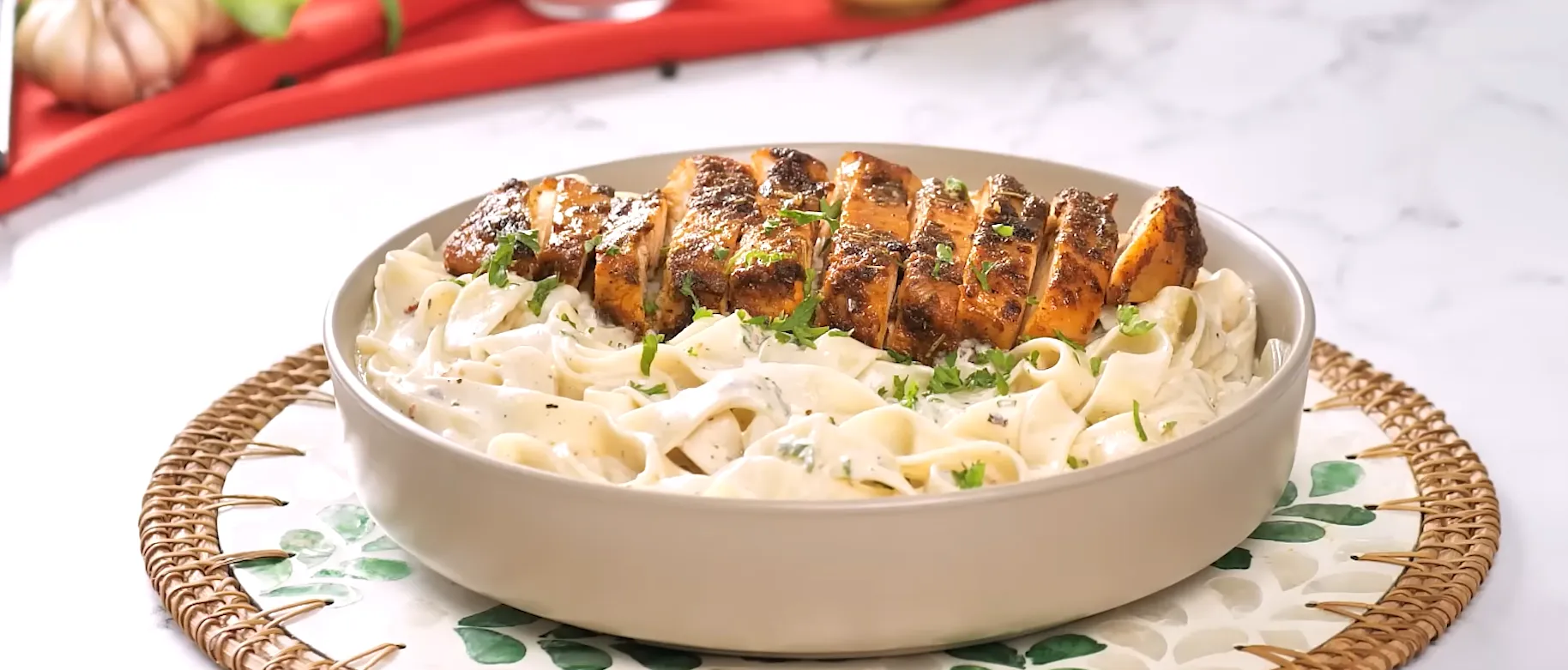
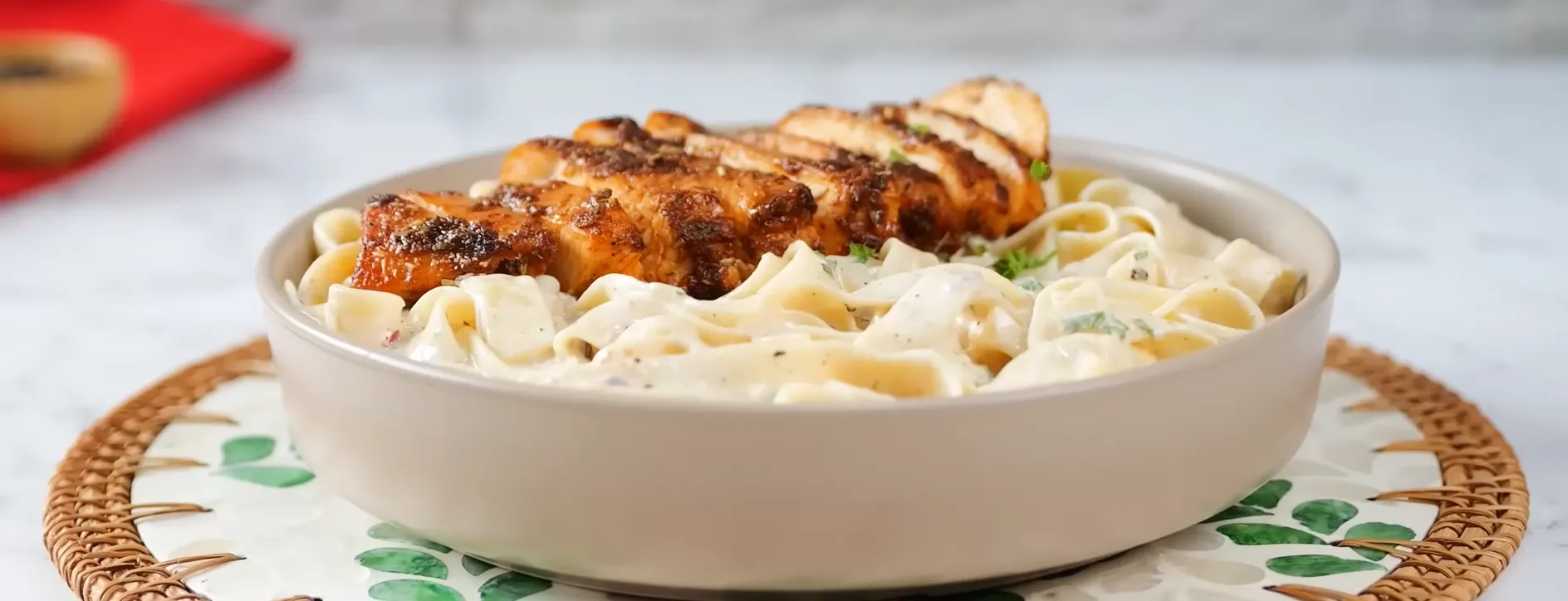
Garnish beautifully with freshly chopped flat leaf Italian parsley and an extra dusting of Parmesan cheese. Serve immediately while piping hot.
Creamy Chicken Alfredo
While texture is critical, balancing the heavy flavor profile of this indulgent comfort food is what truly separates a home-cooked meal from a professional chef’s signature plate. Because heavy cream and aged cheeses are naturally rich and dominant, the dish requires precise structural seasoning to cut through the fats. Incorporating freshly cracked black pepper right at the end introduces a subtle, sharp heat, while a single, delicate pinch of ground nutmeg adds an earthy, aromatic warmth that enhances the dairy base without overpowering the savory depth of the freshly seared garlic.
Pro Tips for the Ultimate Creamy Texture
Elevate your cooking from a standard home cooked meal to a professional culinary standard with these trade secrets:
The Temperature Balance: Always pull your heavy cream and eggs/cheese (if adding variations) out of the refrigerator roughly 20 minutes before cooking. Introducing ice-cold dairy directly to a hot skillet shocks the emulsion, causing separation.
Slightly Undercook to Start: Because the pasta will sit in a hot, simmering cream sauce for a minute or two during assembly it will continue to cook. Taking it out of the water 1 minute before it perfectly reaches Al Dente ensures it won’t become mushy in the sauce.
The Gloss Finish: If you want your pasta to have that stunning sheen found in high end trattorias, drop one final half tablespoon of cold unsalted butter into the pasta during the final tossing phase with the pasta water.
Common Mistakes to Avoid and How to Fix Them
Even experienced cooks run into issues. Use this quick reference guide to troubleshoot your Alfredo sauce instantly,
Problem: The sauce looks grainy or split, with pools of oil on top.
The Cause: The pan was far too hot when the cheese was added, or you used pre packaged shredded cheese.
The Fix: Immediately remove the pan from all heat. Add a splash of cold heavy cream or warm pasta water and whisk vigorously for 30-60 seconds to pull the emulsion back together.
Problem: The pasta is dry, and the sauce is clumping at the bottom of the plate.
The Cause: You rinsed the pasta after boiling or the sauce dried out too much on the stove.
The Fix: Stir in more of your reserved starchy pasta water, a tablespoon at a time over incredibly low heat until the sauce loosens into a smooth coat.
Problem: The garlic tastes bitter and ruins the sweet profile of the cream.
The Cause: The garlic was cooked at too high a temperature and burned before the cream was added.
The Fix: Unfortunately, burned garlic cannot be masked. If it burns early on, it is best to quickly wipe the pan clean with a paper towel and start the garlic/butter phase over to save the rest of your premium ingredients.
Creative Flavor Variations to Expand Your Menu
Once you master this baseline recipe, you can adapt it to create new variations for different dinner settings:
Spicy Cajun Chicken Alfredo: Toss your chicken breasts in a bold, rustic Cajun spice rub before searing. Add a half teaspoon of smoked paprika and a pinch of cayenne pepper directly into the cream sauce for an incredible kick.
Seafood Alfredo Luxury: Replace the chicken breast entirely with large, plump tiger prawns (shrimp) or sea scallops. Sear the seafood for just 2 minutes per side in hot butter and oil, remove them, build the sauce, and toss them back in at the very end.
Professional Meal Prep, Storage, and Reheating Guide
Real Alfredo sauce is best enjoyed fresh from the pan. As the dairy and cheese cool they naturally solidify. However, if you have leftovers follow these storage rules:
Cooling and Storage: Allow your leftover pasta to cool down to room temperature (do not leave it out for more than 2 hours). Transfer it into a premium, airtight glass container. It can be safely stored in the refrigerator for up to 3 days.
Why You Shouldn’t Freeze It: Freezing real dairy based sauces causes the fat molecules to break completely away from the water content when frozen. Upon thawing the dish will turn into an unappealing watery and clumpy mess.
The Reheating Protocol: Never throw leftover Alfredo pasta into the microwave on high heat this liquefies the cheese fats instantly, leaving you with greasy noodles. Instead, place the leftovers in a small skillet over low heat. Add 2 tablespoons of whole milk half and half or water. Stir gently and continuously as it slowly warms through. The added liquid will reconstitute the sauce back into a rich creamy coating.
Frequently Asked Questions (FAQs)
Can I use whole milk instead of heavy cream to reduce the calories?
Authentic American Alfredo relies on the high fat content of heavy cream to create a thick coating without using flour. If you substitute whole milk, the sauce will be incredibly thin and watery. To make a lighter version with milk, you would need to cook a flour and butter base (a traditional French roux) first which technically transforms the dish into a Bechamel sauce (White Sauce) rather than an Alfredo.
Can I add vegetables to this recipe without ruining the consistency of the sauce?
Absolutely Vegetables are an excellent addition. Broccoli florets sliced mushrooms asparagus tips and sun dried tomatoes work beautifully. To prevent the vegetables from releasing excess water directly into your cream sauce (which thins it out) we recommend sauteing them separately or roasting them beforehand, then tossing them into the pasta during the final assembly stage.
How do I make a simple Chicken Alfredo?
Boil fettuccine pasta. In a skillet, pan-sear sliced chicken with garlic and olive oil, then set aside. In the same pan, simmer heavy cream with butter, stir in fresh Parmesan cheese until smooth, and toss everything together.
What is the secret to making Alfredo sauce super creamy?
The ultimate secret is starchy pasta cooking water. Save 1 cup of water right before draining the pasta. Adding a splash of this liquid during final assembly naturally binds the fat and dairy into a glossy, velvety emulsion that will not split.
Can I substitute whole milk for heavy cream?
No. Authentic American Alfredo relies entirely on the high fat content of heavy whipping cream to naturally thicken the sauce. Using whole milk will leave you with a thin, watery, and runny texture.
How do I keep the chicken breast from turning dry?
Pound the chicken breast to a uniform 1/2-inch thickness before cooking so it sears evenly. Cook over medium-high heat, and always let the chicken rest for 5 minutes before slicing to lock all the internal juices inside.
Can I use pre-shredded cheese from a package?
Never. Pre-shredded packaged cheeses are coated in anti-caking starches that prevent clean melting, leaving your sauce grainy and clumpy. Always buy a solid block of Parmigiano-Reggiano and grate it fresh.
How can I make jarred Alfredo sauce taste homemade?
Saute fresh minced garlic and 2 tablespoons of butter in a pan before pouring in the jarred sauce. Finish by whisking in a splash of heavy cream, freshly cracked black pepper, and 1/2 cup of freshly grated real Parmesan cheese.
Dinner is Served
There you have it a foolproof highly detailed and thoroughly professional Creamy Chicken Alfredo Pasta Recipe. While this dish feels like a luxury meal ordered at a fine dining establishment it is incredibly straightforward to execute at home when you respect the core techniques of pasta water emulsification proper meat prep and temperature control.
The next time you are planning a special family dinner hosting close friends or looking to treat yourself over the weekend put this comprehensive guide to use.


5 Responses