
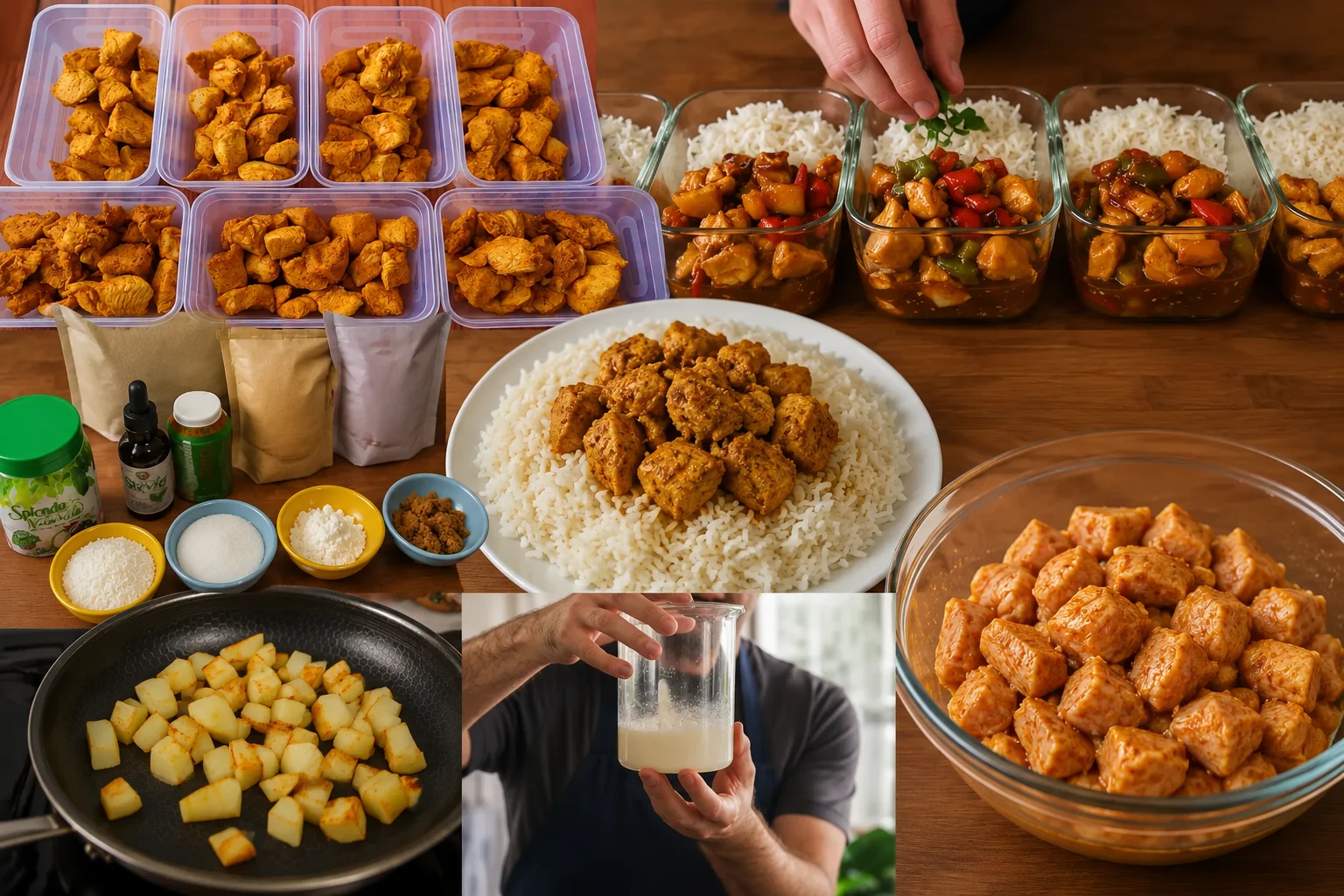
Easy low carb chicken and rice meal prep for weight loss combines lean protein, cauliflower rice, and low carb vegetables into pre-portioned bowls that support calorie control and blood sugar stability. Cooked chicken stays safe in the refrigerator for up to four days. Ground chicken prepared with the potato masher technique browns more evenly than traditionally stirred batches.
Meal prep has become one of the most reliable strategies for anyone trying to lose weight without spending hours in the kitchen every single day. The problem is that most meal prep guides skip over the small technical details that actually determine whether your food stays fresh, tastes good on day four, and fits your macros accurately. This guide covers everything from which cut of chicken to use and how to swap regular rice for a lower carb alternative, to how to reheat your bowls without turning the protein dry and rubbery.
This post is specifically written for easy low carb chicken meal prep for weight loss, with practical portioning advice, food safety guidelines, and a few lesser-known cooking techniques that make a measurable difference in the final result. By the end, you will have a repeatable system that takes the guesswork out of the week ahead.
Chicken and rice meal prep supports weight loss primarily because it controls two variables that most people underestimate: protein intake and carbohydrate load per meal. High protein diets increase satiety and help preserve lean muscle mass during a calorie deficit, which is critical for sustainable fat loss. Replacing standard white rice with cauliflower rice reduces the net carbohydrate content of each bowl significantly, making the meal compatible with low carb, keto-adjacent, and diabetic-friendly eating patterns.
The structure of a pre-portioned bowl also removes decision fatigue at mealtimes. When food is already divided into individual containers, portion sizes stay consistent across the week rather than varying based on hunger or convenience.
Chicken breast is the most commonly recommended cut for easy low carb chicken meal prep healthy applications because it delivers a high protein-to-fat ratio with minimal saturated fat. A standard 4-ounce serving of cooked chicken breast provides approximately 26 grams of protein and fewer than 2 grams of fat, making it easy to hit daily protein targets without exceeding calorie goals.
Chicken thighs are a viable alternative for those who prioritize moisture retention over strict fat reduction, since the higher fat content keeps the meat from drying out during reheating. Ground chicken is another practical option because it cooks faster, absorbs seasoning more thoroughly, and responds well to a specific browning technique covered in the next section.
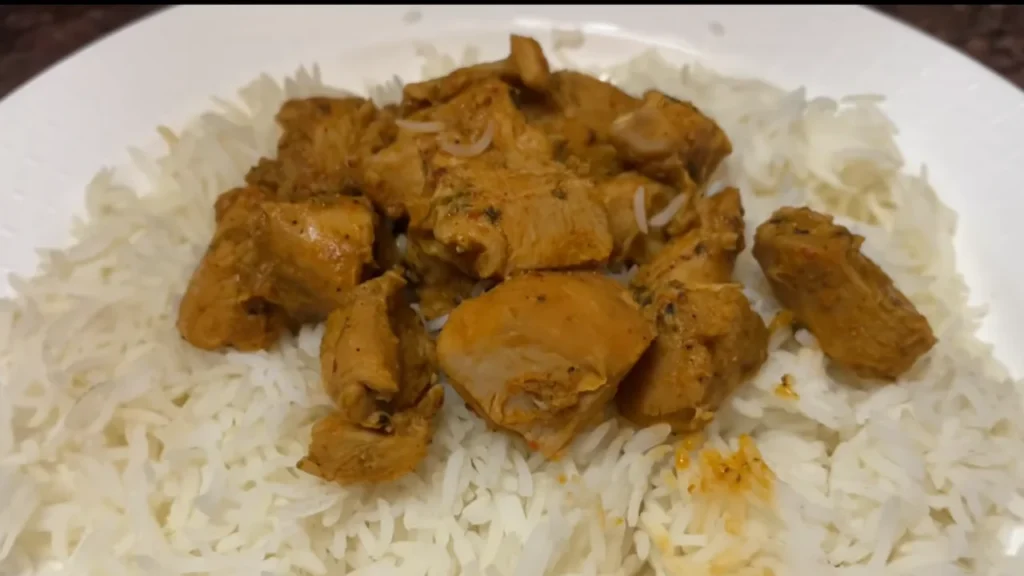
The most overlooked source of hidden carbohydrates in chicken meal prep is not the rice substitute, it is the sauce. Many store-bought marinades, teriyaki glazes, and stir-fry sauces contain 8 to 15 grams of sugar per two-tablespoon serving, which adds up quickly across four to five portions. Reading the nutrition label before using any bottled sauce is a non-negotiable step in a chicken and rice meal prep high protein setup.
Thickening agents are another hidden carb source. Cornstarch and all-purpose flour both raise the glycemic index of a sauce considerably. Xanthan gum is a low carb alternative that thickens sauces at very small quantities, typically one-quarter teaspoon per cup of liquid without adding digestible carbohydrates.
To thicken your meal prep sauces without adding carbs, xanthan gum is your best option. However, a little goes a very long way. Never dump xanthan gum directly into a hot, boiling liquid, or it will instantly clump into gelatinous balls. Instead, whisk about 1/4 teaspoon of xanthan gum into a healthy oil (like olive oil or melted butter) or liquid sweetener first, then slowly stream it into your simmering sauce while whisking vigorously. Within a minute, you’ll have a glossy, thick glaze that coats your chicken beautifully.

The foundation of a simple chicken meal prep recipe for weight loss is a short ingredient list with deliberate substitutions. Every component should serve a functional purpose: protein source, volume filler, fat source, and flavor base. Overcomplicating the ingredient list increases both preparation time and the likelihood of measurement errors that affect your macros.
A reliable base combination for easy low carb chicken meal prep with rice includes ground or diced chicken breast, cauliflower rice, a non-starchy vegetable like zucchini or broccoli, olive oil or avocado oil, and a low carb sauce built on chicken broth, garlic, and a low carb sweetener if any sweetness is needed.
Cauliflower rice reduces the net carbohydrate content of a standard chicken and rice bowl from approximately 45 grams of carbs per cup down to roughly 3 to 5 grams per cup, depending on preparation method. That difference alone accounts for a significant reduction in daily carbohydrate intake across a week of meal prep. Cauliflower rice also contributes fiber, vitamin C, and vitamin K, none of which are present in meaningful quantities in white rice.
The most common mistake with cauliflower rice is cooking it with too much moisture, which results in a soggy, dense texture that does not hold up well after refrigeration. Cooking cauliflower rice in a dry pan over medium-high heat for five to seven minutes without adding water or covering with a lid allows the excess moisture to evaporate and produces a texture that more closely resembles cooked white rice.
Ground chicken presents a challenge that ground beef does not: it clumps heavily during cooking and tends to form large, uneven pieces that brown on the outside while remaining undercooked in the center. The potato masher hack solves this problem directly. Pressing a potato masher repeatedly across the surface of cooking ground chicken breaks the meat into smaller, more uniform pieces as it cooks, which increases the surface area exposed to the hot pan and produces more consistent browning throughout the batch.
This technique is particularly effective when cooking large quantities for meal prep, where even browning across the full batch ensures consistent texture in every container. Use the potato masher from the moment the ground chicken hits the pan and continue pressing every 30 to 45 seconds until the meat is fully cooked through and lightly golden.
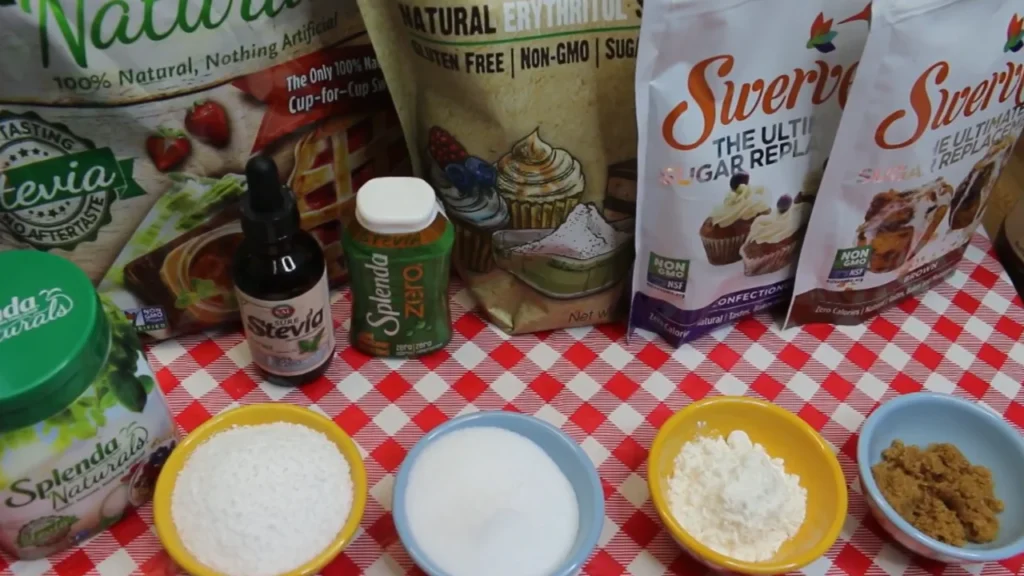
Not all low carb sweeteners perform equally in savory chicken dishes, and the aftertaste issue is real enough to ruin an otherwise well-seasoned meal prep batch. Erythritol-based sweeteners like Swerve are widely available and technically low carb, but erythritol is known to produce a noticeable cooling sensation and a slightly metallic finish particularly when used in warm sauces or glazes applied to chicken.
Allulose is a better option for cooked applications because it behaves more like sugar when heated, caramelizes without burning at low temperatures, and leaves no detectable aftertaste in most users. Liquid monk fruit is another reliable choice for small-quantity sweetening in sauces; it dissolves instantly, does not crystallize during storage, and has a clean flavor profile. For a chicken and rice meal prep weight loss recipe that includes any kind of glaze or sauce with sweetness, allulose or liquid monk fruit will consistently outperform Swerve in both flavor and texture.
Efficient meal prep requires completing tasks in a logical sequence to minimize total kitchen time. Cook the cauliflower rice first and spread it on a sheet pan to cool, then cook the vegetables, and finally cook the protein. This sequence allows each component to reach room temperature at a similar rate, which shortens the cooling time before refrigeration and reduces condensation inside the storage containers.
Season each component separately rather than combining everything into one pan, since different ingredients have different optimal seasoning levels and cooking temperatures. This separation also makes it easier to adjust flavors in individual containers if needed.
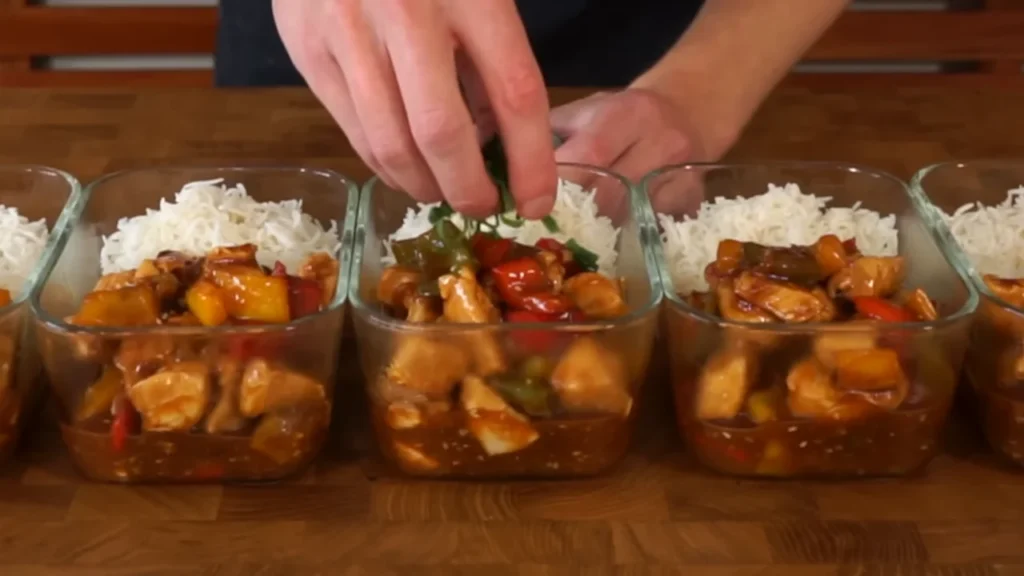
Accurate portioning is the most important step in a chicken meal prep high protein setup. Uneven distribution of protein, sauce, and cauliflower rice across containers produces inconsistent macros, which defeats the purpose of structured meal prep for weight loss. Use a digital kitchen scale rather than measuring cups, particularly for the protein component, since cooked chicken compresses and its volume is not a reliable measurement.
Divide the total batch weight of each cooked component by the number of containers before adding anything to the bowls. For example, if the cooked chicken batch weighs 600 grams and you are preparing five containers, each container receives exactly 120 grams of protein before sauce is added. Add the sauce using a small ladle or tablespoon measure, applying the same amount to each container, then finish with the cauliflower rice and vegetables. Sealing containers while the food is still slightly warm is acceptable provided you leave them at room temperature for ten minutes first.
Volume is a practical tool for weight loss because it creates a sense of fullness without adding significant calories or carbohydrates. Non-starchy vegetables serve this function more effectively than any other food group in a low carb meal prep context. Broccoli, zucchini, bell peppers, spinach, and green beans all pair naturally with chicken, hold up reasonably well after refrigeration, and add both fiber and micronutrients to each bowl.
Avoid adding raw leafy greens directly to the meal prep containers, as they wilt and become unpleasant in texture after a day in the refrigerator. Lightly sautéed greens, on the other hand, maintain a more stable texture over four days. Roasted broccoli and zucchini are particularly effective in reheated bowls because the slight caramelization that forms during roasting intensifies rather than diminishes when the container is reheated.
Proper storage is not optional in meal prep, it is a food safety requirement. Cooked chicken and cauliflower rice must be transferred to airtight containers and refrigerated within two hours of cooking. Leaving cooked protein at room temperature beyond this window allows bacterial growth to accelerate to unsafe levels, regardless of how the chicken was prepared or seasoned.
Use glass or BPA-free plastic containers with locking lids to minimize air exposure and prevent cross-contamination between containers. Glass containers are preferable for reheating because they distribute heat more evenly than thin plastic and do not absorb odors from seasoned proteins over multiple days.
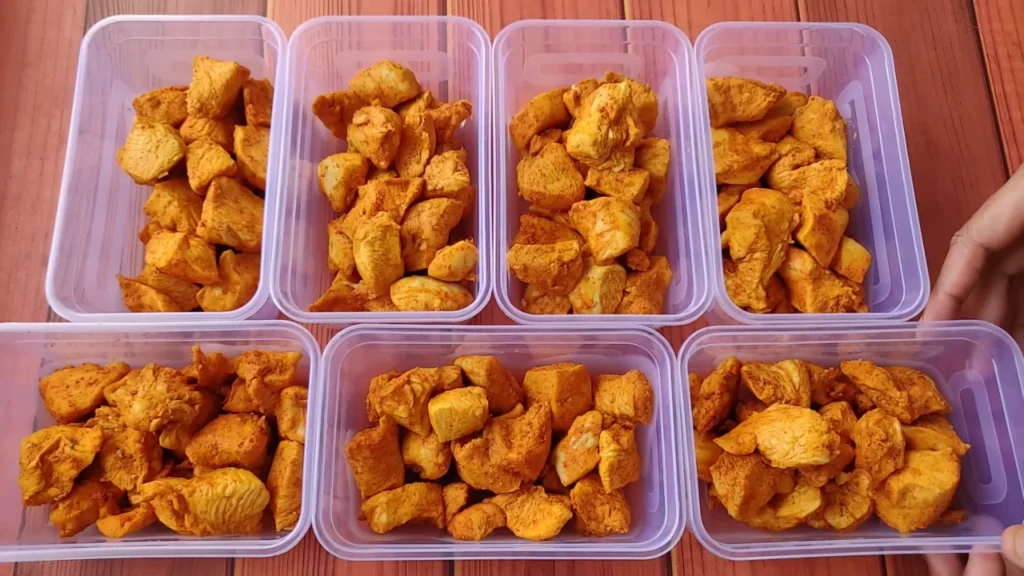
Cooked chicken is safe to eat for up to four days when stored in the refrigerator at or below 40°F (4°C), according to the U.S. Food and Drug Administration (FDA). Preparing five or more days of chicken meal prep in a single batch is a food safety risk, not a time-saving strategy. Consuming cooked chicken on day five, six, or seven, even if it smells and looks acceptable, is not safe practice, because harmful bacteria can reach dangerous levels before visible or olfactory signs of spoilage appear.
For a full week of easy low carb chicken and rice meal prep, prepare two separate batches: one on Sunday covering Monday through Thursday, and a second smaller batch on Thursday covering Friday and the weekend. Freezing individual containers is also a practical solution; cooked chicken maintains quality in the freezer for up to three months when sealed properly.
Reheated chicken becomes dry primarily because microwave heat causes rapid moisture evaporation from the surface of the protein. The damp paper towel steam hack counteracts this effect by creating a small amount of steam inside the container during reheating, which keeps the surface of the chicken moist rather than allowing it to dry and tighten.
To use this technique, place a lightly dampened paper towel directly over the chicken before reheating. The paper towel should be damp, not dripping wet. Reheat the container in 60-second intervals at medium power rather than full power, checking the temperature between intervals. This approach takes an extra minute but produces noticeably juicier chicken compared to full-power reheating without a cover.
The most practical low carb pairings for chicken meal prep include cauliflower rice, roasted broccoli, zucchini noodles, sautéed spinach, green beans, and shredded cabbage. These options are low in net carbohydrates, high in fiber, and hold up well in meal prep containers over four days of refrigerated storage.
Yes. Plain baked or pan-seared chicken is one of the most blood-sugar-friendly protein sources available, as it contains no carbohydrates and does not trigger an insulin response on its own. Diabetics should pay close attention to the sauces, marinades, and sides served with the chicken, since these components are the most common source of hidden sugars in a chicken meal prep bowl.
The most frequent mistakes in chicken and rice meal prep for weight loss are using too much moisture when cooking cauliflower rice, unevenly portioning the protein across containers, using high-sugar sauces without checking the nutrition label, and storing cooked chicken beyond the four-day refrigeration limit. Skipping the cooling step before sealing containers is also a common error that leads to excess condensation and soggy textures by day two.
Meal prep and leftovers are functionally the same from a food safety standpoint, both involve storing cooked food in the refrigerator for consumption at a later time. The USDA applies the same four-day refrigeration guideline to both intentional meal prep and leftover meals. The primary distinction is that meal prep is portioned and planned in advance, while leftovers are typically stored without portion planning after an initial meal.
Yes, you can freeze it. While cooked chicken freezes beautifully for up to 3 months, cauliflower rice can sometimes become slightly watery when thawed. To prevent this, make sure your cauliflower rice is cooked completely dry before freezing, and store the portions in airtight, freezer-safe glass containers. When you are ready to eat, thaw the bowl in the refrigerator overnight and use the damp paper towel microwave hack to restore its perfect texture.
Easy low carb chicken and rice meal prep for weight loss is not a complicated process, but it does require attention to a handful of technical details that most guides overlook. Using the potato masher technique for even browning, selecting allulose or liquid monk fruit over Swerve for cleaner flavor, staying within the four-day refrigeration window, and applying the damp paper towel method during reheating, these are the steps that separate a mediocre meal prep week from one that actually supports your goals consistently.
The simplest way to start is to prepare a single batch of four containers using ground chicken breast, cauliflower rice, and one non-starchy vegetable of choice. Keep the seasoning minimal on the first attempt, evaluate how the food holds up by day four, and adjust from there. For more tested, reliable recipes built around the same principles, visit Cooking Nations at cookingnations.com.

4 Responses