


Learn how to make crisp, refreshing homemade lemonade using fresh lemons and a simple syrup base for perfect sweetness and zero grit.
Type: Beverage
Cuisine: American
Keywords: easy summer lemonade recipes, simple lemonade recipe, old fashioned lemonade recipe, homemade lemonade
Recipe Yield: 8 servings
Calories: 100 calories
Preparation Time: PT10M
Cooking Time: PT5M
Total Time: PT15M
Recipe Ingredients:
Recipe Instructions: Step 1: Name: Make Simple Syrup Text: Combine 1 cup granulated sugar and 1 cup water in a saucepan over medium heat. Stir until sugar completely dissolves, then remove from heat and cool for 10 minutes. Step 2: Name: Juice Lemons Text: Squeeze fresh lemons through a fine-mesh strainer into a measuring cup until you have 1 cup of pure juice without seeds. Step 3: Name: Combine Ingredients Text: Pour the cooled simple syrup and 1 cup fresh lemon juice into a two-quart glass pitcher and stir well. Step 4: Name: Dilute and Serve Text: Add the remaining 5 cups of cold filtered water. Stir thoroughly and chill in the refrigerator before serving over ice.
Preparing homemade citrus beverages allows home cooks to take complete control over ingredient purity and sweetness levels. Discovering easy summer lemonade recipes in 2026 helps beverage enthusiasts enjoy consistent quality without relying on artificial store-bought mixes.
This comprehensive culinary guide walks through ingredient ratios, juice extraction techniques, and advanced flavor balancing methods. Readers will learn how simple adjustments to water temperature and sugar integration transform basic lemons into an exceptional summer beverage.

Executing a batch of fresh lemonade requires minimal time when applying organized kitchen prep techniques.

Mastering a simple lemonade recipe requires a firm understanding of how acid, sugar, and water interact on the palate. Sour lemon juice contains high concentrations of citric acid, which creates a sharp sensory reaction if not balanced by an equal proportion of sugar. Water acts as the essential diluting agent, carrying the sweet and sour notes across the tongue without overwhelming the senses.
Maximizing liquid output from fresh lemons involves understanding citrus anatomy and temperature properties. Cold lemons stored in the refrigerator retain tight cell walls that trap juice inside the internal membranes. Allowing lemons to reach room temperature, or microwaving them for ten seconds, softens the fruit and releases significantly more liquid.
Pro Tip: Rolling the citrus firmly against a flat countertop breaks internal section walls before slicing. A typical medium lemon yields roughly two to three tablespoons of fresh juice.
Integrating sugar properly determines whether the finished drink feels smooth or gritty on the tongue. Throwing granulated sugar directly into cold water prevents the sugar crystals from dissolving completely, causing them to sink to the bottom of the pitcher. Dissolving sugar in warm liquid or creating a simple syrup binds the sweet molecules evenly throughout the liquid. This simple structural step guarantees every glass delivers consistent sweetness from top to bottom.
Creating a reliable beverage base requires three core ingredients, fresh lemons, filtered water, and granulated sugar.
The universal golden ratio for large pitcher preparations is 1 part lemon juice, 1 part sugar, and 6 parts water. For a full batch serving eight people, this translates to one cup of fresh lemon juice, one cup of granulated sugar, and six cups of clean filtered water. One cup of water is used to dissolve the sugar, while the remaining five cups of cold water dilute the concentrated citrus base.
Using fresh fruit yields superior flavor compared to commercial bottled alternatives. Bottled lemon juice undergoes pasteurization and often contains sodium benzoate or sulfur dioxide to extend shelf life, which introduces a flat, metallic aftertaste. Fresh lemons retain volatile essential oils within their outer peels, supplying vibrant aromas that artificial concentrates cannot match. Select lemons that feel heavy for their size with smooth, thin skins for maximum juice content.
Executing an old-fashioned lemonade recipe centers around crafting a balanced lemonade syrup recipe as the foundation.
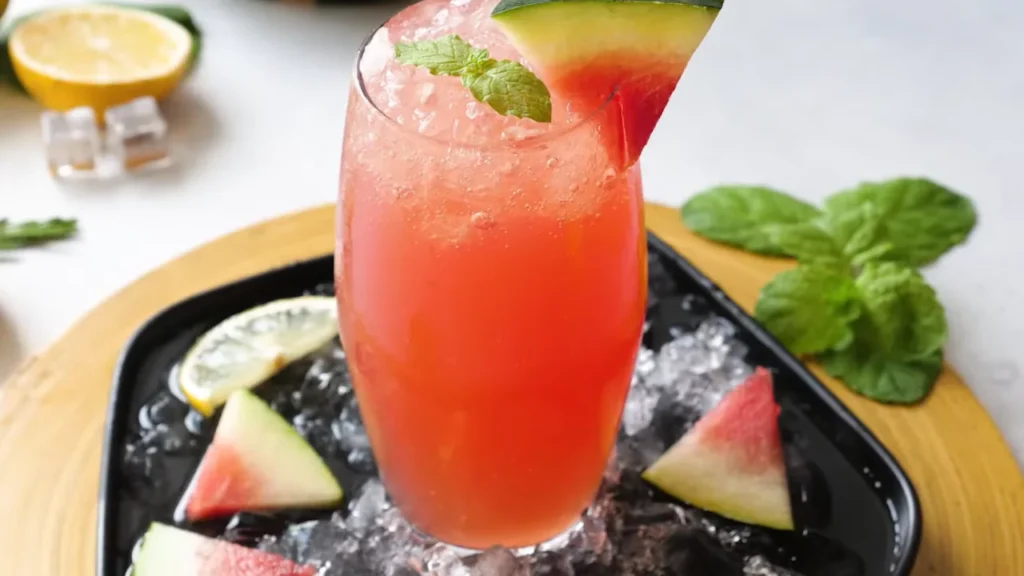
Traditional syrup preparations differ from modern shortcut methods primarily through texture and stability. The classic syrup method creates an emulsion where sweet and sour components remain fully blended, even after chilling in the refrigerator for hours. Modern shortcut methods that mix raw sugar directly into cold liquid save five minutes of prep time, but they risk separating and leaving undissolved sugar sludge at the bottom of the glass.
Scaling down measurements to prepare a lemonade recipe with lemon juice for 1 glass eliminates beverage waste when making a quick personal drink.
Calculating single serving proportions quickly relies on remembering simple tablespoon measurements. Two tablespoons of lemon juice equal one fluid ounce, matching the one fluid ounce of sugar needed for balance. Dissolve the two tablespoons of sugar in two tablespoons of warm water inside the serving glass first. Once dissolved, pour in the two tablespoons of fresh lemon juice, top with one cup of cold water, and stir well.
Managing flavor intensity requires accounting for ice cube dilution over time. Adding plain ice cubes to a room-temperature beverage melts the ice rapidly, watering down the careful balance of sweet and sour notes. To maintain proper flavor strength, prepare the base slightly tart, or use ice cubes made directly from leftover lemon water.
Teaching children a simple lemonade recipe for kids builds foundational kitchen skills while avoiding hot stovetop hazards.
Parents can guide children through a cold-dissolve method that replaces boiling water with simple mechanical stirring. Have kids pour two tablespoons of warm tap water and two tablespoons of sugar into a glass, then stir vigorously for sixty seconds until the sugar disappears.
Children can safely extract juice using manual plastic hand reamers instead of sharp electric appliances or knives. Pre-cut the lemons into half rounds before handing them to young kitchen helpers. Children press the lemon half over the center reamer and twist, which safely extracts the juice while building motor skills. Adults can assist by holding the collection bowl steady during juicing.
Incorporating classic culinary insights like the Mary Berry lemonade recipe style involves utilizing citrus peel zest alongside fresh juice.
Lemon peels contain dense pockets of aromatic essential oils that provide a deep, complex citrus aroma. Grate the yellow outer zest of two clean lemons directly into the saucepan while preparing the simple syrup. Strain the zest out after the syrup cools to infuse high-end culinary flavor into the beverage.
The exact ratio for a single eight-ounce glass is 2 tablespoons of fresh lemon juice, 2 tablespoons of granulated sugar, and 1 cup of cold water. Dissolving the sugar in a small amount of warm water first ensures a smooth texture.
Combine equal parts water and granulated sugar in a saucepan, heat gently until clear, and let cool completely. Pour the finished liquid into a clean glass jar, seal tightly, and store in the refrigerator for up to two weeks.
An old-fashioned recipe uses a cooked simple syrup base that prevents sugar from settling at the bottom of the pitcher. Modern quick versions stir raw sugar directly into cold water, which often leaves a gritty texture.
Children can dissolve sugar by stirring it directly into warm tap water inside a glass pitcher for one minute. This eliminates the need for hot stoves while achieving an evenly sweetened drink.
Freshly squeezed juice contains natural essential oils and clean acidity without artificial chemical preservatives. Bottled concentrates undergo heat processing that dulls natural citrus flavors and leaves a flat taste.
Typically, you will need 4 to 6 medium-sized lemons to produce 1 cup (8 oz or 236 ml) of fresh juice. The exact quantity depends on the fruit’s ripeness, skin thickness, and temperature before squeezing.
Yes, you can prepare homemade lemonade up to 24 to 48 hours in advance. Keep the prepared pitcher tightly covered in the refrigerator, but do not add ice until immediately before serving to prevent dilution.
If the beverage is too sour, stir in simple syrup one tablespoon at a time until balanced. If it tastes overly sweet, squeeze in fresh juice from half a lemon or add half a cup of cold filtered water.
Raw honey, agave nectar, or maple syrup are excellent natural substitutes. If you prefer a zero-calorie option, liquid stevia or monk fruit sweetener blends effortlessly without creating a gritty texture.
Bitterness occurs when lemon seeds or white pith are left in the juice, releasing compounds called limonin over time. Straining your juice thoroughly through a fine-mesh strainer prevents this issue.
Yes, you can use unrefined cane sugar or light brown sugar. However, keep in mind that brown sugar will give your lemonade a darker amber color and a subtle caramel/molasses flavor note.
No, never boil fresh lemon juice. Heating citrus juice destroys its delicate vitamin C content and fresh aromatics, altering the bright flavor into a cooked, flat taste. Only heat the water and sugar.
Prepare your concentrated base using 1 cup of simple syrup and 1 cup of fresh lemon juice. Instead of adding plain water, pour in 5 cups of chilled sparkling water or club soda right before serving.
Classic garnishes include fresh lemon slices, muddled mint leaves, fresh basil, or summer berries like crushed strawberries and raspberries for added visual appeal and subtle flavor.
Yes, you can freeze lemonade in freezer-safe containers or silicone ice trays for up to 3 months. Frozen lemonade ice cubes are perfect for chilling fresh pitchers without watering down the drink.
Mastering easy summer lemonade recipes in 2026 comes down to respecting basic ingredient ratios, integrating natural sweeteners properly, and choosing fresh citrus over commercial shortcuts. Whether crafting a single glass on a warm afternoon or stirring up a full pitcher using the classic simple syrup method, applying these practical culinary techniques guarantees a superior result every time.
Explore these foundational steps, adjust sweetness levels to match personal taste preferences, and enjoy authentic homemade refreshment all summer long.

4 Responses