
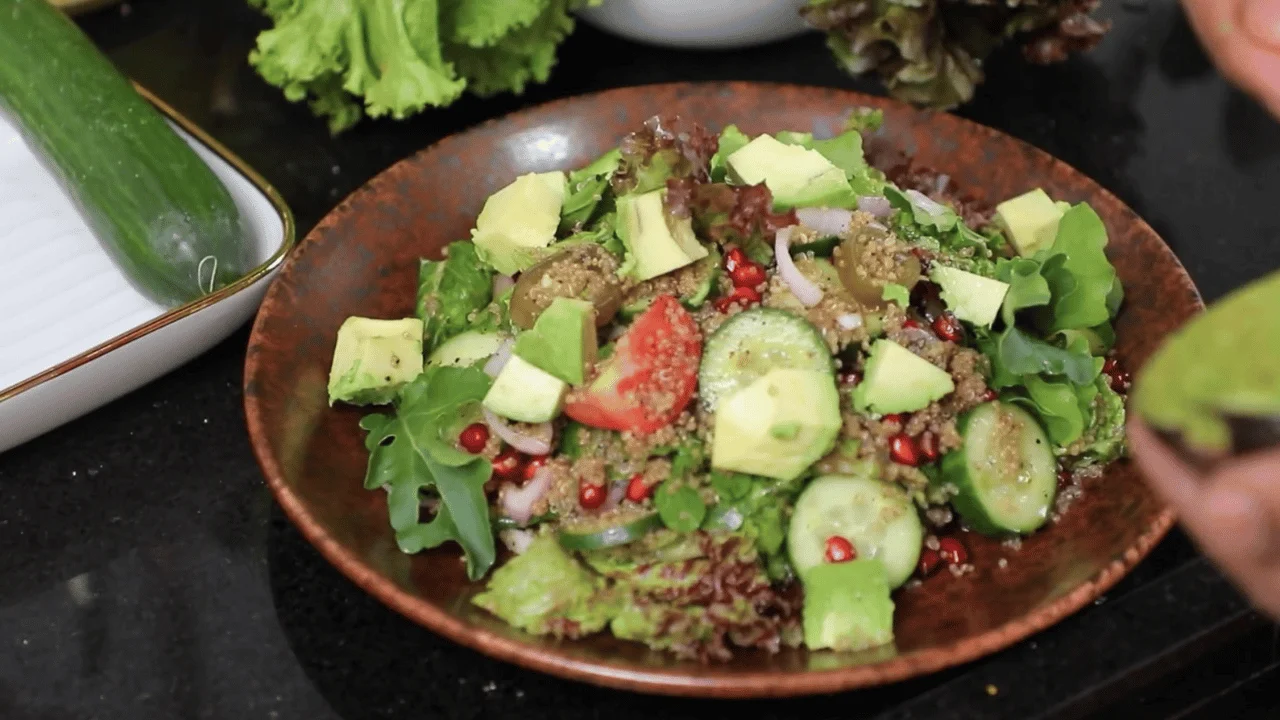
A high protein breakfast bowl delivers 20 to 35 grams of protein at the start of the day, which research links to improved satiety, sharper concentration, and reduced reward-driven hunger. This guide covers six practical bowl configurations from baked egg meal preps to plant-based builds, with verified nutritional data and storage protocols.
Morning fatigue is not a caffeine deficiency. In most cases, it is a macronutrient deficiency, specifically a breakfast that skews heavily toward simple carbohydrates and delivers little sustained metabolic fuel. A well-constructed high protein breakfast bowl addresses this directly: it front-loads protein at the meal where most people consume the least, stabilizes appetite hormones before mid-morning, and sets a measurable physiological trajectory for the rest of the day. This guide presents six evidence-informed configurations, the nutritional logic behind each one, and a preparation framework that makes daily execution realistic.
The case for protein at breakfast is no longer theoretical. A 2024 study from Aarhus University, published in the Journal of Dairy Science, found that a protein-rich breakfast built on skyr and oats increased both satiety and cognitive concentration in participants compared to a carbohydrate-rich breakfast or no breakfast at all. The researcher leading the study, Associate Professor Mette Hansen, noted that the satiety effect was substantial enough that several subjects struggled to finish the full protein-rich meal, a contrast that would not have occurred with the carbohydrate alternative.
Earlier mechanistic evidence points in the same direction. Research from the University of Missouri-Columbia, published in the journal Obesity, used functional magnetic resonance imaging to measure brain activity in response to food cues after different breakfast types. The findings were precise: consuming a higher-protein breakfast reduced activation in brain regions responsible for food motivation and reward-driven eating behavior prior to lunchtime. This effect was measurably stronger than that produced by a normal-protein breakfast. Lead researcher Heather Leidy identified the suppression of reward-driven motivation to eat as a meaningful mechanism for appetite regulation throughout the day.
A 2024 scoping review published through PubMed (PMID 38219154) adds a structural dimension to this picture. Across 15 studies, approximately 58.8% of findings from 11 research papers examining high breakfast protein intake reported increases in muscle mass among participants. Consuming greater amounts of protein in the morning rather than distributing intake more heavily toward the evening was associated with increases in the skeletal muscle index and lean body mass. These are not marginal effects. They represent a credible argument for shifting protein distribution toward the first meal of the day, not merely for satiety, but for long-term body composition.
The architecture of a functional breakfast bowl depends on two primary decisions: the base and the protein source. These are not interchangeable choices. Each combination produces a different macronutrient ratio, a different satiety profile, and a different preparation requirement.
Grain bases including rolled oats, quinoa, and brown rice provide dietary fiber alongside complex carbohydrates, which moderate the rate of glucose absorption and extend the window of energy availability. Quinoa, according to the Harvard T.H. Chan School of Public Health Nutrition Source, delivers approximately 8 grams of protein per cooked cup alongside 5 grams of fiber, and qualifies as a complete protein, meaning it contains all nine essential amino acids. Oats offer a beta-glucan content that supports satiety through viscous fiber formation in the digestive tract. These bases are not equivalent, and the selection should align with preparation time and target protein load.
Protein anchors fall into two categories: animal-derived and plant-derived. Eggs, cottage cheese, Greek yogurt, egg whites, and turkey sausage represent the animal-derived tier. On the plant-derived side, black beans, chickpeas, and firm tofu provide meaningful protein density alongside fiber. Greek yogurt delivers approximately 27 grams of protein per cup, making it one of the most protein-efficient breakfast ingredients available without requiring any cooking. Cottage cheese, when blended with eggs, creates a high-leucine base that supports muscle protein synthesis, a mechanism directly relevant to the skeletal muscle findings cited above.
The pairing decision matters. A quinoa base combined with eggs and avocado produces a complete amino acid profile with healthy fats for hormonal function. Greek yogurt layered over oats provides a dairy-based protein matrix that the Aarhus University study specifically identified as effective for satiety and concentration. Each bowl below follows a distinct logic.
This configuration anchors its protein in whole eggs and quinoa, with avocado providing monounsaturated fatty acids that support prolonged satiety and fat-soluble nutrient absorption. One cup of cooked quinoa provides 8 grams of protein and represents a complete plant-based protein source, an unusual quality among grains. Two whole eggs contribute approximately 12 additional grams. Together, before any toppings, the bowl reaches roughly 20 grams of protein with a macronutrient distribution that includes complex carbohydrates, complete proteins, and healthy fats in meaningful proportions.
The preparation is straightforward. Quinoa is cooked in water or low-sodium broth at a 1:2 ratio and simmered for approximately 15 minutes. Eggs can be scrambled, soft-boiled, or poached depending on preference. Each method affects the overall bowl differently, with poached and soft-boiled eggs preserving the albumin structure more completely. Half an avocado sliced over the top adds roughly 7 grams of healthy fat and contributes potassium and folate to the micronutrient profile. A pinch of flaky salt and black pepper completes the seasoning without adding significant sodium load.
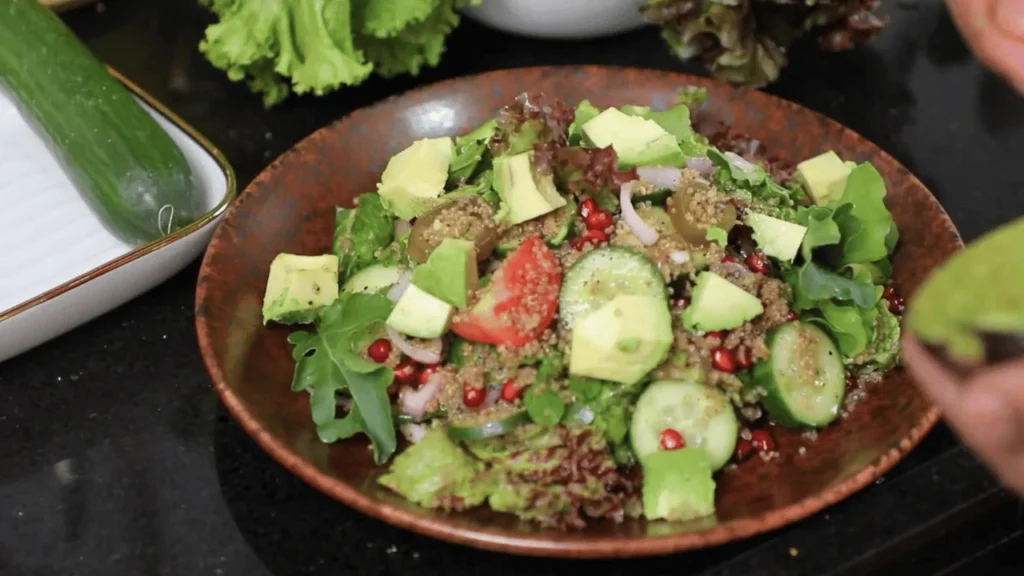
Speed is a legitimate constraint. When preparation time is under five minutes, the microwave egg bowl is the structurally sound solution. The key is understanding how protein denaturation behaves in a microwave environment so the result avoids a rubbery texture.
Two to three whole eggs whisked with a tablespoon of water and a tablespoon of cottage cheese are poured into a microwave-safe bowl sprayed lightly with cooking spray. Microwaving on high in 30-second intervals and stopping to stir between each allows the eggs to set evenly rather than overcooking at the edges while remaining liquid at the center. The full process takes approximately 90 seconds of active microwave time. A handful of pre-washed baby spinach added in the final 30-second interval wilts without becoming soggy. The result is a warm, protein-dense bowl that provides 18 to 22 grams of protein depending on egg size and the amount of cottage cheese used. This bowl is the fresh-cook option for days when batch cooking was not completed.

The baked egg bowl is the meal prep configuration with the highest protein return per preparation session. Based on a validated recipe from Peanut Butter and Fitness published in January 2025, a single baked bowl made with egg whites, whole eggs, cottage cheese, turkey breakfast sausage, baby spinach, red bell pepper, sharp cheddar, and chives delivers 33 grams of protein at 282 calories per serving.
The preparation method requires blending cottage cheese and whole eggs in a blender until smooth, then stirring in liquid egg whites. This blending step creates a homogeneous mixture that distributes the casein protein from the cottage cheese evenly throughout the egg base, producing a creamier texture after baking than unblended versions. The mixture is poured over the layered vegetables and sausage in oven-safe bowls and baked at 350 degrees Fahrenheit for 40 to 45 minutes, covered with foil for the first 20 minutes to prevent surface overcooking. Four bowls can be produced in a single session. Stored in airtight containers in the refrigerator, these bowls remain viable for up to four to five days and reheat in a microwave in approximately 45 to 60 seconds covered with a paper towel.

Eliminating eggs from the equation does not reduce the bowl’s structural effectiveness. It shifts the protein sourcing strategy. This configuration is built on firm tofu, black beans, and a grain base, and it can deliver over 20 grams of protein per serving without any animal products.
Firm tofu crumbled into a hot skillet with turmeric, black salt, garlic powder, and nutritional yeast produces a scrambled texture with a sulfurous note that approximates scrambled eggs without replicating them. Half a cup of cooked black beans adds approximately 8 grams of additional protein, 7 grams of fiber, and a meaningful dose of iron and magnesium. A base of quinoa or brown rice underneath grounds the bowl and adds further protein and complex carbohydrate. Sliced avocado and a squeeze of lime complete the flavor profile without excess sodium. This bowl is appropriate for individuals managing egg allergies, following plant-based dietary protocols, or varying their protein sources across the week.
Oats are not exclusively a sweet breakfast ingredient. When treated as a savory grain base and paired with sharp cheddar cheese, a fried or poached egg, sautéed mushrooms, and baby spinach, they form a fiber-dense, protein-rich bowl that operates with the same structural logic as a grain bowl at lunch. The beta-glucan in rolled oats forms a gel in the digestive tract that slows gastric emptying and prolongs the sensation of fullness, directly supporting the satiety research referenced earlier.
Oats cooked in low-sodium broth rather than water absorb additional depth and emerge slightly less sweet than in their standard preparation. Stirring in a tablespoon of cottage cheese during the final minute of cooking adds protein and creaminess without altering the texture significantly. A poached egg placed on top contributes approximately 6 additional grams of protein and a yolk rich in choline, a nutrient linked to cognitive function. Sharp cheddar melted over the surface adds calcium, fat, and approximately 4 grams of additional protein per ounce. The total protein delivery for this bowl reaches 20 to 25 grams depending on portion sizes, with a fiber profile that few other breakfast configurations match.
This is the configuration most directly supported by the Aarhus University research, which used skyr as the dairy anchor in its protein-rich breakfast protocol. Skyr is nutritionally comparable to Greek yogurt in protein density. One cup of Greek yogurt provides approximately 27 grams of protein. Combined with a half-cup serving of oats, which contributes approximately 5 additional grams of protein, the bowl reaches over 30 grams before any toppings are added.
Fresh or frozen berries including blueberries, raspberries, or strawberries provide anthocyanins and polyphenols that support cellular health without adding significant sugar load. A tablespoon of almond butter adds 3 to 4 grams of additional protein, healthy fat, and a slower digestive curve that moderates the glycemic response of the oats. A light drizzle of honey, if desired, provides less than 5 grams of natural sugar and rounds out the flavor profile without undermining the bowl’s nutritional integrity. This is the lowest-preparation option in the guide: no cooking is required when using overnight oats or pre-soaked rolled oats, making it viable for zero-preparation mornings.
Batch preparation is the operationally sound approach for sustaining a daily high protein breakfast bowl practice. Preparing three to four bowls on a Sunday evening, specifically the baked egg or grain-based configurations, removes the daily decision cost and eliminates preparation time on weekday mornings. Baked egg bowls maintain quality for four to five days in airtight containers in the refrigerator. Grain-based bowls built on quinoa or oats can be stored for up to four days, with wet ingredients such as yogurt and sauces kept separate and added at serving time to prevent textural degradation.
For reheating, the microwave is the practical standard. Egg-based bowls reheat in 45 to 60 seconds covered with a paper towel to manage moisture. Grain bowls may require a tablespoon of water added before reheating to restore texture. Bowls intended for freezing should exclude high-water-content ingredients such as fresh tomatoes, cucumbers, or leafy greens, which release excess liquid on thawing and compromise the structural integrity of the base. Cooked egg and grain bases freeze adequately for up to one month when stored in freezer-safe containers with headspace for expansion. Keeping dry toppings such as seeds, nuts, and granola stored separately from the main bowl and added fresh at serving time preserves texture and prevents sogginess across the storage period.
A functionally protein-rich breakfast bowl should deliver a minimum of 20 grams of protein per serving. The research cited from Aarhus University and the University of Missouri-Columbia used higher-protein meals in the 25 to 35 gram range to produce statistically significant effects on satiety and appetite regulation. Bowls in this guide range from approximately 18 grams in the microwave egg bowl to 33 grams in the baked egg meal prep bowl.
Yes. Bowl 4 in this guide demonstrates a fully egg-free configuration using firm tofu, black beans, and quinoa that delivers over 20 grams of plant-based protein. Greek yogurt and cottage cheese also provide substantial protein without eggs and serve as anchor ingredients in Bowls 3 and 6.
Baked egg bowls stored in airtight containers in the refrigerator are best consumed within four to five days of preparation. Grain-based bowls follow a similar timeline, though fresh vegetable components are best added at the time of serving to maintain texture and minimize moisture accumulation.
Quinoa is one of the more effective plant-based protein sources for breakfast bowls because it is a complete protein containing all nine essential amino acids. It delivers approximately 8 grams of protein per cooked cup alongside 5 grams of dietary fiber, according to the Harvard T.H. Chan School of Public Health. It functions both as a base and as a partial protein source within a bowl’s total macronutrient calculation.
The baked egg bowl and grain-based bowl configurations are specifically designed for batch preparation. The baked egg bowl produces four individual bowls in a single baking session, each containing 33 grams of protein, and stores effectively in the refrigerator for up to five days. The Greek yogurt bowl requires no cooking at all and can be assembled in under three minutes at the time of serving.
Research supports the connection between protein-rich breakfasts and reduced appetite-driven distraction, improved concentration, and more stable energy availability across the morning. The 2024 Aarhus University study specifically identified improved cognitive concentration as a measurable outcome of the protein-rich breakfast condition. The fMRI research from the University of Missouri-Columbia identified suppressed food-motivation brain signals as the neurological mechanism behind reduced mid-morning energy disruption. Inadequate protein at breakfast is a documented contributor to hormonal hunger cycles that disrupt sustained cognitive performance.
Morning fatigue has a dietary component that is both measurable and correctable. A structured high protein breakfast bowl, whether baked in advance, assembled in three minutes from Greek yogurt and oats, or constructed around plant-based protein sources, delivers the macronutrient density that supports stable energy, appetite regulation, and, according to published research, improved cognitive concentration through the morning. The six configurations presented here represent distinct preparation methods, protein sources, and macronutrient profiles suited to different schedules, dietary constraints, and protein targets. The correct bowl is the one that delivers at least 20 grams of protein, fits within available preparation time, and can be sustained as a consistent practice. Start with one configuration this week, evaluate the satiety and energy effect by mid-morning, and adjust from there.

5 Responses